
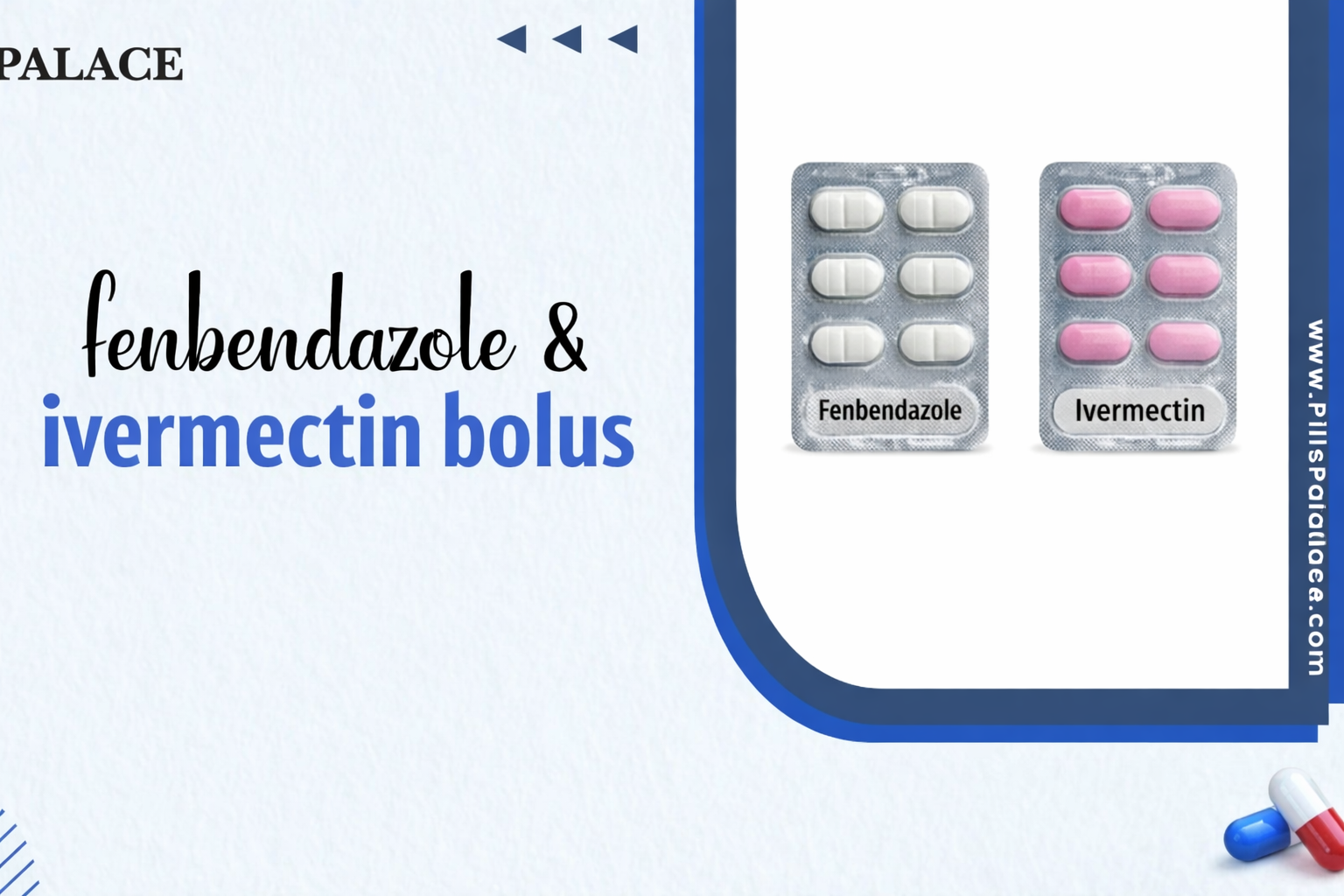
fenbendazole & ivermectin bolus
Fenbendazole & Ivermectin Bolus: A Comprehensive Guide
Parasites are a significant threat to the health and well-being of both humans and animals. Two medications that have been widely used to control parasites are fenbendazole and ivermectin bolus. In this article, we will delve into the world of these anthelmintic medications, exploring their uses, benefits, and potential side effects.
What is Fenbendazole?
Fenbendazole is a broad-spectrum anthelmintic medication that is used to treat a variety of parasitic infections in animals, including hookworms, roundworms, and tapeworms. It is commonly used in veterinary medicine to control parasites in livestock, such as cattle, sheep, and goats. Fenbendazole works by inhibiting the growth and reproduction of parasites, ultimately killing them.
What is Ivermectin Bolus?
Ivermectin bolus is a type of anthelmintic medication that is used to treat parasitic infections in animals, particularly in livestock. It is a broad-spectrum medication that is effective against a wide range of parasites, including nematodes, cestodes, and ectoparasites. Ivermectin bolus is administered orally, and it works by paralyzing and killing parasites.
Uses of Fenbendazole and Ivermectin Bolus
Both fenbendazole and ivermectin bolus are used to control parasites in livestock and humans. Some of the most common uses of these medications include:
- Treating parasitic infections, such as hookworms, roundworms, and tapeworms
- Controlling external parasites, such as lice and mites
- Preventing parasite-related diseases, such as anemia and weight loss
- Improving overall health and productivity of livestock
Benefits of Fenbendazole and Ivermectin Bolus
Both fenbendazole and ivermectin bolus have several benefits, including:
- Effective against a wide range of parasites
- Easy to administer
- Relatively safe and well-tolerated
- Cost-effective
- Can be used in a variety of livestock, including cattle, sheep, and goats
Potential Side Effects of Fenbendazole and Ivermectin Bolus
Like all medications, fenbendazole and ivermectin bolus can have potential side effects. Some of the most common side effects include:
- Gastrointestinal upset, such as diarrhea and vomiting
- Allergic reactions, such as hives and itching
- Neurological symptoms, such as dizziness and weakness
- Liver and kidney damage (rare)
Precautions and Warnings
When using fenbendazole and ivermectin bolus, it is essential to follow the recommended dosage and administration instructions carefully. Some precautions and warnings to keep in mind include:
- Pregnant or lactating animals should not be treated with fenbendazole or ivermectin bolus
- Animals with liver or kidney disease should use these medications with caution
- These medications should not be used in animals that are hypersensitive to them
- Humans should avoid handling these medications, as they can be toxic
Conclusion
Fenbendazole and ivermectin bolus are two effective anthelmintic medications that are widely used to control parasites in livestock and humans. While they have several benefits, including being easy to administer and relatively safe, they can also have potential side effects. It is essential to follow the recommended dosage and administration instructions carefully and to take precautions to avoid any adverse reactions. By understanding the uses, benefits, and potential side effects of fenbendazole and ivermectin bolus, you can make informed decisions about using these medications to protect the health and well-being of your animals.
FAQs
Here are some frequently asked questions about fenbendazole and ivermectin bolus:
- Q: What is the difference between fenbendazole and ivermectin bolus? A: Fenbendazole and ivermectin bolus are both anthelmintic medications, but they work in different ways and have different spectrums of activity.
- Q: Can humans use fenbendazole or ivermectin bolus? A: While these medications are primarily used in veterinary medicine, they can be used in humans in certain cases, such as to treat parasitic infections. However, this should only be done under the guidance of a healthcare professional.
- Q: Are fenbendazole and ivermectin bolus safe for pregnant or lactating animals? A: No, these medications should not be used in pregnant or lactating animals, as they can potentially harm the developing fetus or nursing young.
- Q: Can I use fenbendazole or ivermectin bolus in animals with liver or kidney disease? A: These medications should be used with caution in animals with liver or kidney disease, as they can potentially exacerbate these conditions.
References
Here are some references that provide more information about fenbendazole and ivermectin bolus:
- National Library of Medicine. (2022). Fenbendazole.
- National Library of Medicine. (2022). Ivermectin.
- World Health Organization. (2022). Anthelmintic medications.
- American Veterinary Medical Association. (2022). Parasite control in livestock.