
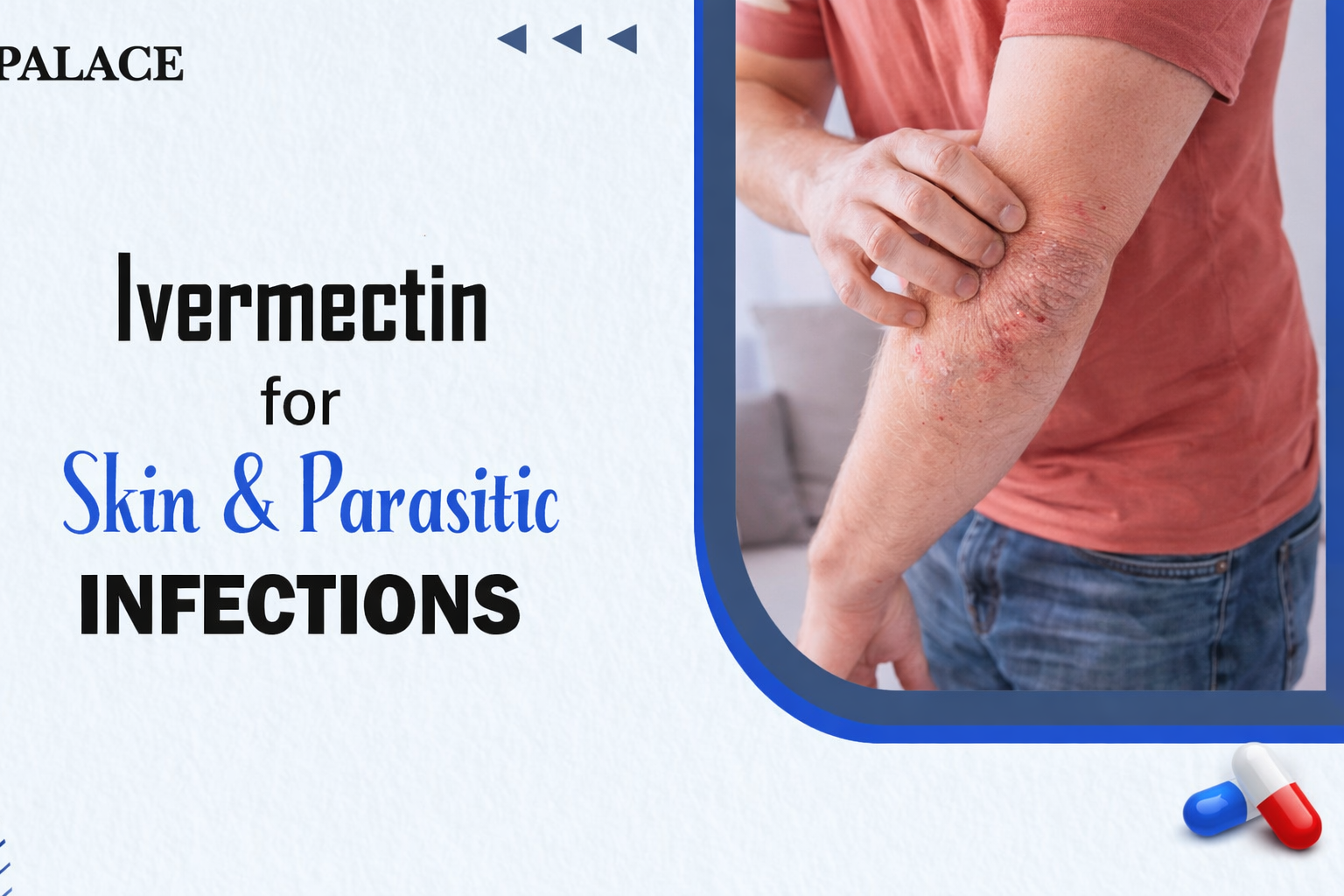
Ivermectin for Skin & Parasitic Infections
Ivermectin for Skin and Parasitic Infections: A Comprehensive Guide
Ivermectin is a medication that has been widely used for decades to treat various types of skin and parasitic infections. It is a powerful antiparasitic drug that is effective against a range of parasites, including worms, lice, and mites. In this article, we will explore the uses, benefits, and potential side effects of Ivermectin for skin and parasitic infections.
What is Ivermectin?
Ivermectin is a synthetic derivative of the naturally occurring compound avermectin, which is found in the bacteria Streptomyces avermitilis. It was first discovered in the 1970s and has since become a widely used medication for the treatment of various parasitic infections. Ivermectin works by binding to the parasite’s nervous system, causing paralysis and ultimately leading to the death of the parasite.
Uses of Ivermectin for Skin and Parasitic Infections
Ivermectin is used to treat a range of skin and parasitic infections, including:
- Scabies: a contagious skin infection caused by the mite Sarcoptes scabiei. Ivermectin is often used as a first-line treatment for scabies, particularly in cases where topical treatments have failed.
- Lice infestations: Ivermectin is effective against head lice, body lice, and pubic lice. It is often used in combination with other treatments, such as topical insecticides.
- Hookworm infections: Ivermectin is used to treat hookworm infections, which are caused by the parasite Ancylostoma duodenale.
- Roundworm infections: Ivermectin is effective against roundworms, including Ascaris lumbricoides and Toxocara cati.
- Onchocerciasis: Ivermectin is used to treat onchocerciasis, also known as river blindness, which is caused by the parasite Onchocerca volvulus.
How Ivermectin Works
Ivermectin works by binding to the parasite’s nervous system, causing paralysis and ultimately leading to the death of the parasite. It is thought to work by:
- Blocking the parasite’s glutamate-gated chloride channels: this prevents the parasite from functioning normally and ultimately leads to its death.
- Increasing the permeability of the parasite’s cell membrane: this allows the parasite to become dehydrated and ultimately die.
Effectiveness of Ivermectin
Ivermectin is highly effective against a range of skin and parasitic infections. Studies have shown that:
- Scabies: Ivermectin is effective in up to 90% of cases, with a single dose often being sufficient to cure the infection.
- Lice infestations: Ivermectin is effective in up to 80% of cases, with a single dose often being sufficient to cure the infection.
- Hookworm infections: Ivermectin is effective in up to 95% of cases, with a single dose often being sufficient to cure the infection.
Potential Side Effects of Ivermectin
While Ivermectin is generally well-tolerated, it can cause some side effects, including:
- Nausea and vomiting
- Dizziness and drowsiness
- Headache and fatigue
- Rash and itching
- Fever and chills
These side effects are usually mild and temporary, and they often resolve on their own within a few days. However, in rare cases, Ivermectin can cause more serious side effects, such as:
- Seizures and convulsions
- Allergic reactions
- Anaphylaxis
If you experience any of these side effects, you should seek medical attention immediately.
Precautions and Contraindications
Ivermectin is not suitable for everyone, and it should be used with caution in certain individuals, including:
- Pregnant and breastfeeding women: Ivermectin should only be used in pregnant and breastfeeding women if the benefits outweigh the risks.
- Children under 5 years old: Ivermectin should only be used in children under 5 years old if the benefits outweigh the risks.
- People with certain medical conditions: Ivermectin should be used with caution in people with certain medical conditions, such as liver or kidney disease.
Conclusion
Ivermectin is a highly effective medication for the treatment of skin and parasitic infections. It is widely used to treat a range of conditions, including scabies, lice infestations, and hookworm infections. While Ivermectin is generally well-tolerated, it can cause some side effects, and it should be used with caution in certain individuals. If you are considering using Ivermectin to treat a skin or parasitic infection, you should talk to your doctor or healthcare provider to discuss the potential benefits and risks.
FAQs
Here are some frequently asked questions about Ivermectin:
- Q: What is Ivermectin used for? A: Ivermectin is used to treat a range of skin and parasitic infections, including scabies, lice infestations, and hookworm infections.
- Q: How does Ivermectin work? A: Ivermectin works by binding to the parasite’s nervous system, causing paralysis and ultimately leading to the death of the parasite.
- Q: What are the potential side effects of Ivermectin? A: Ivermectin can cause some side effects, including nausea and vomiting, dizziness and drowsiness, headache and fatigue, rash and itching, and fever and chills.
- Q: Can Ivermectin be used in pregnant and breastfeeding women? A: Ivermectin should only be used in pregnant and breastfeeding women if the benefits outweigh the risks.