
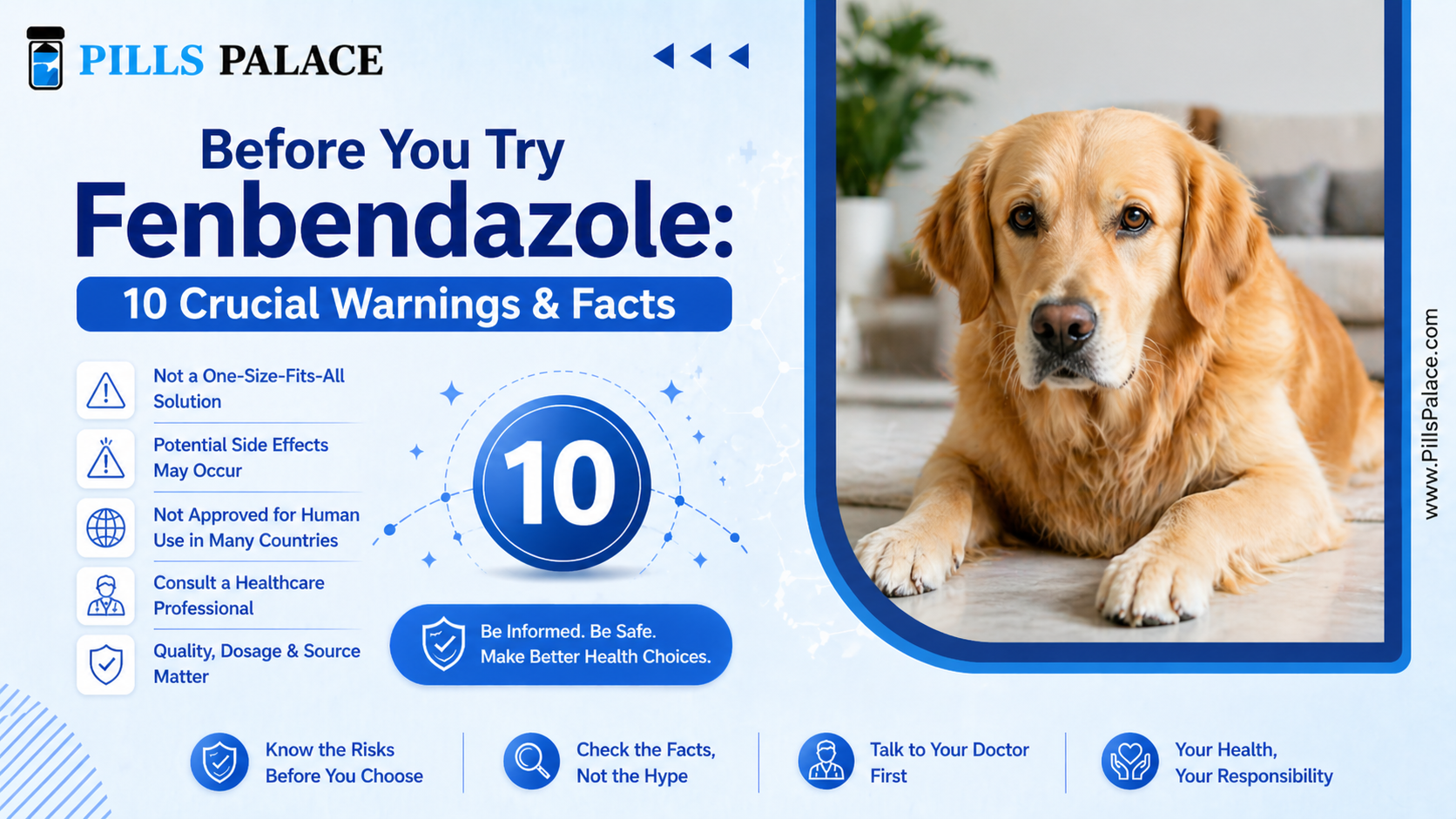
Before You Try Fenbendazole: 10 Crucial Warnings & Facts
Before You Try Fenbendazole: 10 Crucial Warnings & Facts
Fenbendazole, an antiparasitic medication primarily used in veterinary care, has gained significant attention in recent years for its potential off-label use in humans, particularly in the context of cancer treatment and as an anti-aging solution. While some proponents claim that fenbendazole can offer therapeutic benefits for a range of conditions, it’s essential for anyone considering this drug to be well-informed about the potential risks and current state of knowledge surrounding its use in humans. This article aims to provide an overview of the crucial warnings and facts one should consider before attempting to use fenbendazole.
1. Off-Label Use and Lack of Human Studies
The primary concern with using fenbendazole in humans is the lack of comprehensive studies demonstrating its safety and efficacy for off-label purposes. Most of the existing research pertains to its use in animals, where it is used to treat parasitic infections. While anecdotal reports and some small-scale studies may suggest potential benefits, these are not sufficient to justify widespread use without rigorous, large-scale human clinical trials.
2. Potential for Side Effects
Like any medication, fenbendazole can cause side effects. In animals, these are generally mild and may include vomiting, diarrhea, and lethargy. However, the side effect profile in humans could be different, particularly given the potential for off-target effects and drug interactions. Since fenbendazole is not approved for human use, there is limited data on what side effects might occur or how severe they could be.
3. Interaction with Other Medications
Given that fenbendazole is not typically prescribed for humans, there is a dearth of information regarding its interaction with medications commonly used in human healthcare. Potential interactions could lead to unforeseen and possibly severe consequences, making it critical for individuals to exercise caution, especially if they are already taking prescription medications.
4. Quality Control and Regulation
The quality and purity of fenbendazole products intended for human consumption can vary significantly, especially if they are sourced from unregulated suppliers. This variability poses a risk, as users cannot be certain of what they are ingesting. Regulatory bodies like the FDA have strict guidelines for drugs used in humans, but these do not apply to products marketed for veterinary use, which may then be diverted for human consumption.
5. Cancer Treatment Claims
Some of the interest in fenbendazole stems from reports and anecdotal evidence suggesting it may have anti-cancer properties. While there are theoretical mechanisms by which fenbendazole could inhibit cancer cell growth, these findings are largely based on in vitro studies and animal models. More research is needed to understand whether these effects translate to humans and to determine safe and effective dosing regimens.
6. Anti-Aging and Longevity Claims
Beyond cancer, fenbendazole has been touted for its potential to promote longevity and serve as an anti-aging agent. Some proponents suggest that by targeting senescent cells or improving cellular health, fenbendazole could contribute to a longer and healthier life. However, these claims are highly speculative and not supported by robust, peer-reviewed research in human subjects.
7. Dosage and Administration
For veterinary use, the dosage of fenbendazole is well-established, based on the animal’s weight and the type of parasitic infection being treated. For humans, however, there is no established dosage, and users must rely on unverified sources or guesswork, which could lead to underdosing (reducing potential benefits) or overdosing (increasing the risk of side effects).
8. Risk of Parasite Resistance
The use of antiparasitic drugs like fenbendazole in humans could potentially contribute to the development of drug-resistant parasites, a concern that is well-documented in the context of antibiotic overuse. This risk is particularly significant if fenbendazole is used inappropriately or for extended periods without medical supervision.
9. Lack of Long-Term Safety Data
One of the most significant gaps in knowledge about fenbendazole’s use in humans is the lack of long-term safety data. While short-term use might not reveal significant issues, prolonged administration could uncover unforeseen side effects or health consequences. This uncertainty makes it challenging for healthcare providers to offer informed guidance to patients considering fenbendazole.
10. Consultation with Healthcare Professionals
Given the uncertainties and potential risks associated with fenbendazole, it is crucial for anyone considering its use to consult with a healthcare professional. Doctors and pharmacists can provide personalized advice, considering the individual’s health status, other medications, and potential interactions. They can also help monitor for side effects and adjust treatment plans as needed.
In conclusion, while fenbendazole may offer potential benefits for certain conditions, its use in humans is fraught with uncertainty and risk. Individuals contemplating the use of fenbendazole must weigh these risks carefully, considering the lack of human studies, potential for side effects, and uncertain long-term consequences. As with any experimental or off-label treatment, proceeding with caution and under the guidance of a healthcare professional is paramount. Only through rigorous scientific research and open communication with the medical community can we hope to fully understand the potential of fenbendazole for human health and to minimize its risks.
For those interested in exploring unconventional therapies or supplements, prioritizing evidence-based information and consulting with healthcare providers is essential. The allure of potential benefits must be balanced against the need for safety, efficacy, and the ethical standards that govern medical practice. As our understanding of fenbendazole and its applications evolves, it will be critical to approach this and other similar substances with a nuanced perspective, recognizing both the promise they may hold and the precautions that must be taken to ensure their safe and effective use.
Final Considerations
As the landscape of healthcare and medical research continues to evolve, it’s essential for the public and healthcare professionals to stay informed about emerging trends and potential treatments. Fenbendazole, like other substances being explored for off-label use, represents a complex challenge—offering potential hope for certain conditions but also carrying risks that must be carefully managed. By fostering a dialogue between patients, healthcare providers, and researchers, we can work towards a future where all treatments, conventional or unconventional, are approached with a commitment to safety, efficacy, and the well-being of those they are intended to help.
Ultimately, the decision to use fenbendazole or any other medication off-label should be made with the guidance of a healthcare professional, taking into account the latest scientific evidence, individual health circumstances, and a thorough discussion of the potential benefits and risks. It is only through this informed and cautious approach that we can navigate the complexities of experimental treatments and work towards better health outcomes for all.