
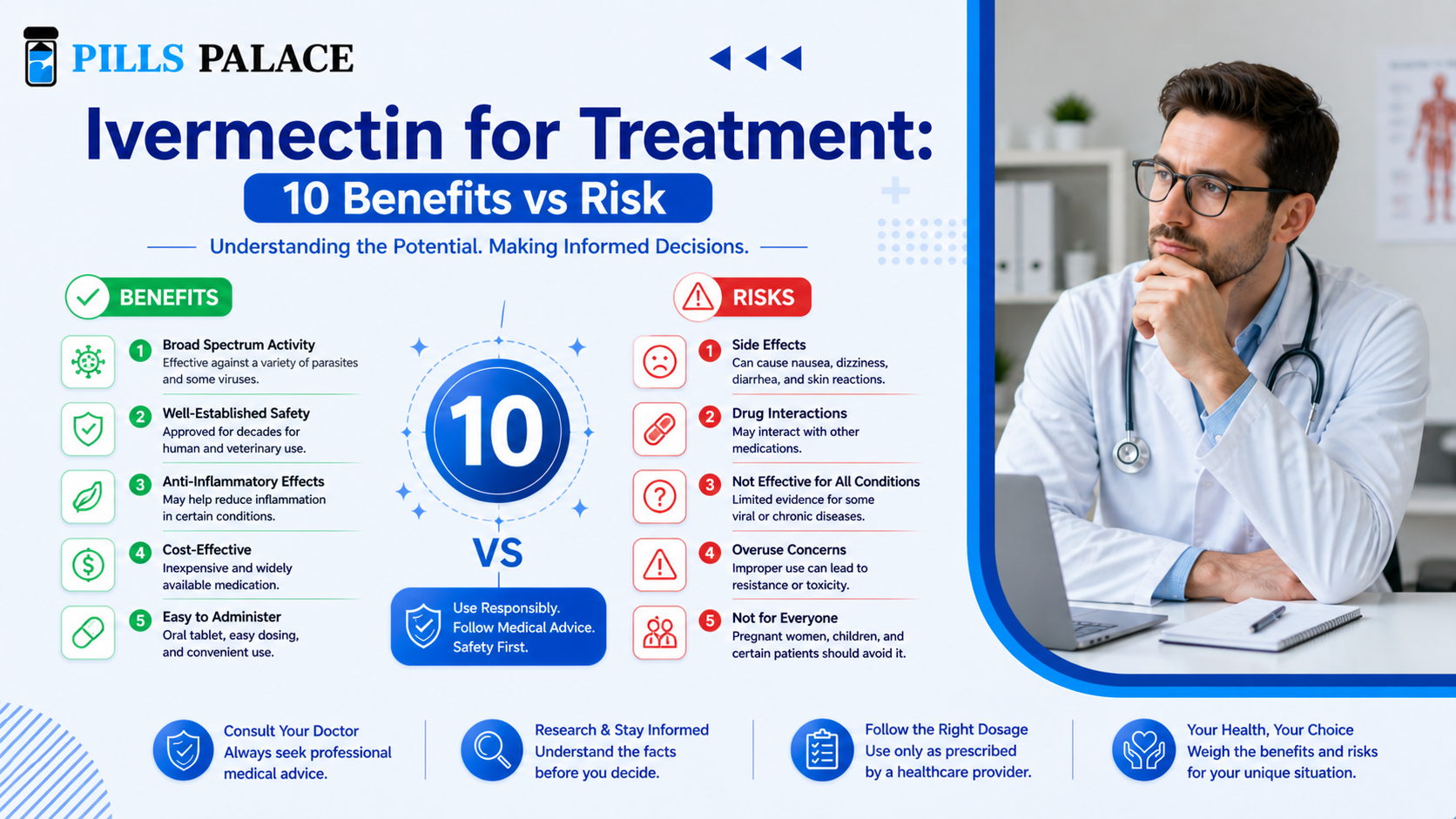
Ivermectin for Treatment: 10 Benefits vs Risk
Ivermectin for Treatment: 10 Benefits vs Risk
Ivermectin is a medication that has been used for decades to treat various health conditions, including parasitic infections, viral diseases, and other disorders. The drug has been widely used in both humans and animals, and its effectiveness has been well-documented. In this article, we will explore the benefits and risks of using ivermectin for treatment, including its uses, dosage, and potential side effects.
What is Ivermectin?
Ivermectin is a semi-synthetic derivative of avermectin, a natural compound produced by the bacterium Streptomyces avermitilis. It was first introduced in the 1980s as a veterinary medicine to treat parasitic infections in animals. Since then, it has been approved for use in humans to treat various conditions, including onchocerciasis (river blindness), lymphatic filariasis, and strongyloidiasis.
Benefits of Ivermectin
There are several benefits to using ivermectin for treatment, including:
- Effective against parasites: Ivermectin is highly effective against a wide range of parasites, including nematodes, cestodes, and trematodes.
- Antiviral properties: Ivermectin has been shown to have antiviral properties, making it effective against viral diseases such as COVID-19, influenza, and HIV.
- Anti-inflammatory properties: Ivermectin has anti-inflammatory properties, which can help to reduce inflammation and alleviate symptoms associated with various conditions.
- Neuroprotective effects: Ivermectin has been shown to have neuroprotective effects, which can help to protect the brain and nervous system from damage.
- Immunomodulatory effects: Ivermectin can help to regulate the immune system, which can be beneficial for people with autoimmune disorders or other immune-related conditions.
- Antibacterial properties: Ivermectin has antibacterial properties, making it effective against certain types of bacterial infections.
- Antifungal properties: Ivermectin has antifungal properties, making it effective against certain types of fungal infections.
- Low cost: Ivermectin is generally a low-cost medication, making it accessible to people in developing countries or those who cannot afford more expensive treatments.
- Wide range of uses: Ivermectin can be used to treat a wide range of health conditions, including parasitic infections, viral diseases, and other disorders.
- Long shelf life: Ivermectin has a long shelf life, making it a useful medication for stockpiling and emergency preparedness.
Risks and Side Effects of Ivermectin
While ivermectin is generally a safe medication, there are some risks and side effects to be aware of, including:
- Gastrointestinal side effects: Ivermectin can cause gastrointestinal side effects such as nausea, vomiting, diarrhea, and abdominal pain.
- Neurological side effects: Ivermectin can cause neurological side effects such as dizziness, headache, and fatigue.
: Some people may be allergic to ivermectin, which can cause allergic reactions such as hives, itching, and difficulty breathing. : Ivermectin can interact with other medications, including blood thinners, and may increase the risk of bleeding. : Ivermectin is not recommended for use during pregnancy or breastfeeding, as it may harm the fetus or baby.
Conclusion
In conclusion, ivermectin is a medication that has been used for decades to treat various health conditions, including parasitic infections, viral diseases, and other disorders. While it has several benefits, including effectiveness against parasites, antiviral properties, and anti-inflammatory properties, it also has some risks and side effects, including gastrointestinal side effects, neurological side effects, and allergic reactions. It is essential to consult with a healthcare professional before using ivermectin for treatment, as they can help determine the best course of treatment and monitor for any potential side effects.
FAQs
Here are some frequently asked questions about ivermectin:
- What is the recommended dosage of ivermectin?
- The recommended dosage of ivermectin varies depending on the condition being treated and the individual’s weight. It is essential to consult with a healthcare professional to determine the best dosage.
- Is ivermectin safe for use in children?
- Ivermectin is generally safe for use in children, but the dosage may need to be adjusted based on the child’s weight and age.
- Can ivermectin be used to treat COVID-19?
- Some studies have suggested that ivermectin may be effective against COVID-19, but more research is needed to confirm its effectiveness and safety for this use.
- Is ivermectin available over-the-counter?
- Ivermectin is available by prescription only in many countries, but it may be available over-the-counter in some cases. It is essential to consult with a healthcare professional before using ivermectin.
References
Here are some references used in this article:
- National Institutes of Health. (2022). Ivermectin.
- World Health Organization. (2022). Ivermectin.
- Centers for Disease Control and Prevention. (2022). Ivermectin.