
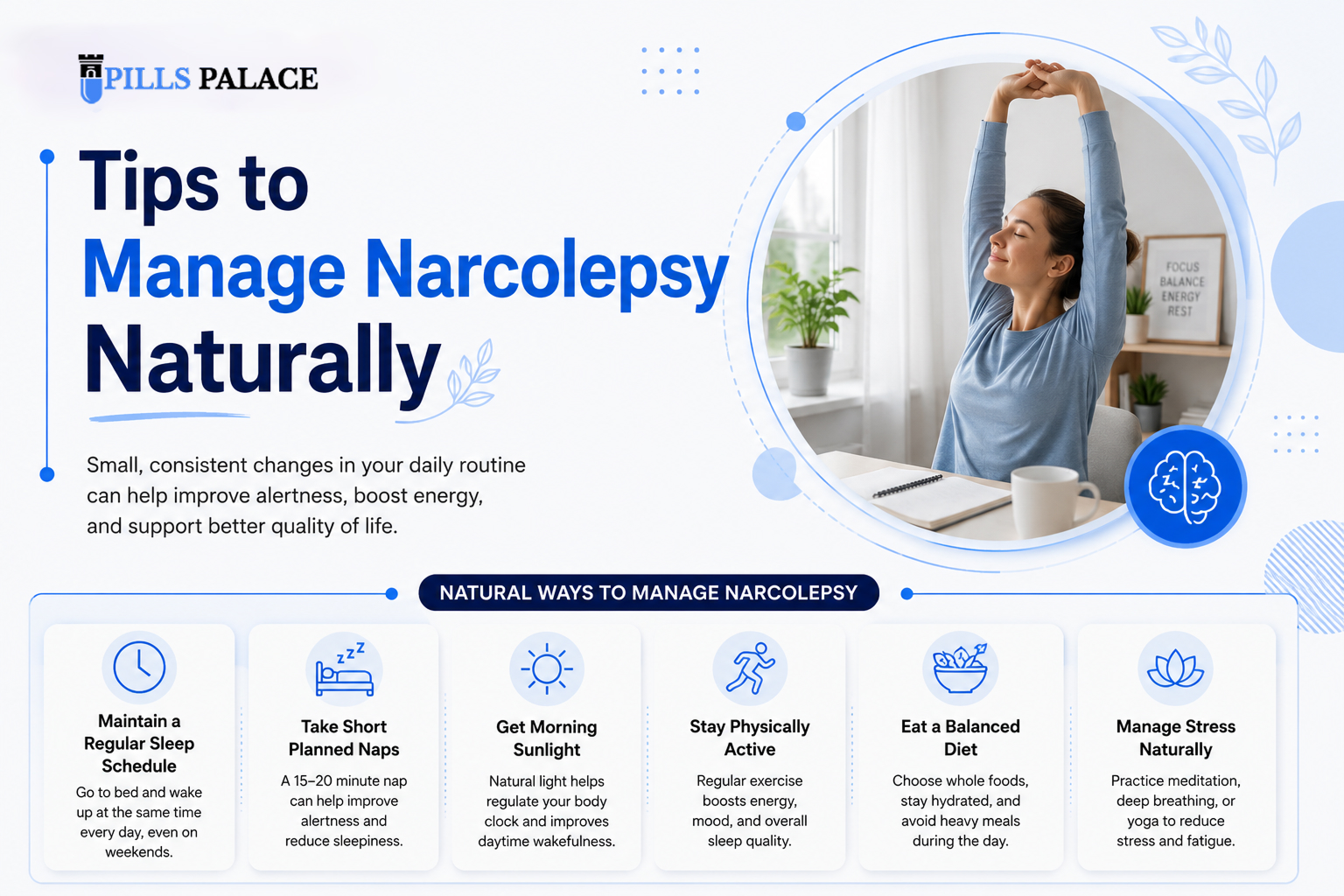
Tips to Manage Narcolepsy Naturally
Narcolepsy is a neurological disorder that affects the brain’s ability to regulate sleep-wake cycles. It is characterized by excessive daytime sleepiness, sleep paralysis, and cataplexy. While there is no cure for narcolepsy, there are several natural ways to manage its symptoms. In this article, we will discuss some of the most effective tips to manage narcolepsy naturally.
Understanding Narcolepsy
Narcolepsy is a chronic sleep disorder that affects approximately 1 in 2,000 people in the United States. It is caused by a deficiency of the neurotransmitter hypocretin, which regulates sleep-wake cycles. The symptoms of narcolepsy can be debilitating, affecting a person’s daily life, relationships, and work performance.
Symptoms of Narcolepsy
The symptoms of narcolepsy include:
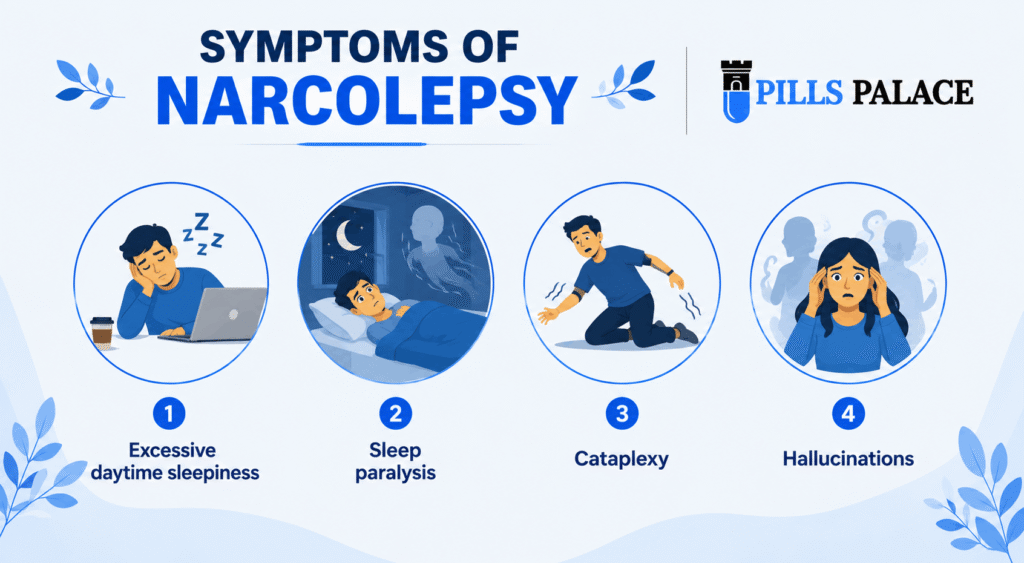
- Excessive daytime sleepiness: This is the most common symptom of narcolepsy, where a person feels extremely tired and sleepy during the day.
- Sleep paralysis: This is a temporary inability to move or speak when falling asleep or waking up.
- Cataplexy: This is a sudden loss of muscle tone, which can cause a person to collapse or lose control of their muscles.
- Hallucinations: Some people with narcolepsy may experience vivid hallucinations, which can be disturbing and disrupting.
Visit: What are narcolepsy symptoms in adults?
Natural Ways to Manage Narcolepsy
While there is no cure for narcolepsy, there are several natural ways to manage its symptoms. Here are some of the most effective tips:
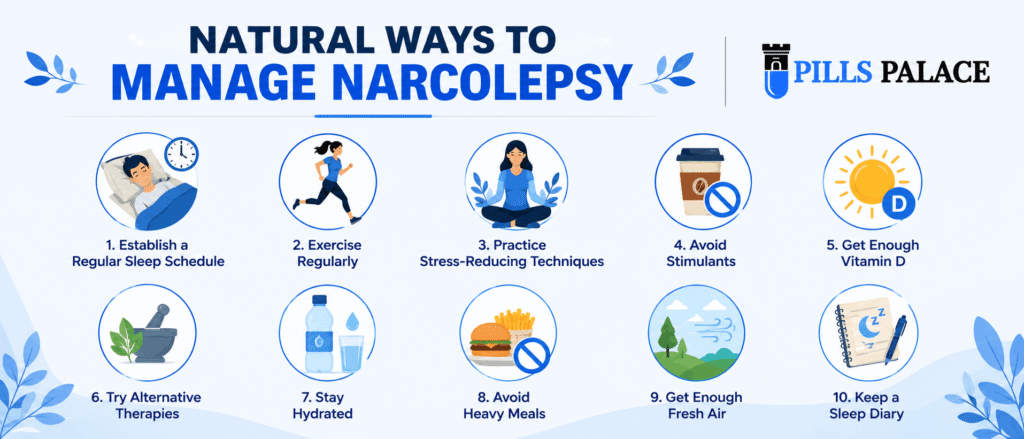
1. Establish a Regular Sleep Schedule
Establishing a regular sleep schedule can help regulate sleep-wake cycles and reduce the symptoms of narcolepsy. Go to bed and wake up at the same time every day, including weekends. Avoid napping during the day, as it can disrupt nighttime sleep.
2. Exercise Regularly
Exercise can help reduce the symptoms of narcolepsy by promoting wakefulness and improving overall health. Engage in regular physical activity, such as walking, jogging, or yoga, but avoid vigorous exercise within a few hours of bedtime.
3. Practice Stress-Reducing Techniques
Stress can exacerbate the symptoms of narcolepsy. Practice stress-reducing techniques, such as meditation, deep breathing, or progressive muscle relaxation, to help manage stress and promote relaxation.
4. Avoid Stimulants
Stimulants, such as caffeine and nicotine, can disrupt sleep-wake cycles and worsen the symptoms of narcolepsy. Avoid consuming stimulants, especially in the afternoon and evening.
5. Get Enough Vitamin D
Vitamin D deficiency has been linked to narcolepsy. Ensure you get enough vitamin D through sun exposure, supplements, or fortified foods.
6. Try Alternative Therapies
Alternative therapies, such as acupuncture, massage, and cognitive behavioral therapy, may help manage the symptoms of narcolepsy. These therapies can promote relaxation, reduce stress, and improve overall well-being.
7. Stay Hydrated
Dehydration can exacerbate the symptoms of narcolepsy. Drink plenty of water throughout the day to stay hydrated and promote alertness.
8. Avoid Heavy Meals
Heavy meals can cause drowsiness and worsen the symptoms of narcolepsy. Eat light, balanced meals, and avoid eating heavy meals close to bedtime.
9. Get Enough Fresh Air
Fresh air can help promote wakefulness and reduce the symptoms of narcolepsy. Take regular breaks to get outside and take a short walk.
10. Keep a Sleep Diary
Keeping a sleep diary can help you track your sleep patterns, identify triggers, and monitor the effectiveness of your treatment plan. Write down your sleep schedule, symptoms, and any factors that may be affecting your sleep.
See More: Narcolepsy and Mental Health Connection
Natural Supplements for Narcolepsy
While there is limited research on the effectiveness of natural supplements for narcolepsy, some supplements may help alleviate symptoms. Here are some of the most commonly used supplements:
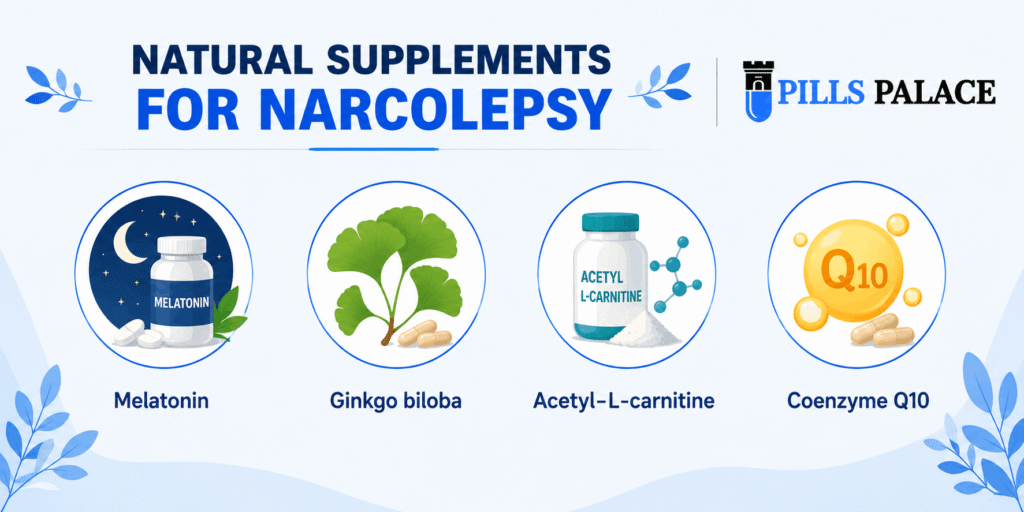
- Melatonin: Melatonin is a hormone that regulates sleep-wake cycles. Taking a melatonin supplement may help improve sleep quality and reduce symptoms of narcolepsy.
- Ginkgo biloba: Ginkgo biloba is an herbal supplement that may help improve alertness and reduce fatigue.
- Acetyl-L-carnitine: Acetyl-L-carnitine is an amino acid that may help improve alertness and reduce fatigue.
- Coenzyme Q10: Coenzyme Q10 is an antioxidant that may help improve energy levels and reduce fatigue.
Click More: How Narcolepsy Affects Daily Life
Conclusion
Narcolepsy is a chronic sleep disorder that can be debilitating and disrupt daily life. While there is no cure for narcolepsy, there are several natural ways to manage its symptoms. By establishing a regular sleep schedule, exercising regularly, practicing stress-reducing techniques, and avoiding stimulants, you can help alleviate the symptoms of narcolepsy. Additionally, natural supplements, such as melatonin and ginkgo biloba, may help improve sleep quality and reduce fatigue. Remember to consult with your healthcare provider before starting any new supplements or therapies. With the right management plan, you can take control of your narcolepsy and improve your overall quality of life. for trusted health information and wellness resource, Visit Pillspalace.