
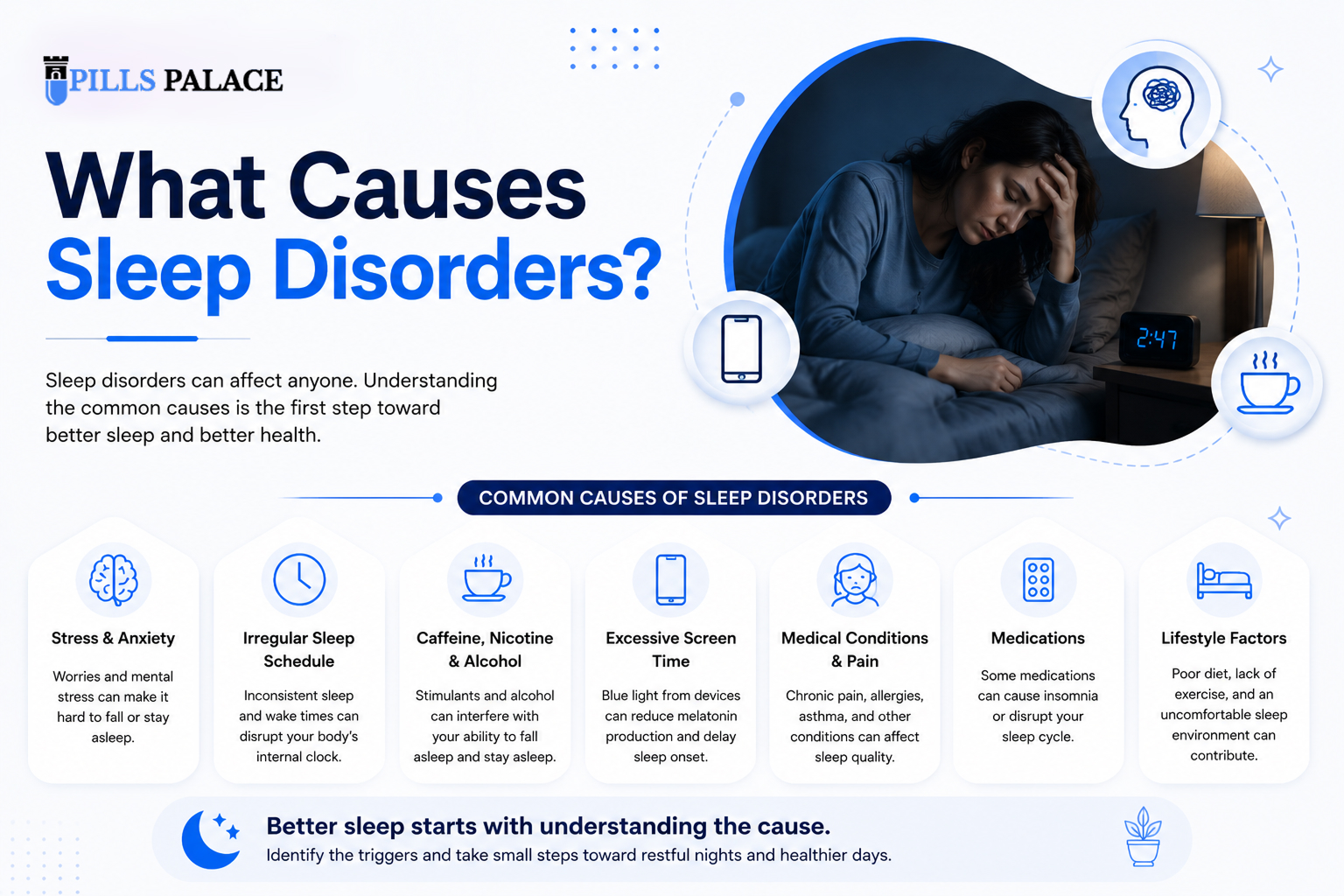
What Causes Sleep Disorders?
Sleep disorders are a group of conditions that affect the quality and duration of sleep, leading to daytime fatigue, decreased productivity, and a range of other health problems. According to the American Academy of Sleep Medicine, approximately 30% of the general population experiences sleep disruptions, with 10% experiencing chronic sleep disorders.
Types of Sleep Disorders
There are several types of sleep disorders, each with its own set of causes and symptoms. Some of the most common sleep disorders include:
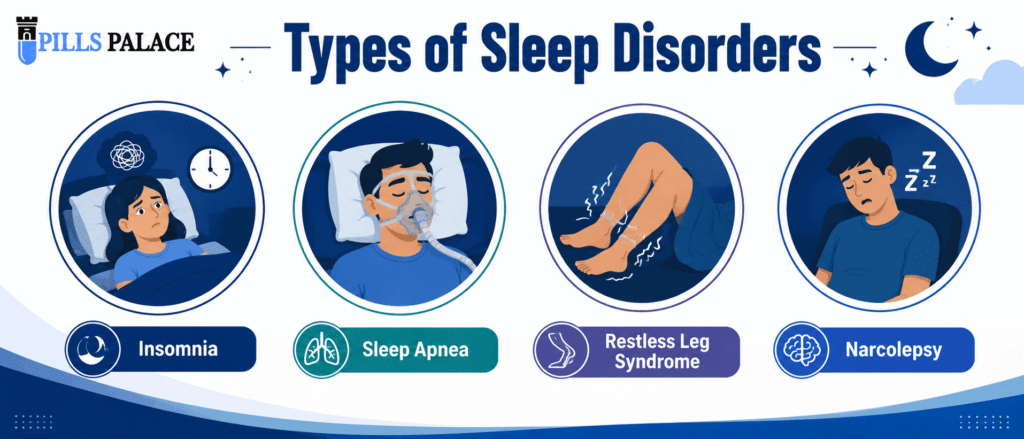
- Insomnia: characterized by difficulty falling asleep, staying asleep, or getting quality sleep. Insomnia can be caused by stress, anxiety, depression, and certain medications.
- Sleep Apnea: a condition in which breathing stops and starts repeatedly during sleep. Sleep apnea can be caused by obesity, smoking, and certain medical conditions, such as high blood pressure and diabetes.
- Restless Leg Syndrome: a condition characterized by uncomfortable sensations in the legs, such as itching, tingling, and burning. Restless leg syndrome can be caused by iron deficiency, diabetes, and certain medications.
- Narcolepsy: a condition characterized by excessive daytime sleepiness and sudden attacks of sleep. Narcolepsy can be caused by genetics, brain injuries, and certain medical conditions, such as multiple sclerosis.
Causes of Sleep Disorders
Sleep disorders can be caused by a range of factors, including:
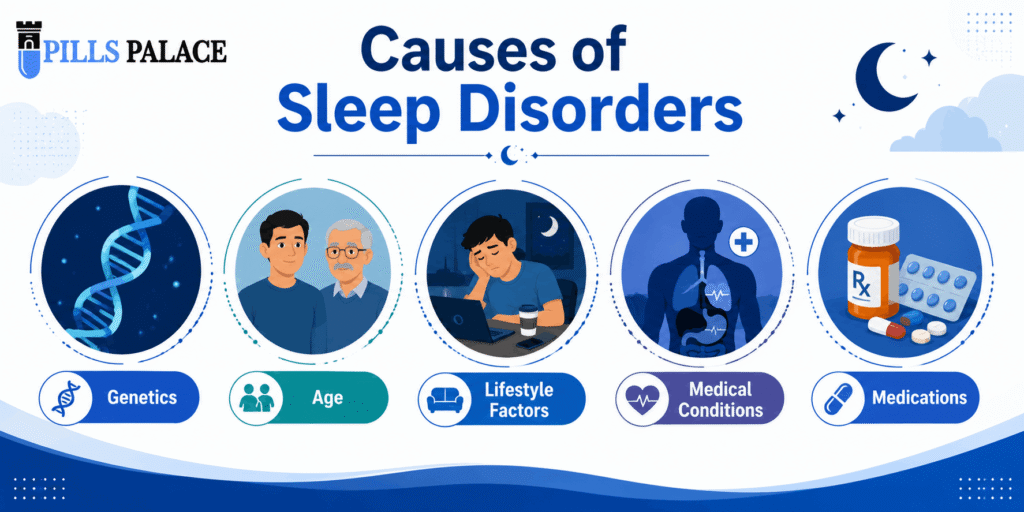
- Genetics: some sleep disorders, such as narcolepsy, can be inherited from family members.
- Age: sleep disorders can become more common with age, with older adults experiencing more sleep disruptions than younger adults.
- Lifestyle Factors: lifestyle factors, such as irregular sleep schedules, consuming caffeine and alcohol before bedtime, and lack of physical activity, can contribute to sleep disorders.
- Medical Conditions: certain medical conditions, such as chronic pain, asthma, and gastroesophageal reflux disease (GERD), can disrupt sleep and lead to sleep disorders.
- Medications: certain medications, such as sedatives and stimulants, can interfere with sleep and contribute to sleep disorders.
Symptoms of Sleep Disorders
The symptoms of sleep disorders can vary depending on the specific condition, but common symptoms include:
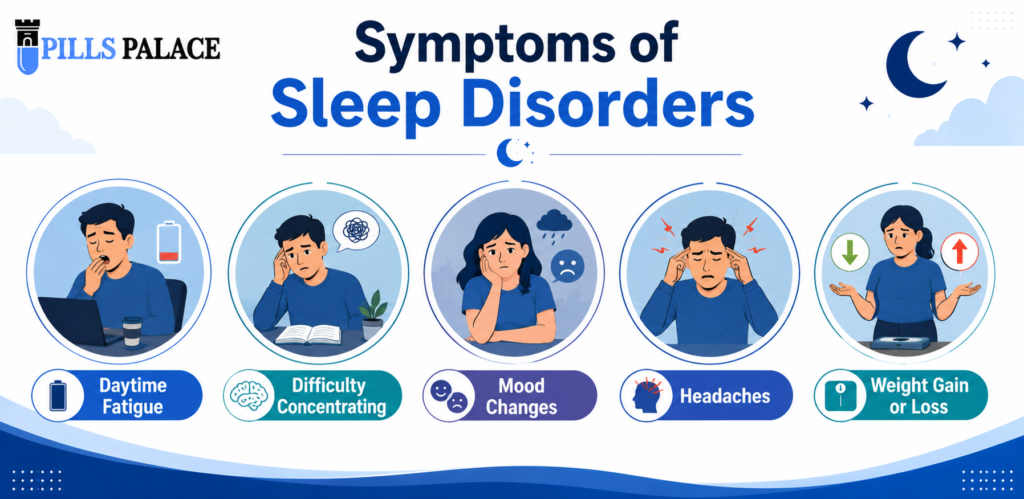
- Daytime Fatigue: feeling tired and sluggish during the day, even after getting a full night’s sleep.
- Difficulty Concentrating: having trouble paying attention and focusing on tasks.
- Mood Changes: experiencing mood swings, irritability, and anxiety.
- Headaches: experiencing frequent headaches, often in the morning.
- Weight Gain or Loss: experiencing changes in appetite and metabolism, leading to weight gain or loss.
Diagnosing Sleep Disorders
Diagnosing sleep disorders typically involves a combination of the following:
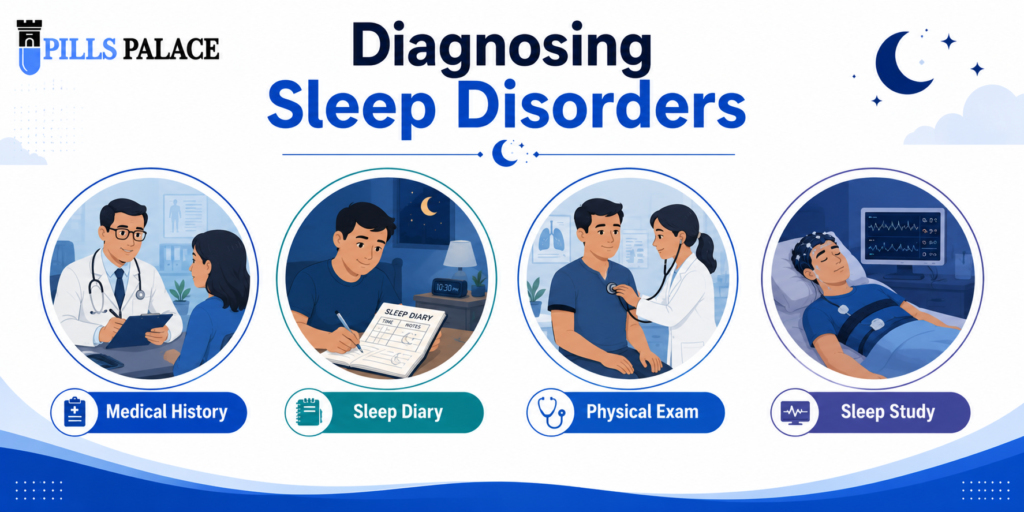
- Medical History: a thorough review of the patient’s medical history, including any underlying medical conditions or medications that may be contributing to sleep disruptions.
- Sleep Diary: keeping a sleep diary to track sleep patterns, including the time of day, duration of sleep, and any disruptions or difficulties falling asleep.
- Physical Exam: a physical exam to rule out any underlying medical conditions that may be contributing to sleep disruptions.
- Sleep Study: an overnight sleep study, also known as a polysomnogram, to monitor brain waves, muscle activity, and other physiological activities during sleep.
Treating Sleep Disorders
Treating sleep disorders typically involves a combination of lifestyle changes, behavioral therapies, and medications. Some common treatments for sleep disorders include:
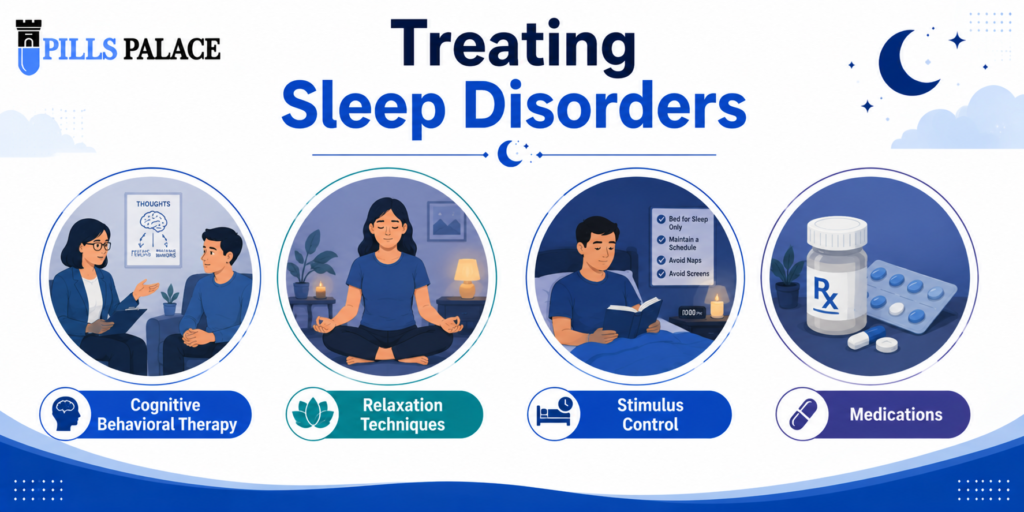
- Cognitive Behavioral Therapy: a type of therapy that helps patients identify and change negative thought patterns and behaviors that contribute to sleep disruptions.
- Relaxation Techniques: techniques such as deep breathing, progressive muscle relaxation, and mindfulness meditation to help patients relax and reduce stress.
- Stimulus Control: techniques such as establishing a consistent sleep schedule, creating a sleep-conducive environment, and avoiding stimulating activities before bedtime.
- Medications: medications such as sedatives, hypnotics, and antidepressants to help patients fall asleep and stay asleep.
Preventing Sleep Disorders
Preventing sleep disorders involves adopting healthy sleep habits and lifestyles, including:
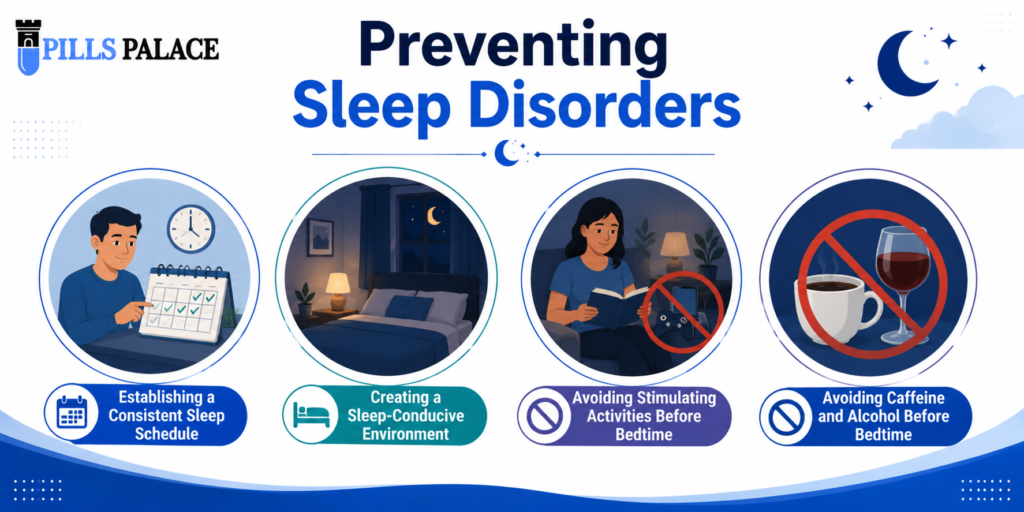
- Establishing a Consistent Sleep Schedule: going to bed and waking up at the same time every day, including weekends.
- Creating a Sleep-Conducive Environment: creating a dark, quiet, and cool sleep environment, free from distractions and electronic devices.
- Avoiding Stimulating Activities Before Bedtime: avoiding stimulating activities such as exercise, watching TV, and using electronic devices before bedtime.
- Avoiding Caffeine and Alcohol Before Bedtime: avoiding consuming caffeine and alcohol before bedtime, as they can disrupt sleep patterns.
Conclusion
Sleep disorders are a common and treatable condition that can have a significant impact on overall health and wellbeing. By understanding the causes and symptoms of sleep disorders, individuals can take steps to prevent and treat these conditions, leading to improved sleep quality, increased energy, and enhanced overall health. If you are experiencing sleep disruptions or difficulties sleeping, consult with a healthcare professional for proper diagnosis and Treatment. For trused health information and Access to Quality Medication, Pillspalace can be a Reliable Resource to Support Your Eellness Journey.