
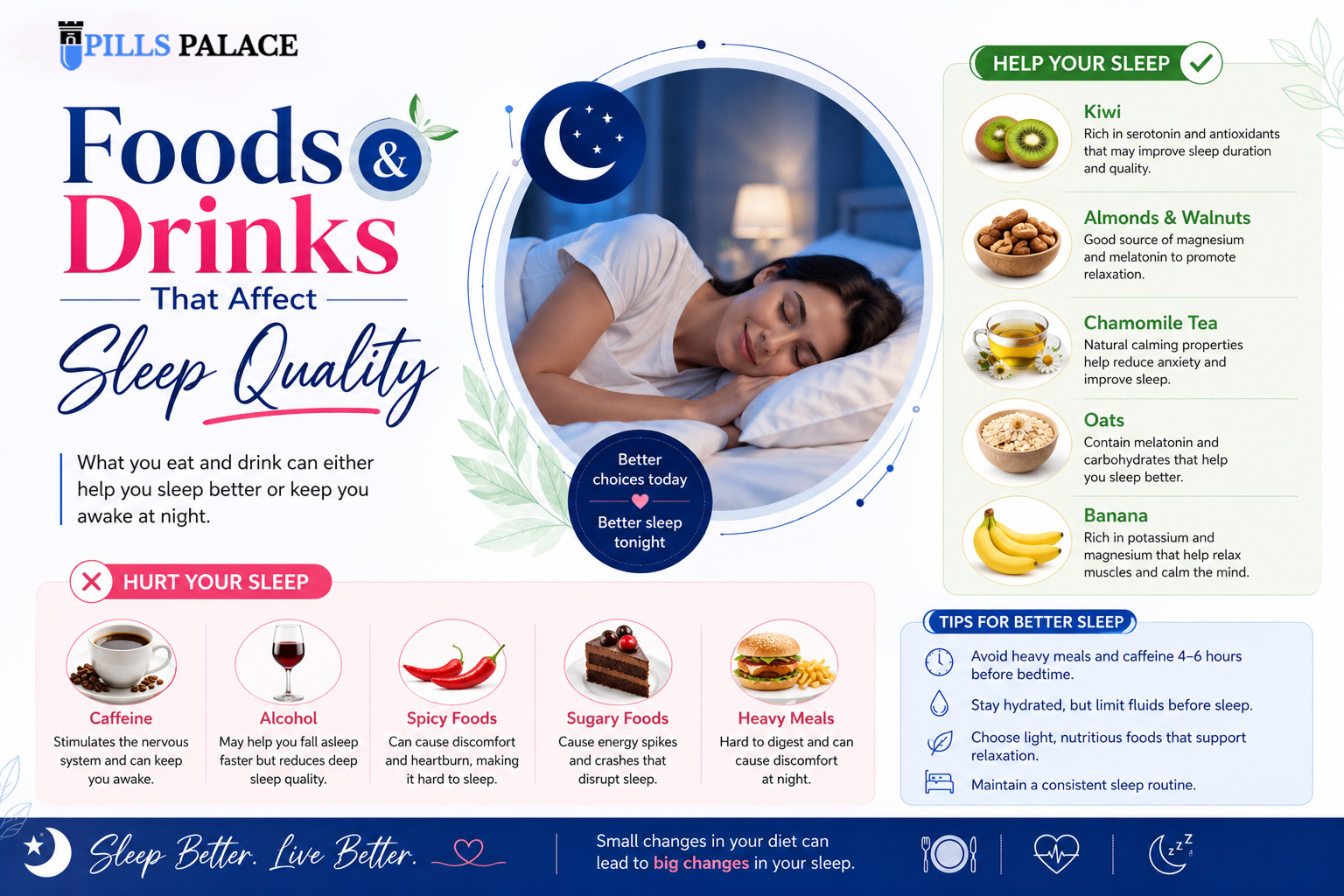
Foods and Drinks That Affect Sleep Quality
Are you having trouble sleeping at night? Do you find yourself tossing and turning, unable to get a good night’s rest? While there are many factors that can affect sleep quality, one often overlooked aspect is the food and drinks we consume. In this article, we’ll explore the foods and drinks that can impact sleep quality, and provide tips on what to eat and avoid for a restful night’s sleep.
Introduction to Sleep Quality
Sleep is a vital aspect of our overall health and wellbeing. During sleep, our bodies repair and regenerate tissues, build bone and muscle, and strengthen our immune systems. Good sleep quality is essential for physical and mental health, and can affect our mood, cognitive function, and overall quality of life. However, with increasingly busy lifestyles and constant exposure to screens, many of us are not getting the sleep we need.
Foods That Promote Sleep Quality
Certain foods can promote sleep quality by providing the necessary nutrients and minerals that help regulate sleep. Some of the best foods for sleep include:
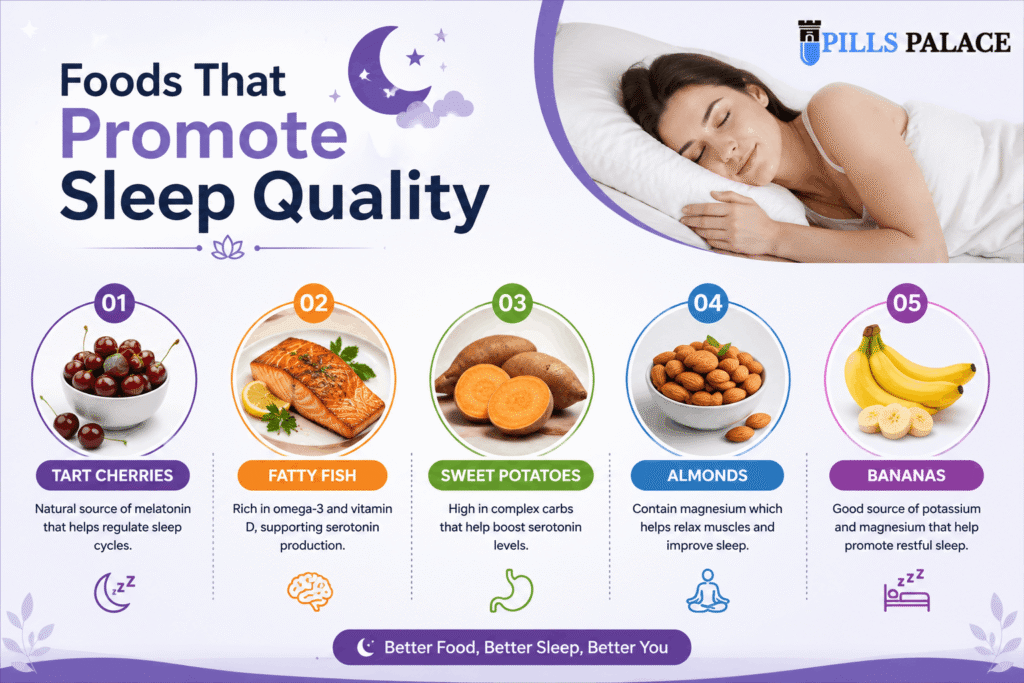
- Tart Cherries: Tart cherries are a natural source of melatonin, a hormone that regulates sleep-wake cycles. Drinking tart cherry juice or eating dried tart cherries before bed can help improve sleep quality.
- Fatty Fish: Fatty fish such as salmon and tuna are rich in vitamin B6 and magnesium, which can help promote relaxation and improve sleep quality.
- Sweet Potatoes: Sweet potatoes are a rich source of complex carbohydrates, which can help increase serotonin levels and promote relaxation.
- Almonds: Almonds are a good source of magnesium, a mineral that can help regulate sleep and relaxation.
- Bananas: Bananas are a rich source of potassium, an essential mineral that can help relax muscles and promote sleep.
Foods That Disrupt Sleep Quality
On the other hand, some foods can disrupt sleep quality by providing a stimulating or disruptive effect on the body. Some of the worst foods for sleep include:
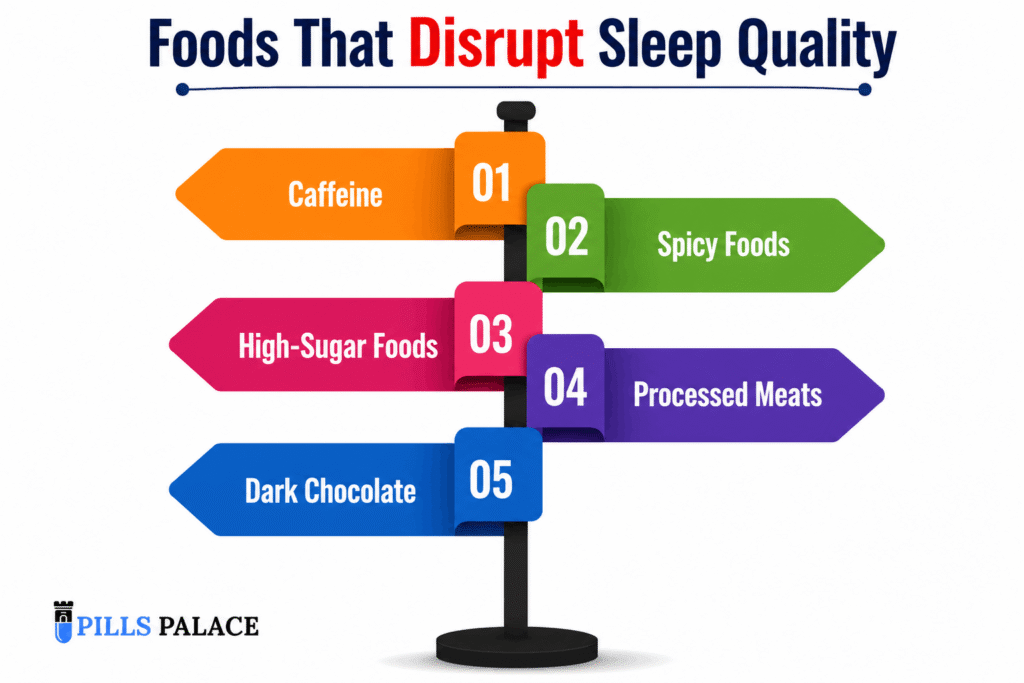
- Caffeine: Caffeine is a stimulant that can interfere with sleep quality by increasing alertness and energy. Avoid consuming caffeine in the hours leading up to bedtime.
- Spicy Foods: Spicy foods can cause heartburn and discomfort, making it difficult to fall asleep.
- High-Sugar Foods: High-sugar foods can cause a spike in blood sugar followed by a crash, leading to energy crashes and insomnia.
- Processed Meats: Processed meats such as hot dogs and sausages can be high in tyramine, an amino acid that can interfere with sleep quality.
- Dark Chocolate: While dark chocolate contains some sleep-promoting compounds, it also contains caffeine and theobromine, which can interfere with sleep quality.
Drinks That Promote Sleep Quality
Certain drinks can also promote sleep quality by providing a calming and relaxing effect on the body. Some of the best drinks for sleep include:
- Herbal Tea: Herbal teas such as chamomile, lavender, and valerian root can promote relaxation and improve sleep quality.
- Warm Milk: Warm milk contains tryptophan, an amino acid that can help increase serotonin levels and promote relaxation.
- Tart Cherry Juice: As mentioned earlier, tart cherry juice is a natural source of melatonin and can help regulate sleep-wake cycles.
Drinks That Disrupt Sleep Quality
On the other hand, some drinks can disrupt sleep quality by providing a stimulating or disruptive effect on the body. Some of the worst drinks for sleep include:
- Coffee: Coffee is a stimulant that can interfere with sleep quality by increasing alertness and energy.
- Energy Drinks: Energy drinks can contain high levels of caffeine, sugar, and other stimulants that can disrupt sleep quality.
- Soda: Soda can contain caffeine, sugar, and other ingredients that can disrupt sleep quality and lead to energy crashes.
- Alcohol: While alcohol may help you fall asleep faster, it can disrupt sleep quality and reduce the amount of deep sleep you get.
Tips for Improving Sleep Quality
In addition to avoiding stimulating foods and drinks, there are several other tips that can help improve sleep quality. Some of these tips include:
- Stick to a Bedtime Routine: Sticking to a consistent bedtime routine can help regulate your sleep-wake cycles and improve sleep quality.
- Create a Sleep-Conducive Environment: Creating a sleep-conducive environment can help improve sleep quality by reducing noise, light, and temperature.
- Avoid Screens Before Bed: Avoiding screens such as smartphones, tablets, and laptops before bed can help reduce exposure to blue light and improve sleep quality.
- Get Regular Exercise: Getting regular exercise can help improve sleep quality by reducing stress and anxiety.
Conclusion
In conclusion, the foods and drinks we consume can have a significant impact on sleep quality. By incorporating sleep-promoting foods and drinks into our diets, and avoiding stimulating foods and drinks, we can improve our sleep quality and overall health and wellbeing. Remember to stick to a bedtime routine, create a sleep-conducive environment, avoid screens before bed, and get regular exercise to further improve sleep quality. With these tips and a little practice, you can start sleeping better and waking up feeling refreshed and revitalized. Pillspalace also provides helpful health information to support your wellness journey.