
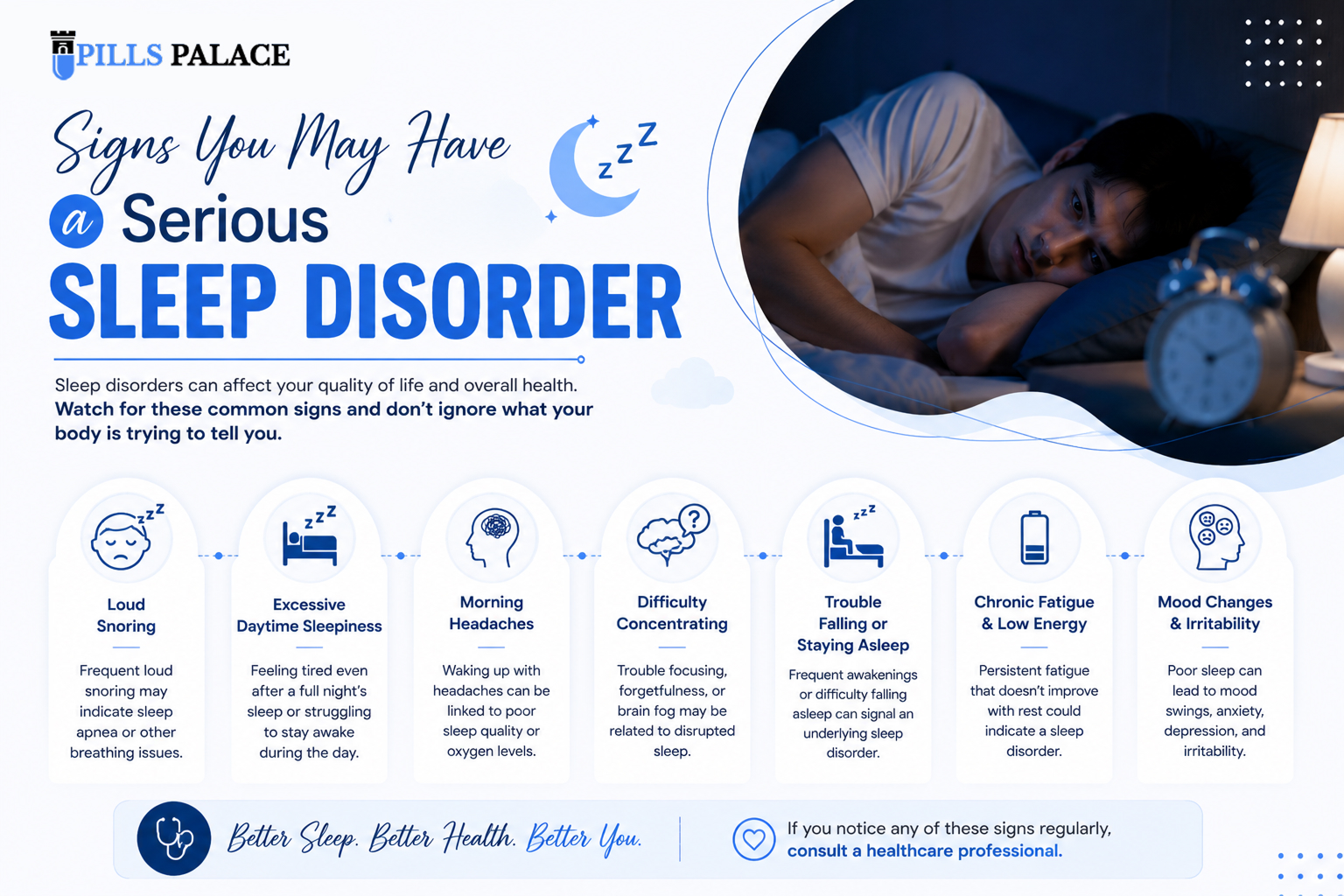
Signs You May Have a Serious Sleep Disorder
Sleep is a fundamental aspect of our lives, and it plays a critical role in maintaining our physical and mental health. During sleep, our body repairs and regenerates tissues, builds bone and muscle, and strengthens our immune system. However, many of us struggle with sleep disorders that can significantly impact our quality of life. According to the American Academy of Sleep Medicine, approximately 30% of the general population experiences sleep disruptions, and 10% of adults have a chronic sleep disorder. In this blog, we’ll explore the signs and symptoms of serious sleep disorders, the importance of seeking medical attention, and the various treatment options available.
What are Sleep Disorders?
Sleep disorders, also known as somnipathies, are a group of conditions that affect the quality, duration, and timing of sleep. These disorders can be caused by a variety of factors, including genetics, lifestyle, environment, and underlying medical conditions. Sleep disorders can be classified into several categories, including:
- Insomnia: difficulty falling asleep, staying asleep, or experiencing non-restorative sleep
- Sleep Apnea: pauses in breathing during sleep, which can lead to daytime fatigue, high blood pressure, and cardiovascular disease
- Restless Leg Syndrome: an uncontrollable urge to move the legs, usually due to uncomfortable sensations
- Narcolepsy: Excessive daytime sleepiness, sudden sleep attacks, and cataplexy (muscle weakness)
- Circadian Rhythm Disorders: irregular sleep-wake cycles, which can be caused by shift work, travel, or genetic predisposition
Read More: Can Sleep Disorders Be Cured Naturally?
Signs and Symptoms of Serious Sleep Disorders
If you’re experiencing any of the following signs and symptoms, it may be indicative of a serious sleep disorder:
- Excessive daytime sleepiness: difficulty staying awake during the day, despite getting enough sleep at night
- Difficulty falling asleep or staying asleep: trouble initiating or maintaining sleep, or waking up frequently during the night
- Snoring or pauses in breathing during sleep: loud snoring, gasping, or choking sounds during sleep, which can be a sign of sleep apnea
- Unusual sleep positions or behaviors: sleeping in unusual positions, such as sleeping on your stomach or with your legs elevated, or engaging in abnormal behaviors, like sleepwalking or talking during sleep
- Morning headaches or fatigue: waking up with headaches, fatigue, or grogginess, which can be a sign of sleep apnea or other sleep disorders
- Difficulty concentrating or memory problems: trouble focusing, memory lapses, or difficulty learning new information, which can be caused by sleep deprivation or sleep disorders
- Mood changes or irritability: feeling anxious, depressed, or irritable, which can be a sign of a sleep disorder or other underlying condition
See More: What Causes Sleep Disorders?
The Importance of Seeking Medical Attention
If you’re experiencing any of the above signs and symptoms, it’s essential to seek medical attention. Sleep disorders can have significant consequences on our physical and mental health, including:
- Cardiovascular disease: sleep apnea and other sleep disorders can increase the risk of heart disease, high blood pressure, and stroke
- Diabetes and metabolic disorders: sleep deprivation can disrupt glucose metabolism and increase the risk of developing insulin resistance and type 2 diabetes
- Mental health problems: sleep disorders can contribute to the development of depression, anxiety, and other mental health conditions
- Accidents and injuries: excessive daytime sleepiness can increase the risk of accidents, injuries, and fatalities, particularly while driving or operating heavy machinery
Check More: The most serious sleep disorders and their treatment
Treatment Options for Sleep Disorders
Fortunately, there are various treatment options available for sleep disorders, including:
- Lifestyle changes: establishing a consistent sleep schedule, creating a sleep-conducive environment, and avoiding stimulating activities before bedtime
- Behavioral therapies: cognitive-behavioral therapy for insomnia (CBT-I), sleep restriction, and stimulus control
- Medications: prescription medications, such as sedatives, hypnotics, and stimulants, which can help regulate sleep and wakefulness
- Devices and equipment: continuous positive airway pressure (CPAP) machines, oral appliances, and other devices that can help manage sleep apnea and other sleep disorders
- Alternative therapies: acupuncture, yoga, and mindfulness-based stress reduction, which can help promote relaxation and improve sleep quality
Learn More: How can a professional gamer get rid of a sleep disorder?
Conclusion
Sleep disorders are common and can have significant consequences on our physical and mental health. If you’re experiencing any of the signs and symptoms mentioned in this blog, it’s essential to seek medical attention. By working with a healthcare professional, you can develop a personalized treatment plan that addresses your specific needs and helps you achieve better sleep quality. Pillspalace believes that better sleep starts with the right information and support. Remember, sleep is a critical aspect of our overall health, and seeking help is the first step towards a healthier, happier life.
So, don’t ignore these warning signals. Take the first step towards better sleep and a healthier life. Consult with a healthcare professional today and start your journey towards a restful and rejuvenating sleep.
FAQs
- Q: What are the most common sleep disorders? A: The most common sleep disorders include insomnia, sleep apnea, restless leg syndrome, narcolepsy, and circadian rhythm disorders.
- Q: How can I improve my sleep quality? A: Establish a consistent sleep schedule, create a sleep-conducive environment, avoid stimulating activities before bedtime, and try relaxation techniques, such as deep breathing or meditation.
- Q: What are the consequences of sleep deprivation? A: Sleep deprivation can lead to cardiovascular disease, diabetes, mental health problems, accidents, and injuries.