
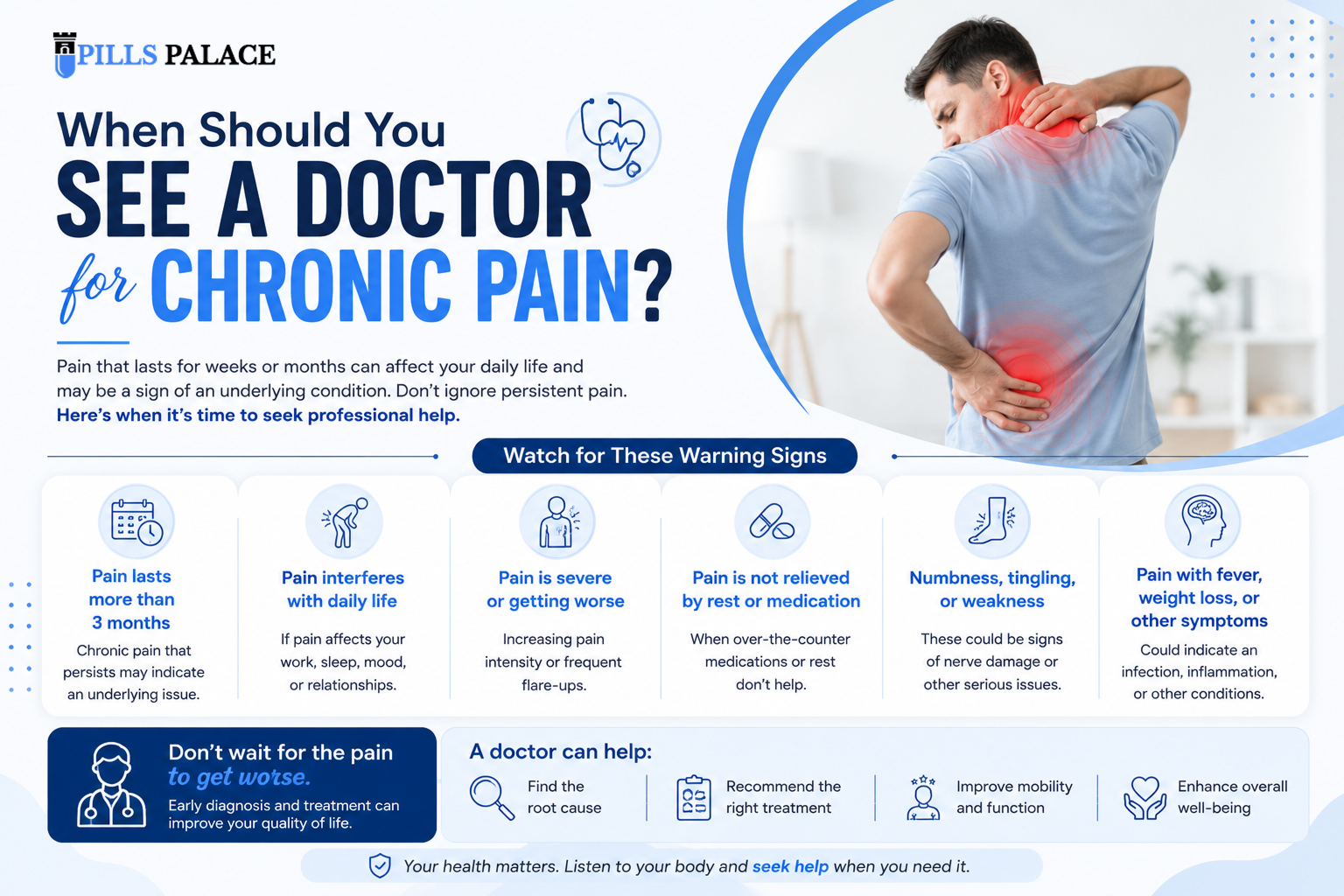
When Should You See a Doctor for Chronic Pain?
Chronic pain is a pervasive and debilitating condition that affects millions of people worldwide. It can be caused by a variety of factors, including injury, illness, or disease, and can significantly impact a person’s quality of life. While some people may be able to manage their chronic pain with self-care and over-the-counter medications, others may require the help of a doctor to find relief. But when should you see a doctor for chronic pain?
Understanding Chronic Pain
Chronic pain is defined as pain that lasts for more than 12 weeks. It can be caused by a variety of factors, including:
- Injury or trauma
- Illness or disease, such as arthritis or fibromyalgia
- Surgery or medical procedures
- Neurological conditions, such as multiple sclerosis or peripheral neuropathy
- Cancer or its treatment
Chronic pain can manifest in different ways, including:
- Back pain
- Headaches
- Joint pain
- Muscle pain
- Nerve pain
When to Seek Medical Attention
While some people may be able to manage their chronic pain on their own, there are certain situations in which it is essential to seek medical attention. You should see a doctor for chronic pain if:
- Your pain is severe and interferes with your daily activities
- Your pain is accompanied by other symptoms, such as fever, chills, or weight loss
- Your pain is worsening over time
- You have tried self-care and over-the-counter medications without relief
- You have a history of substance abuse or addiction
Read More: Difference Between Acute and Chronic Pain
What to Expect from a Doctor’s Visit
During a doctor’s visit for chronic pain, you can expect the following:
- A thorough medical history, including questions about your pain, medical conditions, and medications
- A physical examination, including a review of your vital signs and a physical assessment of the affected area
- Diagnostic tests, such as X-rays, CT scans, or MRIs, to rule out underlying conditions
- A discussion of your treatment options, including medications, therapies, and lifestyle changes
Treatment Options for Chronic Pain
Treatment for chronic pain depends on the underlying cause and the individual’s overall health. Common treatment options include:
- Medications, such as pain relievers, antidepressants, or anticonvulsants
- Therapies, such as physical therapy, occupational therapy, or cognitive-behavioral therapy
- Lifestyle changes, such as exercise, diet, or stress management
- Alternative therapies, such as acupuncture, massage, or chiropractic care
Read More: How Can You Relieve Body Pain The Fastest?
Benefits of Seeking Medical Attention for Chronic Pain
Seeking medical attention for chronic pain can have numerous benefits, including:
- Improved pain management
- Enhanced quality of life
- Increased mobility and function
- Better mental health and well-being
- Reduced risk of complications and comorbidities
Conclusion
Chronic pain is a complex and debilitating condition that requires a comprehensive approach to management. While some people may be able to manage their chronic pain on their own, others may require the help of a doctor to find relief. If you are experiencing chronic pain, it is essential to seek medical attention if your pain is severe, worsening, or accompanied by other symptoms. A doctor can help you develop a personalized treatment plan to manage your symptoms and improve your quality of life. Pillspalace encourages patients to seek professional medical advice for proper diagnosis and treatment.
FAQs
Here are some frequently asked questions about chronic pain and seeking medical attention:
What is the Difference Between acute and chronic pain?
Acute pain is short-term pain that lasts for less than 12 weeks, while chronic pain is long-term pain that lasts for more than 12 weeks.
Can Chronic Pain be Cured?
While chronic pain may not be curable, it can be managed with the right treatment and lifestyle changes.
What are the Risks of Not Seeking Medical Attention for chronic Pain?
Not seeking medical attention for chronic pain can lead to increased pain, disability, and mental health problems, as well as a reduced quality of life.