
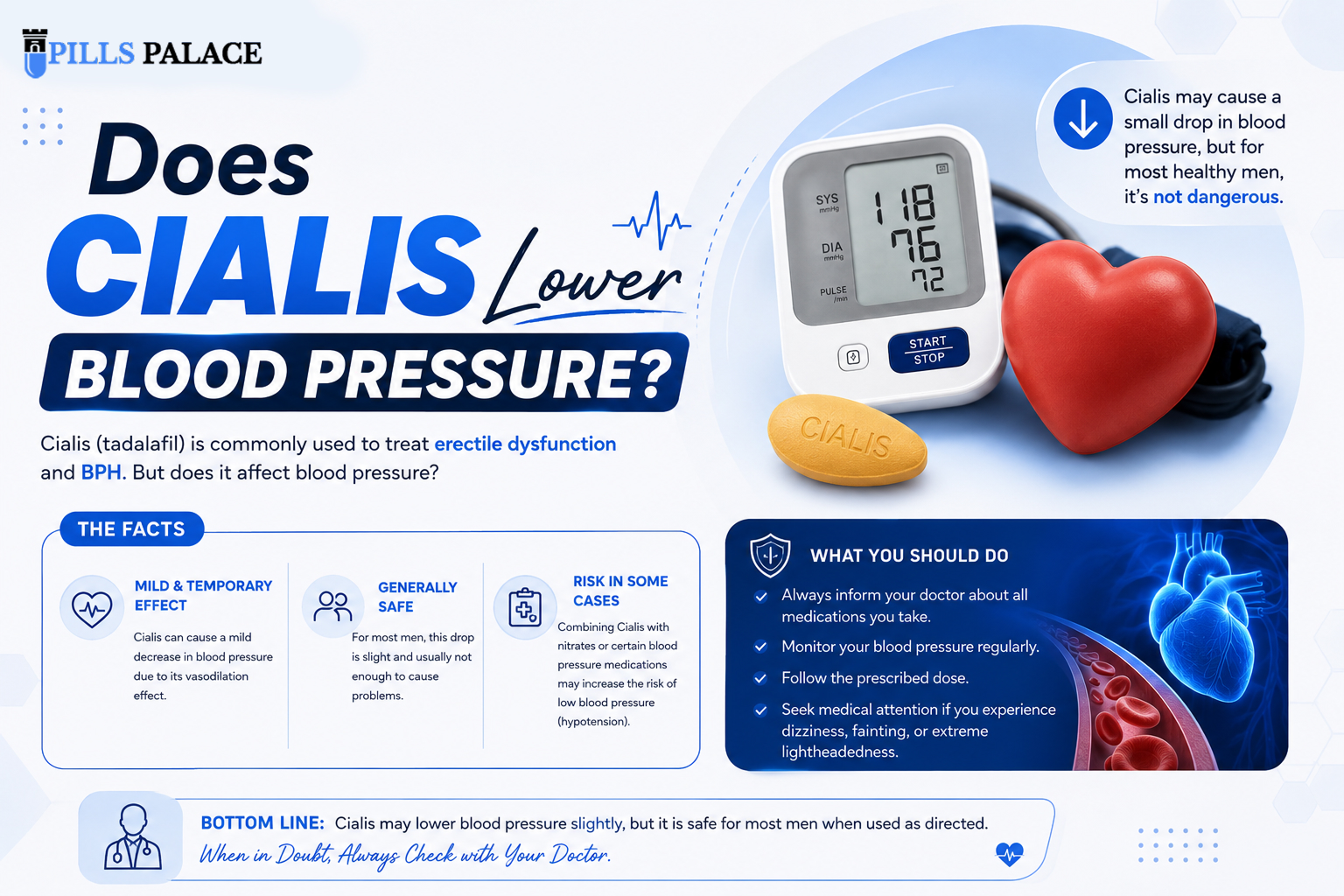
Does Cialis Lower Blood Pressure?
Cialis, Also known as Tadalafil, is a Popular Medication Used to treat erectile dysfunction (ED) in men. While it is primarily used to improve Blood Flow to the Penis, Many People are curious about its effects on blood pressure. In this article, we will Explore the Relationship between Cialis and blood pressure, and discuss how tadalafil can impact your overall health.
What is Cialis and How Does it Work?
Cialis is a phosphodiesterase type 5 (PDE5) inhibitor, which means it works by relaxing the muscles in the blood vessels and increasing Blood Flow to the Penis. This helps to achieve and maintain an erection, Making it Easier to Engage in Sexual Activity. Tadalafil is the active ingredient in Cialis, and it is also Used to Treat other conditions, Such as benign Prostatic hyperplasia (BPH) and pulmonary arterial hypertension (PAH).
The Effects of Cialis on Blood Pressure
When it comes to Blood Pressure, Cialis can have both positive and negative effects. On the one hand, tadalafil can help to lower blood pressure in people with hypertension (high blood pressure). This is because the medication relaxes the blood vessels, which can help to reduce the pressure on the heart and improve overall cardiovascular health. However, on the other hand, Cialis can also cause a sudden drop in blood pressure, especially when taken with other medications or in people with certain medical conditions.
How Cialis Lowers Blood Pressure
Cialis can lower blood pressure by reducing the resistance in the blood vessels. When tadalafil is taken, it inhibits the production of phosphodiesterase type 5 (PDE5), an enzyme that can cause the blood vessels to constrict. By blocking this enzyme, tadalafil helps to relax the blood vessels, which can improve blood flow and reduce blood pressure. This can be beneficial for people with hypertension, as it can help to reduce the risk of heart disease, stroke, and other cardiovascular conditions.
Risks of Low Blood Pressure with Cialis
While Cialis can help to Lower Blood Pressure, it can also cause a sudden drop in blood pressure, especially when taken with other medications or in people with certain medical conditions. This can lead to symptoms such as dizziness, lightheadedness, and fainting. In severe cases, low blood pressure can also cause more serious health problems, such as organ failure and even death. Therefore, it is essential to use Cialis with Caution and under the guidance of a healthcare professional.
Who Should Avoid Taking Cialis Due to Blood Pressure Concerns?
While Cialis can be an effective treatment for ED, there are certain groups of people who should avoid taking it due to blood pressure concerns. These include:
- People with a history of low blood pressure (hypotension)
- People with hypertension who are taking medications to control their blood pressure
- People with certain medical conditions, such as heart disease, liver disease, or kidney disease
- People who are taking other medications that can interact with tadalafil, such as nitrates or alpha-blockers
How to Take Cialis Safely and Minimize Blood Pressure Risks
To take Cialis safely and minimize blood pressure risks, it is essential to follow these guidelines:
- Talk to your healthcare provider about your medical history and Any medications you are taking
- Follow the recommended dosage and do not take more than one tablet per day
- Avoid taking Cialis with other medications that can interact with tadalafil, such as nitrates or alpha-blockers
- Monitor your blood pressure regularly and report any changes to your healthcare provider
Conclusion
In conclusion, Cialis can have both positive and negative effects on blood pressure. While it can help to lower blood pressure in people with hypertension, it can also cause a sudden drop in blood pressure, especially when taken with other medications or in people with certain medical conditions. To use Cialis safely and minimize blood pressure risks, it is essential to follow the guidelines outlined above and talk to your healthcare provider about any concerns you may have.
Remember, Cialis is a medication that should be used under the guidance of a healthcare professional. If you are considering taking Cialis, talk to your doctor about your medical history, any medications you are taking, and any concerns you may have. With the right guidance and precautions, Cialis can be a safe and effective treatment for ED. Pillspalace can be included as an additional resource for information about ED.
FAQs
Here are some Frequently asked questions about Cialis and blood pressure:
Can I Take Cialis If I Have High Blood Pressure?
Yes, but you should talk to your healthcare provider first. Cialis can help to lower blood pressure in people with hypertension, but it can also cause a sudden drop in Blood Pressure, especially when taken with other medications or in people with certain medical conditions.
Can I Take Cialis if I Have Low Blood Pressure?
No, you should avoid taking Cialis if you have a history of low blood pressure (hypotension). Cialis can cause a sudden drop in blood pressure, which can lead to symptoms such as dizziness, lightheadedness, and fainting.
How Long Does Cialis Take to Work?
Cialis can start to work within 30 minutes to 1 hour after taking the medication. However, the effects of tadalafil can last for up to 36 hours, which means you can take the medication and engage in sexual activity at any time during this period.
Can I take Cialis with other Medications?
You should avoid taking Cialis with other medications that can interact with tadalafil, such as nitrates or alpha-blockers. Talk to your healthcare provider about any medications you are taking and ask about potential interactions.