
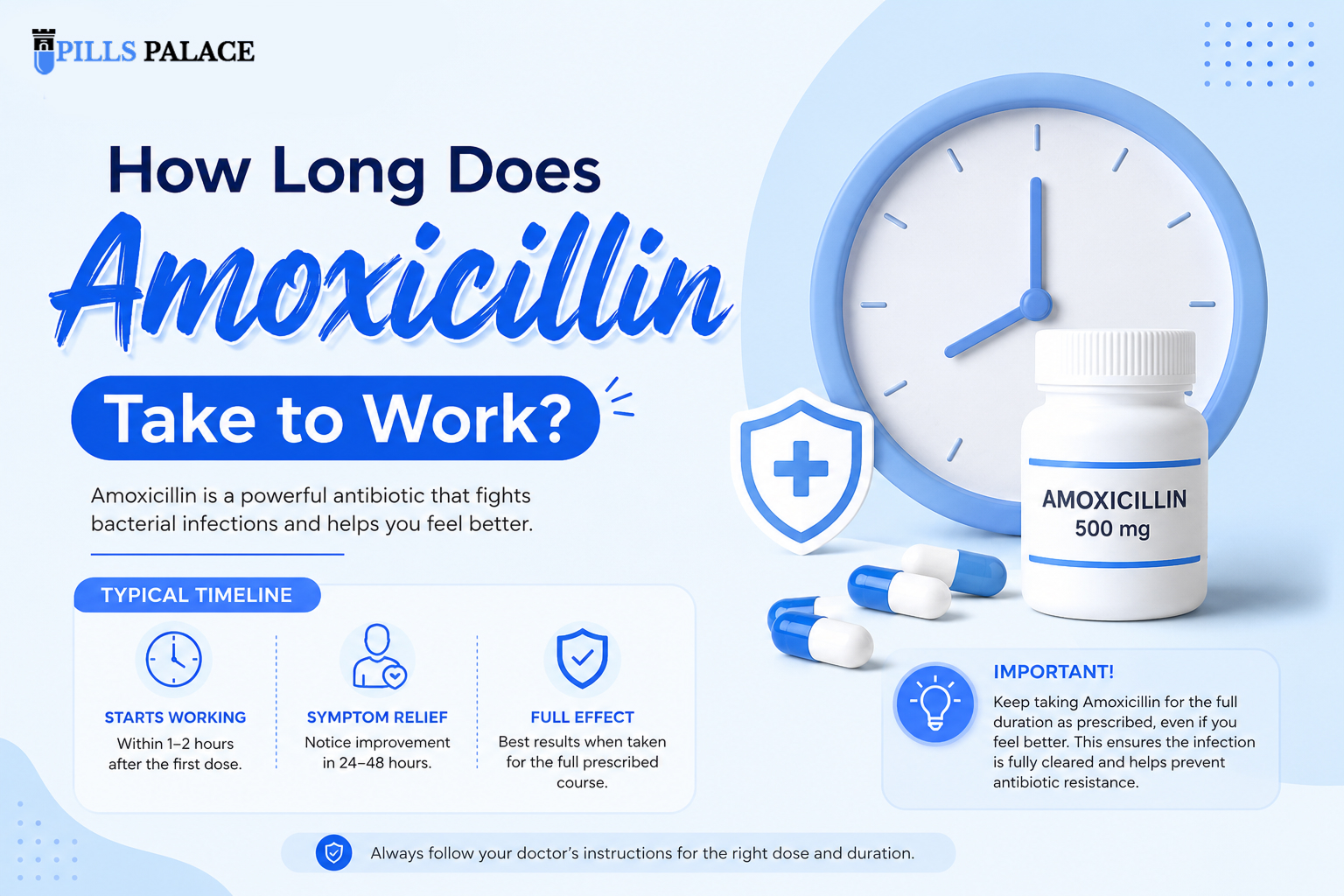
How Long Does Amoxicillin Take to Work?
How Long Does Amoxicillin Take to Work?
Amoxicillin is a commonly prescribed antibiotic used to treat a wide range of bacterial infections, including pneumonia, sinusitis, and urinary tract infections. But how long does it take for amoxicillin to start working, and what factors can influence its effectiveness? In this article, we’ll explore the answers to these questions and provide you with a comprehensive guide to taking amoxicillin for optimal results.
What is Amoxicillin?
Amoxicillin is a type of penicillin antibiotic that works by killing bacteria or preventing them from multiplying. It’s a broad-spectrum antibiotic, meaning it can treat a variety of infections caused by different types of bacteria. Amoxicillin is available in various forms, including capsules, tablets, and liquid suspensions, and can be taken orally or intravenously.
How Long Does Amoxicillin Take to Work?
The time it takes for amoxicillin to start working can vary depending on several factors, including the type and severity of the infection, the dosage, and the individual’s overall health. In general, amoxicillin can start working within a few hours of taking the first dose, but it may take several days to a week or more to fully eliminate the infection.
Here’s a general outline of what you can expect:
- 24-48 hours: Amoxicillin can start to reduce the severity of symptoms, such as fever, pain, and swelling, within the first 24-48 hours of treatment.
- 3-5 days: The full effects of amoxicillin can be seen within 3-5 days of treatment, with noticeable improvements in symptoms and a reduction in the severity of the infection.
- 7-10 days: In most cases, amoxicillin can fully eliminate the infection within 7-10 days of treatment, but it’s essential to complete the full course of antibiotics as prescribed by your doctor to ensure the infection is completely cleared.
Factors that Can Influence the Effectiveness of Amoxicillin
Several factors can influence the effectiveness of amoxicillin, including:
- Dosage: Taking the correct dosage of amoxicillin is crucial for its effectiveness. Taking too little may not adequately treat the infection, while taking too much can increase the risk of side effects.
- Type of infection: The type of infection being treated can affect the effectiveness of amoxicillin. Some infections, such as those caused by resistant bacteria, may require alternative antibiotics or combination therapy.
- Individual’s overall health: Certain health conditions, such as kidney or liver disease, can affect the way amoxicillin is metabolized and eliminated from the body, which can impact its effectiveness.
- Age and weight: Amoxicillin dosages may need to be adjusted based on age and weight, particularly in children and older adults.
Common Infections Treated with Amoxicillin
Amoxicillin is commonly used to treat a wide range of bacterial infections, including:
- Pneumonia: Amoxicillin can be used to treat pneumonia caused by bacteria such as Streptococcus pneumoniae.
- Sinusitis: Amoxicillin can be used to treat sinus infections caused by bacteria such as Haemophilus influenzae and Streptococcus pneumoniae.
- Urinary tract infections (UTIs): Amoxicillin can be used to treat UTIs caused by bacteria such as Escherichia coli and Klebsiella pneumoniae.
- Skin and soft tissue infections: Amoxicillin can be used to treat skin and soft tissue infections caused by bacteria such as Staphylococcus aureus and Streptococcus pyogenes.
How to Take Amoxicillin for Optimal Results
To get the most out of amoxicillin, it’s essential to take it correctly and complete the full course of treatment. Here are some tips:
- Take the correct dosage: Take the dosage prescribed by your doctor, and make sure to take it at the same time each day.
- Complete the full course of treatment: Don’t stop taking amoxicillin even if you start to feel better, as this can lead to the development of antibiotic-resistant bacteria.
- Take it with food: Taking amoxicillin with food can help reduce stomach upset and improve absorption.
- Stay hydrated: Drink plenty of water to help the antibiotic work more effectively and reduce the risk of side effects.
Common Side Effects of Amoxicillin
Like all antibiotics, amoxicillin can cause side effects, including:
- Nausea and vomiting: Amoxicillin can cause stomach upset, which can lead to nausea and vomiting.
- Diarrhea: Amoxicillin can disrupt the balance of gut bacteria, leading to diarrhea.
- Rash: Some people may experience a rash or allergic reaction to amoxicillin.
- Headache: Amoxicillin can cause headaches, which can be mild or severe.
Conclusion
Amoxicillin is a commonly prescribed antibiotic that can effectively treat a wide range of bacterial infections. While it can start working within a few hours of taking the first dose, it may take several days to a week or more to fully eliminate the infection. By taking the correct dosage, completing the full course of treatment, and staying hydrated, you can help ensure the effectiveness of amoxicillin and reduce the risk of side effects. If you have any questions or concerns about taking amoxicillin, be sure to talk to your doctor or pharmacist.