
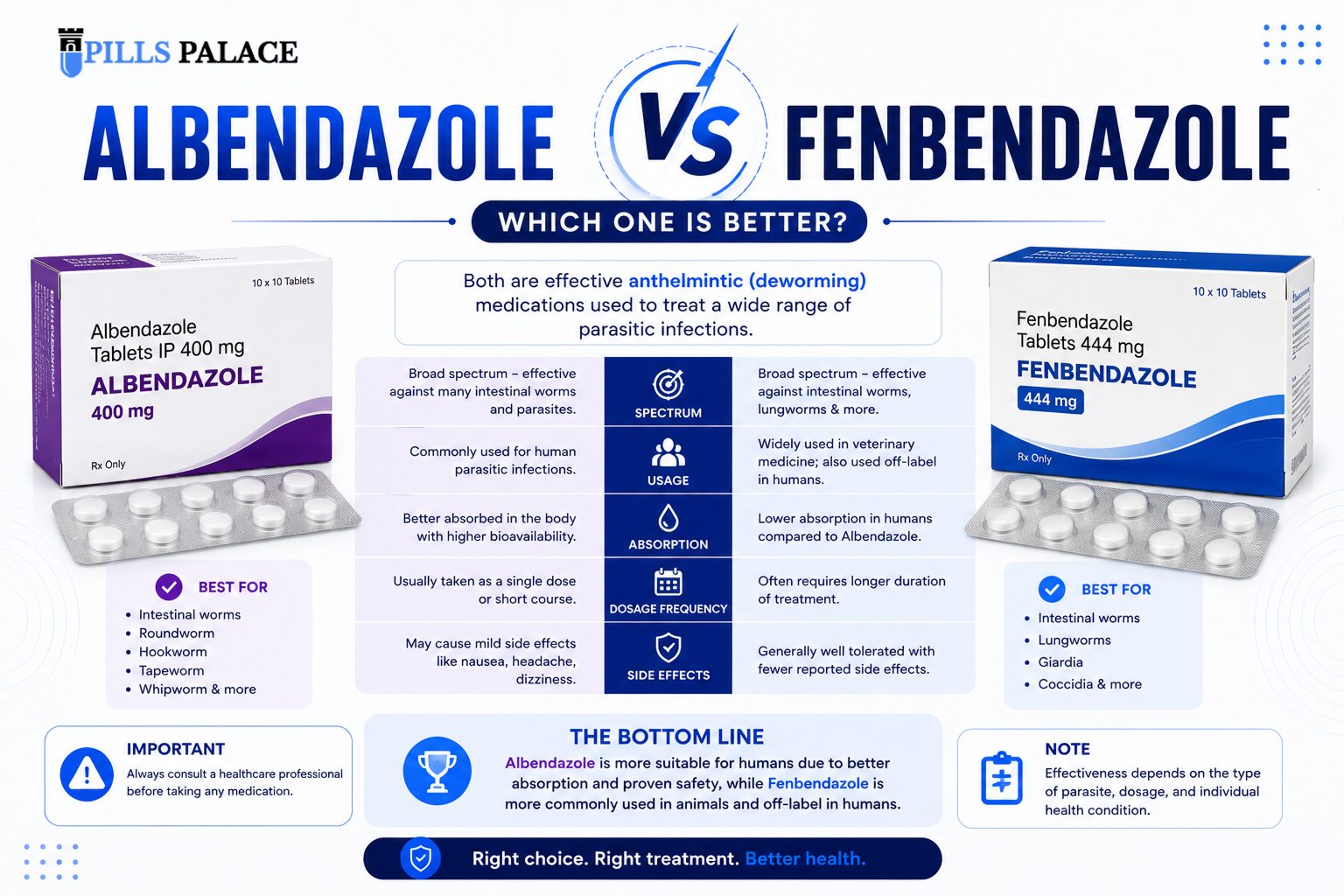
Albendazole vs Fenbendazole: Which One Is Better?
Albendazole and Fenbendazole are Two Popular Anthelmintic Drugs used to Treat Parasitic infections in humans and animals. Both Medications Belong to the Benzimidazole class and work by targeting the parasites’ Nervous System, Ultimately Leading to Their death. However, There are some differences between the Two, and in This article, we will delve into the details of each medication, their uses, side effects, and which one is better for specific conditions.
What is Albendazole?
Albendazole is a broad-spectrum anthelmintic medication that is effective against a wide range of parasites, including tapeworms, hookworms, roundworms, and whipworms. It is commonly used to treat infections such as neurocysticercosis, hydatid disease, and intestinal parasitism. Albendazole works by inhibiting the formation of microtubules in the parasites, which are essential for their survival and reproduction. This leads to the eventual death of the parasites and the alleviation of symptoms.
What is Fenbendazole?
Fenbendazole is another anthelmintic medication that is widely used in veterinary medicine to treat parasitic infections in animals. It is also used in humans to treat certain types of parasitic infections, although its use is not as widespread as Albendazole. Fenbendazole works in a similar way to Albendazole, by targeting the parasites’ nervous system and disrupting their microtubule formation. This leads to the death of the parasites and the resolution of symptoms.
Read More: Ivermectin vs Albendazole vs Fenbendazole
Key Differences Between Albendazole and Fenbendazole
While both medications are effective against parasitic infections, there are some key differences between them. Here are some of the main differences:
- Spectrum of Activity: Albendazole has a broader spectrum of activity than Fenbendazole, meaning it is effective against a wider range of parasites. Fenbendazole, on the other hand, is more specific in its action and is primarily used to treat nematode infections.
- Pharmacokinetics: Albendazole is absorbed more readily into the bloodstream than Fenbendazole, which means it can reach higher concentrations in the body. This can make it more effective against certain types of parasites.
- Side Effects: Both medications can cause side effects, but Albendazole is more likely to cause liver damage and bone marrow suppression. Fenbendazole, on the other hand, is generally considered safer and is less likely to cause serious side effects.
- Cost: Fenbendazole is generally less expensive than Aldol 400mg, which can make it a more attractive option for some patients.
Which One is Better for Specific Conditions?
The choice between Albendazole and Fenbendazole depends on the specific condition being treated. Here are some general guidelines:
- Neurocysticercosis: Albendazole is generally considered the first-line treatment for neurocysticercosis, as it has been shown to be more effective than Fenbendazole in reducing the size and number of cysts.
- Hydatid Disease: Albendazole is also the preferred treatment for hydatid disease, as it has been shown to be more effective in reducing the size and number of cysts.
- Intestinal Parasitism: Fenbendazole may be a better option for treating intestinal parasitism, as it is less likely to cause side effects and is generally considered safer.
- Cancer Treatment: Fenbendazole has been shown to have anti-cancer properties and is being investigated as a potential treatment for certain types of cancer. Albendazole has also been shown to have anti-cancer effects, But More Research is Needed to fully Understand its potential in this area.
Conclusion
In conclusion, both Albendazole and Fenbendazole are Effective Anthelmintic Medications that can be used to treat parasitic infections. The choice between the two depends on the specific condition being treated, as well as the patient’s individual needs and medical history. While Albendazole has a broader spectrum of activity and is more effective against certain types of parasites, Zentel is generally considered safer and may be a better option for certain patients. Ultimately, the decision to use one medication over the other should be made in consultation with a healthcare professional.
Recommendations
Based on the information presented in this article, here are some recommendations for the use of Albendazole and Fenbendazole:
- Use Albendazole for: Neurocysticercosis, hydatid disease, and intestinal parasitism caused by a wide range of parasites.
- Use Fenbendazole for: Intestinal parasitism caused by nematodes, and as a potential treatment for certain types of cancer.
- Consult a Healthcare Professional: Before using either medication, it is essential to consult with a healthcare professional to determine the best course of treatment for your specific condition.
Future Research Directions
While both Albendazole and Fenbendazole are effective anthelmintic medications, there is still a need for further research to fully understand their potential benefits and limitations. Some potential areas of research include:
- Investigating the Anti-Cancer Properties of Fenbendazole: Further research is needed to fully understand the anti-cancer effects of Fenbendazole and to determine its potential as a treatment for certain types of cancer.
- Developing New Anthelmintic Medications: The development of new anthelmintic medications with improved safety and efficacy profiles is essential to address the ongoing need for effective treatments for parasitic infections.
- Improving the Pharmacokinetics of Albendazole: Research is needed to improve the pharmacokinetics of Albendazole, including its absorption, distribution, and elimination, to enhance its efficacy and reduce its side effects.
Final Thoughts
In conclusion, Albendazole and Fenbendazole are two effective anthelmintic medications that can be used to treat parasitic infections. While both medications have their strengths and weaknesses, the choice between them depends on the specific condition being treated and the patient’s individual needs and medical history. Further research is needed to fully understand the potential benefits and limitations of these medications, as well as to develop new and improved treatments for parasitic infections. Pillspalace Provides Information about these medications and parasitic infection Treatments.
It is essential to consult with a Healthcare professional before using either medication to determine the best course of treatment for your specific condition. With the right treatment and care, it is possible to effectively manage and eliminate parasitic infections, improving overall health and quality of life.
We hope this article has provided you with a comprehensive understanding of Albendazole and Fenbendazole, including their uses, side effects, and potential benefits. If you have any further questions or concerns, please do not hesitate to reach out to a healthcare professional for guidance and support.