
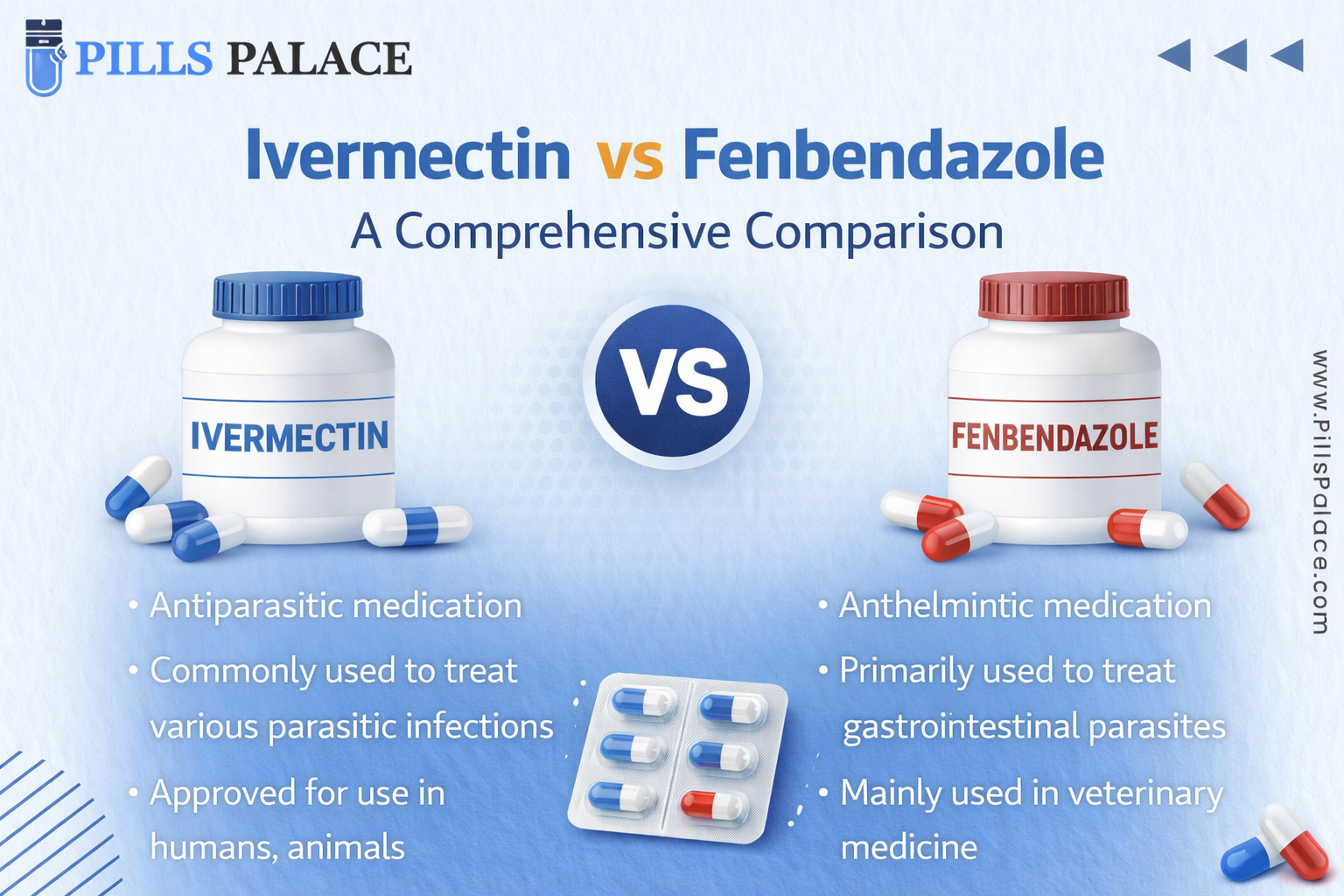
Ivermectin vs Fenbendazole: A Comprehensive Comparison
Ivermectin and fenbendazole are two widely used medications for treating parasitic infections in humans and animals. While both medications are effective against various types of parasites, they have distinct differences in terms of their mechanism of action, dosage, and side effects. In this article, we’ll delve into the world of ivermectin and fenbendazole, exploring their uses, benefits, and side effects to help you make an informed decision.
What is Ivermectin?
Ivermectin is a broad-spectrum anthelmintic medication that has been used for decades to treat various parasitic infections in humans and animals. It was first introduced in the 1980s and has since become a widely used medication for treating infections caused by roundworms, hookworms, and other parasites. Ivermectin works by binding to the glutamate-gated chloride channels in the parasite’s nervous system, causing paralysis and eventual death of the parasite.
What is Fenbendazole?
Fenbendazole is another type of anthelmintic medication that is used to treat parasitic infections in animals. It is commonly used to treat infections caused by roundworms, hookworms, and tapeworms in dogs, cats, and livestock. Fenbendazole works by disrupting the parasite’s energy production, ultimately leading to its death.
Comparison of Ivermectin and Fenbendazole
Both ivermectin and fenbendazole are effective against various types of parasites, but they have different mechanisms of action and uses. Here are some key differences between the two medications:
- Mechanism of action: Ivermectin works by binding to the glutamate-gated chloride channels in the parasite’s nervous system, while fenbendazole disrupts the parasite’s energy production.
- Use: Ivermectin is used to treat parasitic infections in humans and animals, while fenbendazole is primarily used to treat parasitic infections in animals.
- Dosage: The dosage of ivermectin and fenbendazole varies depending on the type of infection and the animal being treated. Ivermectin is typically given at a dose of 200-400 mcg/kg, while fenbendazole is given at a dose of 10-20 mg/kg.
- Side effects: Both medications can cause side effects, including vomiting, diarrhea, and abdominal pain. However, ivermectin can also cause more serious side effects, such as seizures and coma, in rare cases.
Benefits of Using Ivermectin
Ivermectin has several benefits that make it a popular choice for treating parasitic infections. Some of the benefits of using ivermectin include:
- Broad-spectrum activity: Ivermectin is effective against a wide range of parasites, including roundworms, hookworms, and tapeworms.
- High efficacy: Ivermectin has a high efficacy rate, with most parasites being eliminated after a single dose.
- Low cost: Ivermectin is generally less expensive than other anthelmintic medications, making it a cost-effective option for treating parasitic infections.
Benefits of Using Fenbendazole
Fenbendazole also has several benefits that make it a popular choice for treating parasitic infections in animals. Some of the benefits of using fenbendazole include:
- Targeted activity: Fenbendazole is specifically designed to target roundworms, hookworms, and tapeworms, making it a effective option for treating these types of infections.
- Low toxicity: Fenbendazole has a low toxicity profile, making it a safe option for use in animals.
- Easy to administer: Fenbendazole is generally easy to administer, with most animals tolerating the medication well.
Side Effects of Ivermectin and Fenbendazole
Both ivermectin and fenbendazole can cause side effects, although the severity and frequency of these side effects can vary. Some common side effects of ivermectin include:
- Vomiting: Ivermectin can cause vomiting, especially in animals that are sensitive to the medication.
- Diarrhea: Diarrhea is another common side effect of ivermectin, especially in animals that are infected with gastrointestinal parasites.
- Abdominal pain: Ivermectin can cause abdominal pain, especially in animals that are infected with parasites that cause inflammation in the digestive tract.
Fenbendazole can also cause side effects, including:
- Vomiting: Fenbendazole can cause vomiting, especially in animals that are sensitive to the medication.
- Diarrhea: Diarrhea is another common side effect of fenbendazole, especially in animals that are infected with gastrointestinal parasites.
- Loss of appetite: Fenbendazole can cause a loss of appetite in some animals, especially those that are sensitive to the medication.
Conclusion
In conclusion, ivermectin and fenbendazole are two popular anthelmintic medications used to treat parasitic infections in humans and animals. While both medications are effective against various types of parasites, they have distinct differences in terms of their mechanism of action, dosage, and side effects. Ivermectin is a broad-spectrum medication that is effective against a wide range of parasites, while fenbendazole is specifically designed to target roundworms, hookworms, and tapeworms. Both medications can cause side effects, although the severity and frequency of these side effects can vary. Ultimately, the choice between ivermectin and fenbendazole will depend on the specific needs of the individual or animal being treated.
It’s essential to consult with a healthcare professional or veterinarian before using either medication, as they can provide guidance on the proper use and dosage of these medications. Additionally, it’s crucial to follow the recommended dosage and administration instructions to minimize the risk of side effects and ensure the effective treatment of parasitic infections.
Recommendations
- Use ivermectin for: Treating parasitic infections in humans and animals, especially those caused by roundworms, hookworms, and tapeworms.
- Use fenbendazole for: Treating parasitic infections in animals, especially those caused by roundworms, hookworms, and tapeworms.
- Consult with a healthcare professional or veterinarian: Before using either medication, to ensure the proper use and dosage, and to minimize the risk of side effects.