
Sildenafil Dosage: A Comprehensive Guide
Sildenafil, commonly known by its brand name Viagra, is a widely used medication for the treatment of erectile dysfunction (ED). The medication works by increasing blood flow to the penis, helping men achieve and maintain an erection. However, to maximize its effectiveness and minimize potential side effects, it’s essential to understand the recommended sildenafil dosage and follow proper usage guidelines.
Recommended Sildenafil Dosage
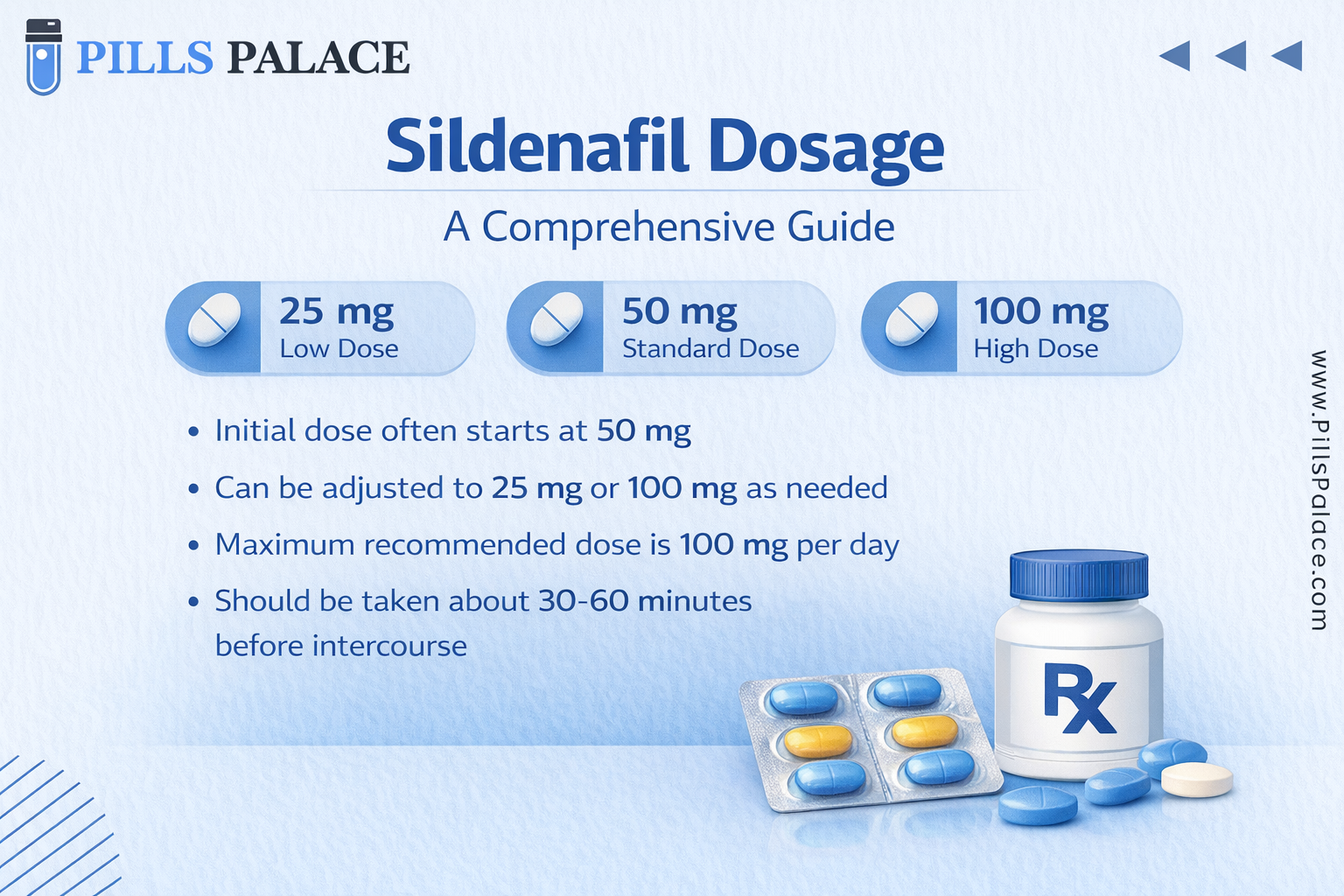
The recommended sildenafil dosage varies depending on the individual and the severity of their ED. The standard starting dose is 50mg, taken as needed, approximately 30 minutes to 1 hour before sexual activity. However, the dosage can be adjusted based on the patient’s response and tolerance.
- Initial dose: 50mg, taken as needed, 30 minutes to 1 hour before sexual activity
- Maximum dose: 100mg per day, taken as needed, 30 minutes to 1 hour before sexual activity
- Minimum dose: 25mg, taken as needed, 30 minutes to 1 hour before sexual activity
Potential Side Effects of Sildenafil
While sildenafil is generally well-tolerated, it can cause some potential side effects, including:
- Headache
- Flushing
- Indigestion
- Nausea
- Dizziness
- Abnormal vision (e.g., blurred vision, sensitivity to light)
These side effects are usually mild and temporary, but in rare cases, sildenafil can cause more serious adverse effects, such as:
- Priapism (a prolonged erection lasting more than 4 hours)
- Sudden vision loss
- Sudden hearing loss
- Chest pain or heart attack
Important Considerations for Sildenafil Use
Before taking sildenafil, it’s essential to consider the following:
- Medical history: Inform your doctor about any pre-existing medical conditions, such as heart disease, high blood pressure, or liver disease.
- Medications: Disclose all medications you’re currently taking, including prescription and over-the-counter medications, as well as supplements and vitamins.
- Allergies: If you have any allergies, especially to sildenafil or other medications, inform your doctor.
- Pregnancy and breastfeeding: Sildenafil is not recommended for women, especially those who are pregnant or breastfeeding.
Interactions with Other Medications
Sildenafil can interact with other medications, including:
- Nitrates (e.g., nitroglycerin, isosorbide mononitrate)
- Alpha-blockers (e.g., doxazosin, tamsulosin)
- Antihypertensives (e.g., amlodipine, losartan)
- Ritonavir (an antiviral medication)
These interactions can increase the risk of side effects or reduce the effectiveness of sildenafil. Therefore, it’s crucial to inform your doctor about all medications you’re taking before starting sildenafil.
Contraindications for Sildenafil Use
Sildenafil is contraindicated in the following situations:
- Hypersensitivity: If you have a known allergy to sildenafil or any of its components.
- Nitrates: If you’re taking nitrates or other medications that contain nitrates.
- Guanylate cyclase stimulators: If you’re taking medications that stimulate guanylate cyclase, such as riociguat.
- Priapism: If you have a history of priapism or conditions that increase the risk of priapism, such as sickle cell anemia or multiple myeloma.
Storage and Disposal of Sildenafil
To maintain the effectiveness and safety of sildenafil, store it:
- In a cool, dry place, away from direct sunlight
- In its original packaging, to protect it from moisture and light
- Out of reach of children and pets
Dispose of sildenafil properly by:
- Following the instructions provided by your doctor or pharmacist
- Returning unused or expired medication to a pharmacy or a designated collection facility
Conclusion
Sildenafil is a highly effective medication for the treatment of erectile dysfunction. However, to maximize its benefits and minimize potential side effects, it’s essential to understand the recommended sildenafil dosage and follow proper usage guidelines. By considering your medical history, medications, and allergies, and storing and disposing of sildenafil properly, you can ensure safe and effective use of this medication.
If you have any questions or concerns about sildenafil or its use, consult your doctor or a qualified healthcare professional. They can provide personalized guidance and help you make informed decisions about your treatment.