
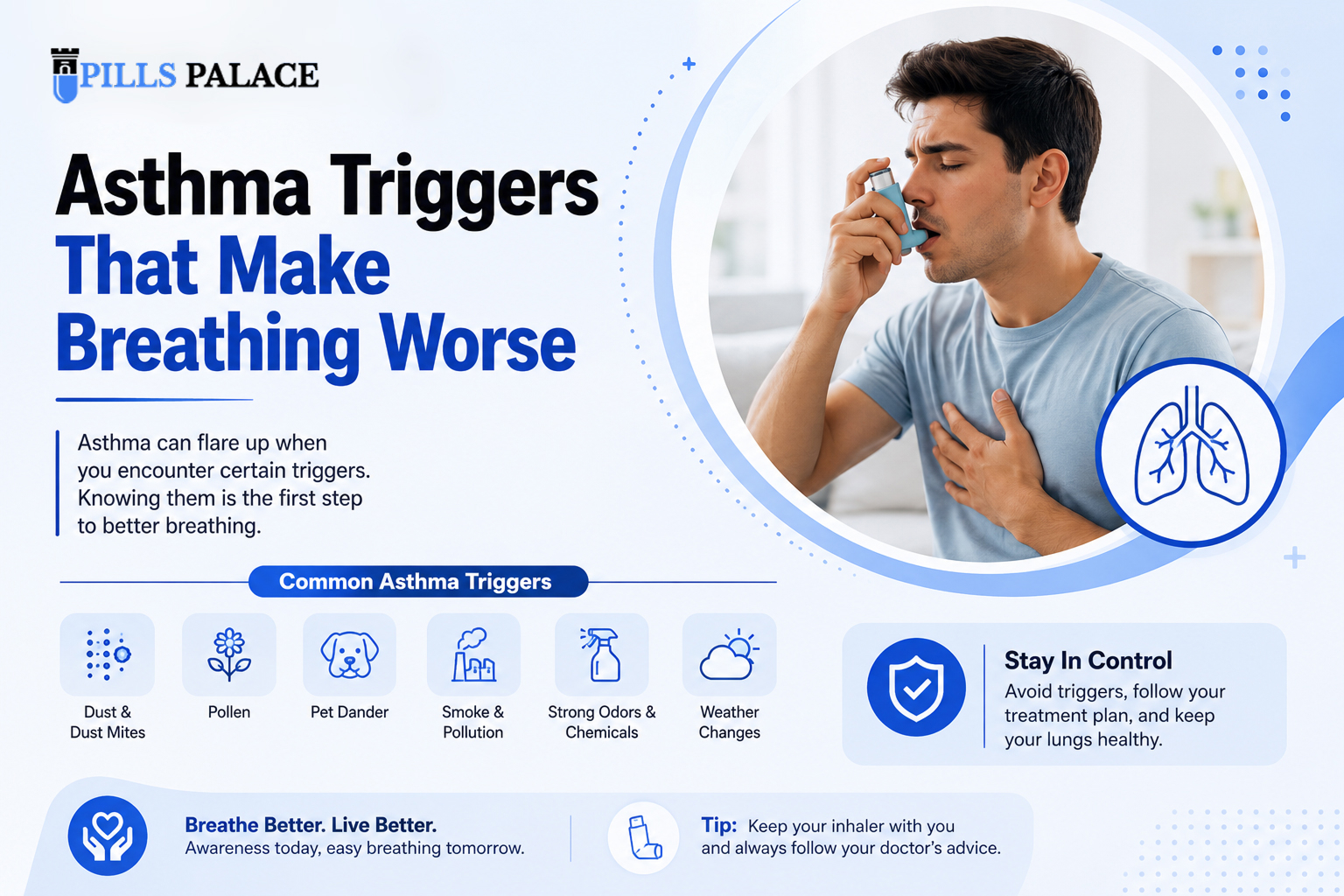
Asthma Triggers That Make Breathing Worse
Asthma is a chronic respiratory condition that affects millions of people worldwide, causing symptoms such as wheezing, coughing, and shortness of breath. While there is no cure for asthma, managing the condition and avoiding triggers can help to control symptoms and improve quality of life. In this article, we will discuss common asthma triggers that can make breathing worse and provide tips on how to manage them.
What are Asthma Triggers?
Asthma triggers are substances or conditions that can cause an asthma attack or make symptoms worse. These triggers can vary from person to person, but common ones include allergens, irritants, and environmental factors. When an asthma trigger is inhaled, it can cause the airways to become inflamed and constricted, leading to symptoms such as wheezing, coughing, and shortness of breath. Asthalin Inhaler, Asthalin 4mg, and Asthalin Respules are commonly used medications in asthma management and may be prescribed by a healthcare professional depending on individual needs.
Common Asthma Triggers
There are several common asthma triggers that can make breathing worse. These include:
- Allergens: Allergens such as dust mites, pollen, mold, and pet dander can trigger an asthma attack. These allergens can be found in the air, on surfaces, and in the environment.
- Irritants: Irritants such as tobacco smoke, strong odors, and chemicals can also trigger asthma symptoms. These irritants can be found in the air, in cleaning products, and in the workplace.
- Environmental Factors: Environmental factors such as cold air, humidity, and air pollution can also trigger asthma symptoms. These factors can be found outdoors and indoors, and can be exacerbated by weather conditions.
- Respiratory Infections: Respiratory infections such as the common cold and flu can also trigger asthma symptoms. These infections can be spread through the air and through contact with others.
- Exercise: Exercise can also trigger asthma symptoms, especially in people who have exercise-induced asthma. This type of asthma is triggered by physical activity and can be managed with medication and warm-up exercises.
Managing Asthma Triggers
Managing asthma triggers is crucial to controlling symptoms and improving quality of life. Here are some tips on how to manage common asthma triggers:
- Avoid Allergens: Avoiding allergens such as dust mites, pollen, and pet dander can help to reduce the risk of an asthma attack. Use allergen-proof bedding, remove carpets and rugs, and keep pets out of the bedroom.
- Use HEPA Filters: Using HEPA filters can help to remove allergens and irritants from the air, reducing the risk of an asthma attack. Use HEPA filters in vacuum cleaners, air purifiers, and HVAC systems.
- Stay Away from Irritants: Staying away from irritants such as tobacco smoke, strong odors, and chemicals can help to reduce the risk of an asthma attack. Avoid smoking and second-hand smoke, and use cleaning products that are free from harsh chemicals.
- Monitor Air Quality: Monitoring air quality can help to reduce the risk of an asthma attack. Check the air quality index in your area, and stay indoors when the air quality is poor.
- Get Vaccinated: Getting vaccinated against respiratory infections such as the flu can help to reduce the risk of an asthma attack. Get vaccinated every year, and encourage others to do the same.
- Exercise with Caution: Exercising with caution can help to manage exercise-induced asthma. Warm up before exercise, use medication as prescribed, and avoid exercising in cold air or when the air quality is poor.
Creating an Asthma Action Plan
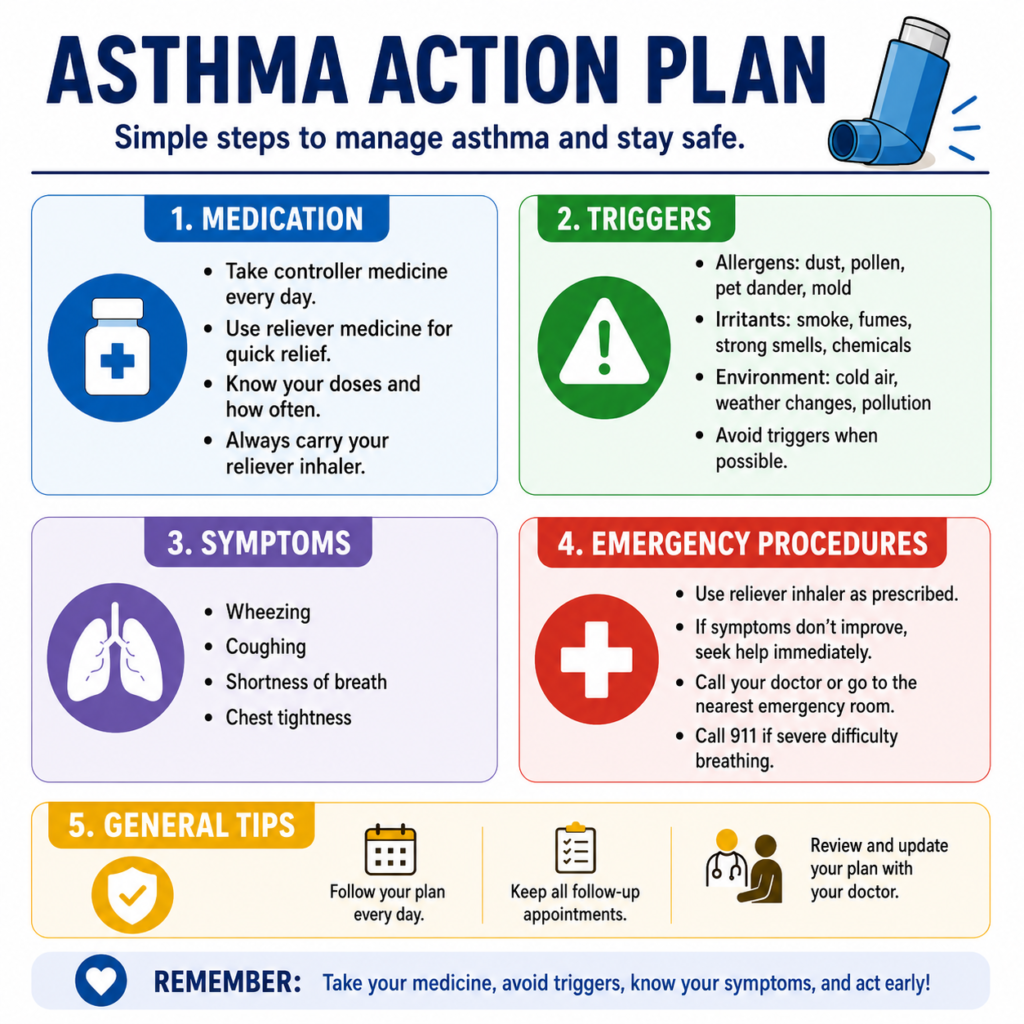
Creating an asthma action plan can help to manage symptoms and reduce the risk of an asthma attack. An asthma action plan should include:
- Medication: A list of medications, including doses and frequency of use.
- Triggers: A list of triggers, including allergens, irritants, and environmental factors.
- Symptoms: A list of symptoms, including wheezing, coughing, and shortness of breath.
- Emergency Procedures: A list of emergency procedures, including what to do in case of an asthma attack.
Conclusion
Asthma is a chronic respiratory condition that can be managed with the right treatment and care. By avoiding triggers, using medication as prescribed, and creating an asthma action plan, people with asthma can reduce the risk of an asthma attack and improve their quality of life. Remember to always consult with a healthcare provider before starting any new treatment or making changes to your asthma management plan. For additional information and healthcare resources, pillspalace can be a helpful source to explore.
By understanding what triggers your asthma and taking steps to manage them, you can breathe easier and live a healthier, happier life. Don’t let asthma control your life – take control of your asthma today.