
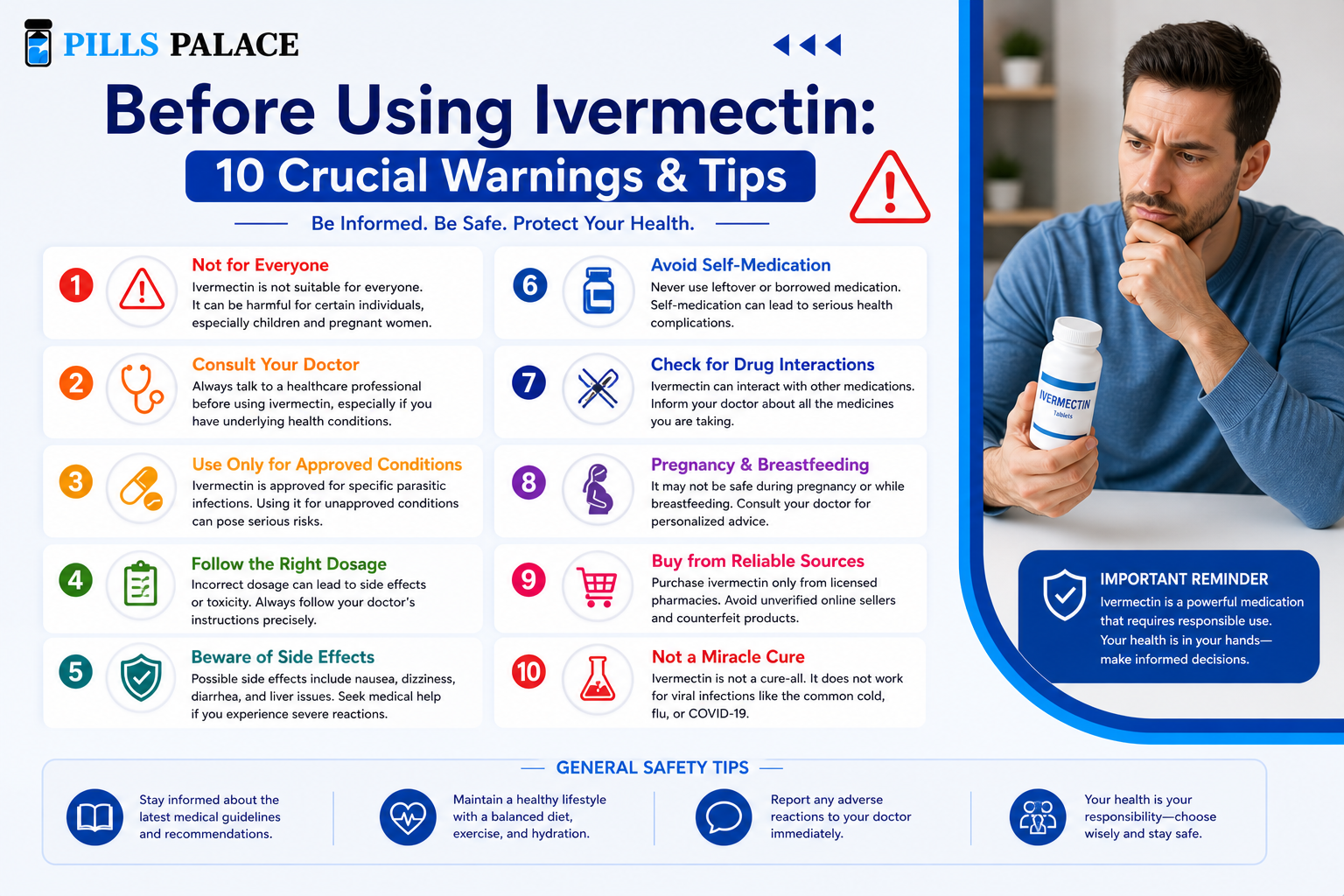
Before Using Ivermectin: 10 Crucial Warnings & Tips
Before Using Ivermectin: 10 Crucial Warnings & Tips
Ivermectin is a widely used medication that has been proven to be effective in treating various parasitic infections, including onchocerciasis, lymphatic filariasis, and scabies. However, like any other medication, ivermectin can have potential side effects and interact with other medications. Before using ivermectin, it’s essential to consider several crucial warnings and tips to ensure safe and effective treatment.
Warning 1: Consult a Doctor Before Using Ivermectin
It’s essential to consult a doctor before using ivermectin, especially if you have a history of medical conditions, such as liver or kidney disease, or if you are taking other medications. Your doctor will be able to assess your overall health and determine the best course of treatment for your specific condition.
Warning 2: Ivermectin is Not Approved for COVID-19 Treatment
Despite some claims that ivermectin can be used to treat COVID-19, the FDA has not approved the medication for this purpose. In fact, the FDA has warned against using ivermectin to treat COVID-19, citing the lack of evidence and potential risks associated with its use.
Tip 1: Follow the Recommended Dosage
It’s crucial to follow the recommended dosage of ivermectin, as specified by your doctor or the manufacturer. Taking more than the recommended dose can increase the risk of side effects, while taking less than the recommended dose may not effectively treat the infection.
Tip 2: Complete the Full Course of Treatment
To ensure that the infection is fully treated, it’s essential to complete the full course of ivermectin treatment, even if your symptoms improve before finishing the medication. Stopping the treatment too soon can lead to the development of resistance and reduce the effectiveness of the medication.
Warning 3: Ivermectin Can Interact with Other Medications
Ivermectin can interact with other medications, including blood thinners, such as warfarin, and certain antibiotics, such as erythromycin. These interactions can increase the risk of side effects or reduce the effectiveness of the medication. It’s essential to inform your doctor about all the medications you are taking before using ivermectin.
Warning 4: Ivermectin Can Cause Allergic Reactions
Some people may be allergic to ivermectin, which can cause severe reactions, including anaphylaxis. If you experience any symptoms of an allergic reaction, such as hives, itching, or difficulty breathing, seek medical attention immediately.
Tip 3: Monitor Your Liver and Kidney Function
Ivermectin can affect liver and kidney function, especially in people with pre-existing conditions. It’s essential to monitor your liver and kidney function while taking ivermectin, especially if you have a history of liver or kidney disease.
Tip 4: Avoid Using Ivermectin in Pregnancy or Breastfeeding
The safety of ivermectin in pregnancy or breastfeeding has not been established. As a precaution, it’s recommended to avoid using ivermectin during pregnancy or breastfeeding, unless the benefits outweigh the potential risks.
Warning 5: Ivermectin Can Cause Neurological Side Effects
Ivermectin can cause neurological side effects, including dizziness, seizures, and coma. These side effects are more common in people with a history of neurological disorders or those taking certain medications.
Tip 5: Avoid Drinking Alcohol While Taking Ivermectin
Drinking alcohol while taking ivermectin can increase the risk of side effects, including dizziness and seizures. It’s recommended to avoid drinking alcohol while taking ivermectin.
Warning 6: Ivermectin Can Cause Gastrointestinal Side Effects
Ivermectin can cause gastrointestinal side effects, including nausea, vomiting, and diarrhea. These side effects are usually mild and temporary, but can be severe in some cases.
Tip 6: Take Ivermectin with Food
Taking ivermectin with food can help reduce the risk of gastrointestinal side effects. It’s recommended to take ivermectin with a meal, unless your doctor instructs you otherwise.
Warning 7: Ivermectin Can Cause Skin Reactions
Ivermectin can cause skin reactions, including rash, itching, and hives. These reactions are usually mild and temporary, but can be severe in some cases.
Tip 7: Apply Topical Treatments with Caution
When using topical ivermectin treatments, apply them with caution, as they can cause skin irritation. It’s recommended to start with a small test patch to ensure you don’t have any adverse reactions.
Warning 8: Ivermectin Can Cause Eye Problems
Ivermectin can cause eye problems, including conjunctivitis and uveitis. If you experience any eye symptoms, such as redness, itching, or blurred vision, seek medical attention immediately.
Tip 8: Avoid Touching Your Eyes While Using Ivermectin
To reduce the risk of eye problems, avoid touching your eyes while using ivermectin. Wash your hands thoroughly before and after using ivermectin, and avoid sharing makeup or makeup brushes.
Warning 9: Ivermectin Can Cause Respiratory Problems
Ivermectin can cause respiratory problems, including coughing, wheezing, and shortness of breath. If you experience any respiratory symptoms, seek medical attention immediately.
Tip 9: Avoid Using Ivermectin in People with Respiratory Conditions
People with pre-existing respiratory conditions, such as asthma or COPD, should use ivermectin with caution. It’s essential to monitor your respiratory function while taking ivermectin, and seek medical attention if you experience any respiratory symptoms.
Warning 10: Ivermectin Can Cause Cardiac Problems
Ivermectin can cause cardiac problems, including abnormal heart rhythms and cardiac arrest. If you experience any cardiac symptoms, such as chest pain, seek medical attention immediately.
Tip 10: Monitor Your Cardiac Function While Taking Ivermectin
Monitor your cardiac function while taking ivermectin, especially if you have a history of cardiac conditions. It’s essential to seek medical attention if you experience any cardiac symptoms.
In conclusion, ivermectin is a widely used medication that can be effective in treating various parasitic infections. However, it’s essential to consider several crucial warnings and tips before using ivermectin to ensure safe and effective treatment. By following these warnings and tips, you can minimize the risk of side effects and maximize the benefits of ivermectin treatment.