
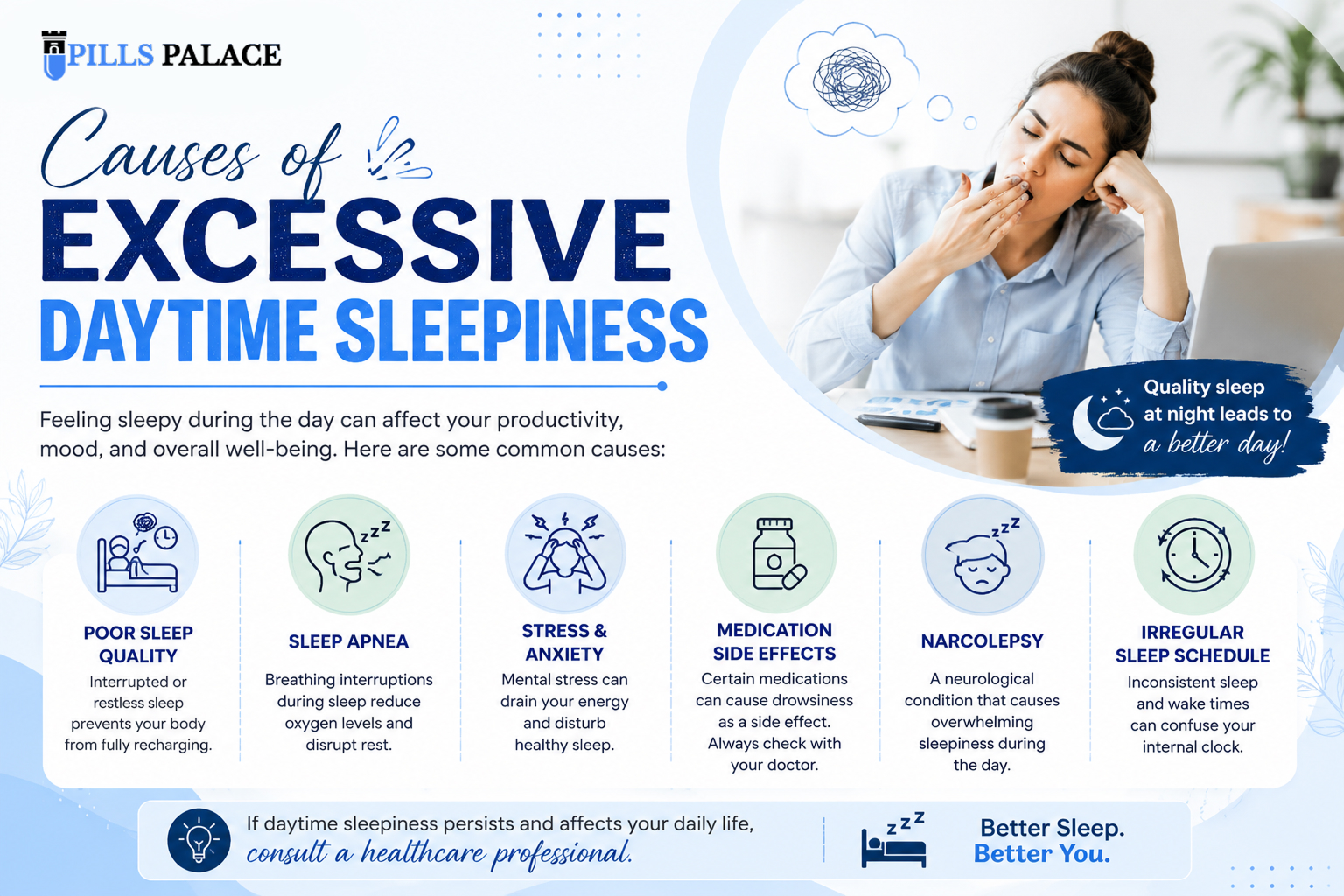
Causes of Excessive Daytime Sleepiness
Excessive daytime sleepiness (EDS) is a common condition characterized by an overwhelming desire to sleep during the day, even after getting a full night’s rest. It can significantly impact daily life, affecting work, social relationships, and overall well-being. EDS can be a symptom of an underlying sleep disorder, medical condition, or lifestyle factor. In this article, we will explore the causes of excessive daytime sleepiness, its symptoms, and treatment options to help you take control of your sleep health.
Sleep Disorders
Sleep disorders are a common cause of excessive daytime sleepiness. Some of the most common sleep disorders that can lead to EDS include:
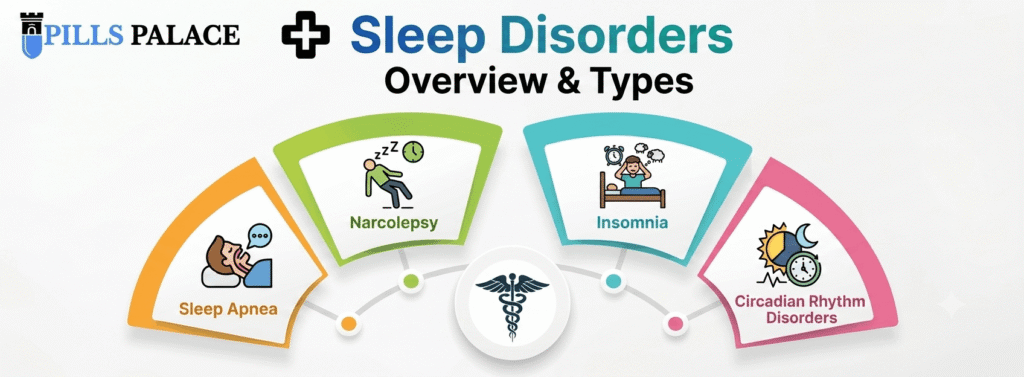
- Sleep Apnea: A condition characterized by pauses in breathing during sleep, leading to disrupted sleep patterns and excessive daytime sleepiness.
- Narcolepsy: A neurological disorder that affects the brain’s ability to regulate sleep-wake cycles, causing excessive daytime sleepiness and sudden attacks of sleep.
- Insomnia: A condition characterized by difficulty falling asleep or staying asleep, leading to daytime fatigue and sleepiness.
- Circadian Rhythm Disorders: Disorders that affect the body’s internal clock, such as shift work sleep disorder or delayed sleep phase syndrome, can lead to excessive daytime sleepiness.
See More: Difference Between Insomnia and Sleep Apnea
Medical Conditions
Certain medical conditions can also contribute to excessive daytime sleepiness. Some of these conditions include:
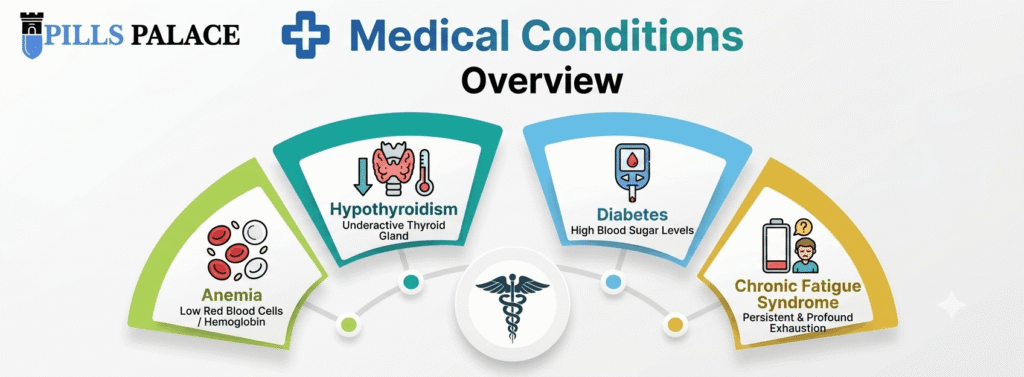
- Anemia: A condition characterized by a lack of red blood cells or hemoglobin, leading to fatigue and sleepiness.
- Hypothyroidism: A condition in which the thyroid gland does not produce enough hormones, leading to fatigue, sleepiness, and weight gain.
- Diabetes: High blood sugar levels can lead to fatigue, sleepiness, and other complications.
- Chronic Fatigue Syndrome: A condition characterized by persistent fatigue that is not relieved by rest, leading to excessive daytime sleepiness.
Lifestyle Factors
Certain lifestyle factors can also contribute to excessive daytime sleepiness. Some of these factors include:
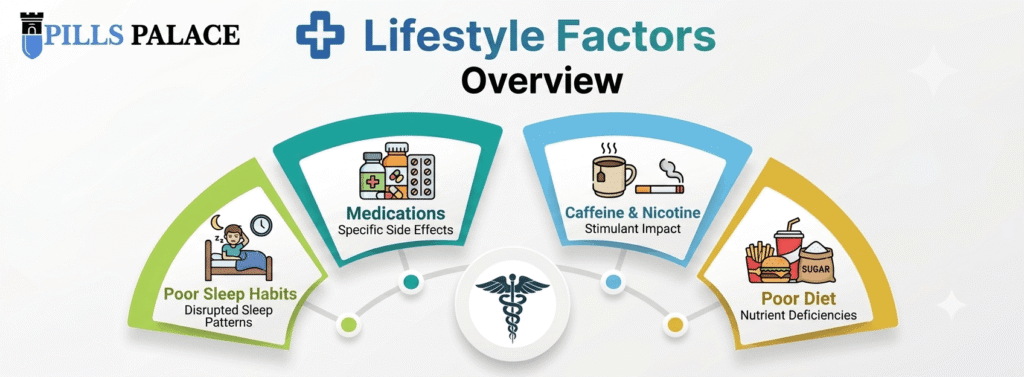
- Poor Sleep Habits: Irregular sleep schedules, lack of sleep, or poor sleep quality can lead to excessive daytime sleepiness.
- Medications: Certain medications, such as sedatives or antidepressants, can cause drowsiness and excessive daytime sleepiness.
- Caffeine and Nicotine: Consuming high amounts of caffeine or nicotine can lead to disrupted sleep patterns and excessive daytime sleepiness.
- Poor Diet: A diet high in sugar, salt, and unhealthy fats can lead to fatigue, sleepiness, and other health problems.
See More: A Mixing of Modafinil and Caffeine
Symptoms of Excessive Daytime Sleepiness
The symptoms of excessive daytime sleepiness can vary from person to person, but common symptoms include:
- Difficulty staying awake during the day
- Feeling tired or sluggish
- Difficulty concentrating or paying attention
- Memory problems
- Mood changes, such as irritability or depression
Treatment Options
Treatment for excessive daytime sleepiness depends on the underlying cause. Some treatment options include:
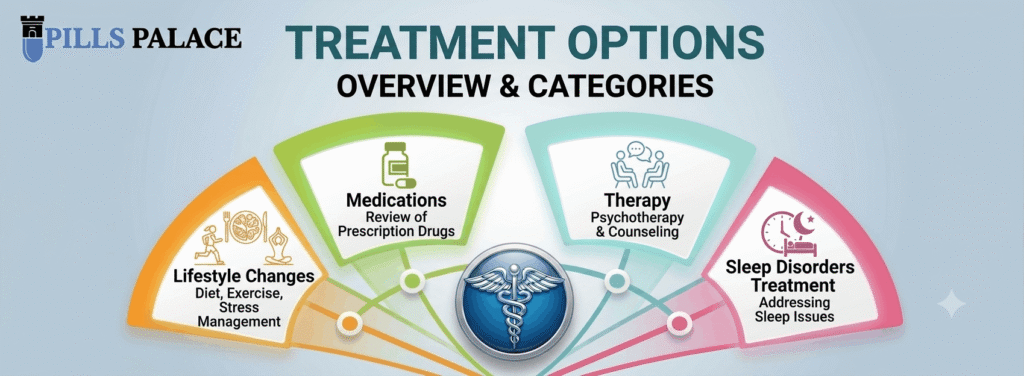
- Lifestyle Changes: Establishing a regular sleep schedule, avoiding caffeine and nicotine, and getting regular exercise can help improve sleep quality and reduce excessive daytime sleepiness.
- Medications: Certain medications, such as stimulants or sleep aids, can help regulate sleep patterns and reduce excessive daytime sleepiness.
- Therapy: Cognitive behavioral therapy (CBT) or other forms of talk therapy can help individuals with sleep disorders or other underlying conditions that contribute to excessive daytime sleepiness.
- Sleep Disorders Treatment: Treatment for underlying sleep disorders, such as sleep apnea or insomnia, can help reduce excessive daytime sleepiness.
Learn More: Sleep apnea and erectile dysfunction treatment
Conclusion
Excessive daytime sleepiness is a common condition that can significantly impact daily life. Understanding the causes of EDS, including sleep disorders, medical conditions, and lifestyle factors, is crucial for effective treatment. By making lifestyle changes, seeking medical attention, and addressing underlying conditions, individuals can reduce excessive daytime sleepiness and improve their overall sleep health. If you are experiencing excessive daytime sleepiness, consult with a healthcare professional to determine the underlying cause and develop a treatment plan that works best for you. Pillspalace provides informative health resources to help you better understand sleep-related conditions and treatment options.
Remember, taking control of your sleep health is essential for overall well-being. By prioritizing sleep and seeking help when needed, you can wake up feeling rested, refreshed, and ready to take on the day.