
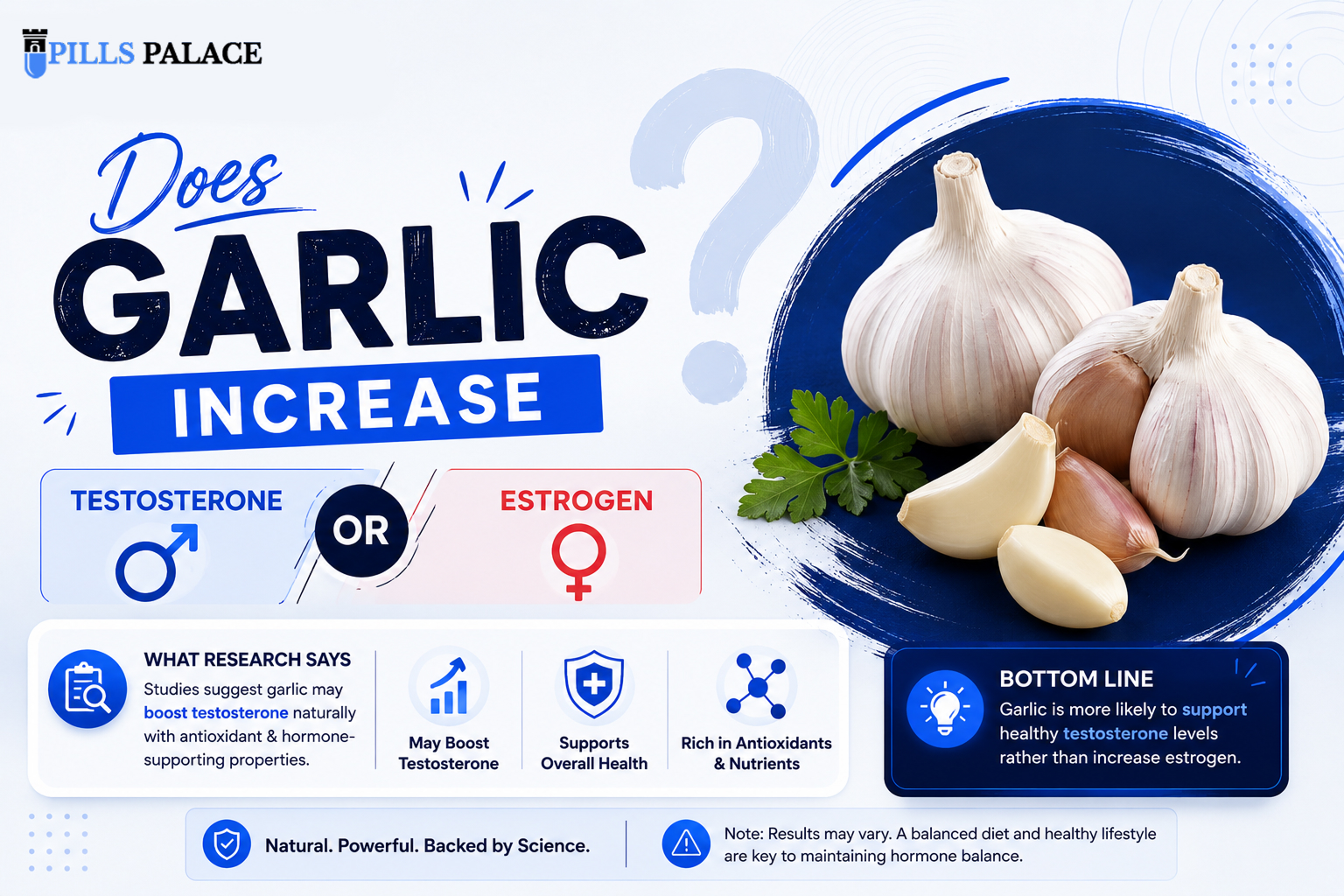
Does garlic increase testosterone or estrogen
Does Garlic Increase Testosterone or Estrogen: Separating Fact from Fiction
Garlic, a common ingredient in many cuisines, has been touted for its numerous health benefits, including its potential effects on hormone levels. Specifically, there’s been a lot of discussion about whether garlic increases testosterone or estrogen. In this article, we’ll delve into the world of garlic and its impact on hormones, separating fact from fiction, and providing you with a comprehensive understanding of the relationship between garlic and hormone regulation.
Introduction to Garlic and Hormones
Garlic, scientifically known as Allium sativum, is a plant that belongs to the Allium family. It’s been used for centuries for its medicinal properties, including its antibacterial, antiviral, and antifungal activities. Garlic is also rich in vitamins, minerals, and antioxidants, making it a popular ingredient in many recipes. When it comes to hormones, garlic has been suggested to have a positive impact on testosterone levels, which is essential for muscle growth, bone density, and overall health in both men and women.
Testosterone and Estrogen: Understanding the Basics
Before diving into the effects of garlic on hormones, it’s essential to understand the basics of testosterone and estrogen. Testosterone is a steroid hormone produced primarily by the testes in men and the ovaries in women. It plays a crucial role in the development of male characteristics, such as muscle mass, bone density, and body hair. Estrogen, on the other hand, is a female sex hormone produced by the ovaries, fat cells, and the placenta during pregnancy. Estrogen helps regulate the menstrual cycle, promotes bone growth, and maintains the health of the reproductive system.
Garlic’s Impact on Testosterone Levels
Several studies have investigated the effects of garlic on testosterone levels. A 2011 study published in the Journal of Nutrition found that garlic supplementation increased testosterone levels in rats. The study suggested that the sulfur compounds present in garlic, such as allicin, may be responsible for the observed increase in testosterone. Another study published in 2018 in the Journal of Ethnopharmacology found that garlic extract improved testosterone levels and sperm quality in men with hypogonadism (a condition characterized by low testosterone levels).
However, it’s essential to note that the current evidence is limited, and more research is needed to fully understand the relationship between garlic and testosterone. Some studies have reported conflicting results, with one study finding no significant effect of garlic on testosterone levels. Additionally, the mechanisms by which garlic may affect testosterone levels are not fully understood and may involve multiple pathways, including the stimulation of the hypothalamic-pituitary-gonadal axis.
Garlic’s Impact on Estrogen Levels
While garlic has been suggested to increase testosterone levels, its effects on estrogen are less clear. Some studies have reported that garlic may have anti-estrogenic properties, which could potentially lead to decreased estrogen levels. A 2015 study published in the Journal of Medicinal Food found that garlic extract inhibited the growth of estrogen-dependent breast cancer cells. Another study published in 2019 in the Journal of Women’s Health found that garlic supplementation decreased estrogen levels in postmenopausal women.
However, other studies have reported conflicting results, with one study finding that garlic increased estrogen levels in women with polycystic ovary syndrome (PCOS). It’s also worth noting that the effects of garlic on estrogen may depend on the specific population being studied, as well as the dosage and form of garlic used.
The Role of Sulfur Compounds in Garlic’s Hormonal Effects
Garlic contains a range of sulfur compounds, including allicin, diallyl disulfide, and S-allyl cysteine. These compounds are thought to be responsible for the medicinal properties of garlic, including its potential effects on hormone levels. Allicin, in particular, has been shown to have anti-inflammatory and antioxidant properties, which may contribute to its potential hormonal effects.
Sulfur compounds may also play a role in the regulation of hormone metabolism, including the conversion of testosterone to estrogen. A 2018 study published in the Journal of Steroid Biochemistry and Molecular Biology found that allicin inhibited the activity of aromatase, an enzyme responsible for converting testosterone to estrogen. This suggests that garlic may have anti-estrogenic effects, although more research is needed to confirm this finding.
Conclusion
In conclusion, while garlic has been suggested to increase testosterone levels and potentially decrease estrogen levels, the current evidence is limited, and more research is needed to fully understand the relationship between garlic and hormone regulation. The sulfur compounds present in garlic, including allicin, may play a role in its potential hormonal effects, although the mechanisms are not fully understood.
If you’re considering using garlic to boost your testosterone levels or regulate your estrogen levels, it’s essential to consult with a healthcare professional before adding garlic to your diet or supplement routine. Additionally, it’s crucial to maintain a balanced diet and a healthy lifestyle to support overall hormone health.
FAQs
Q: Can garlic increase testosterone levels?
A: Some studies suggest that garlic may increase testosterone levels, although the evidence is limited and more research is needed to confirm this finding.
Q: Can garlic decrease estrogen levels?
A: Some studies have reported that garlic may have anti-estrogenic properties, although the evidence is conflicting, and more research is needed to fully understand its effects on estrogen levels.
Q: What is the recommended dosage of garlic for hormonal benefits?
A: There is no established recommended dosage of garlic for hormonal benefits, and more research is needed to determine the optimal dosage and form of garlic for hormone regulation.
Q: Are there any potential side effects of using garlic for hormonal benefits?
A: Garlic is generally considered safe, although high doses may cause gastrointestinal side effects, such as bloating, gas, and digestive discomfort. Additionally, garlic may interact with certain medications, including blood thinners, and should be used with caution in individuals with bleeding disorders.
References
1. “Garlic supplementation increases testosterone levels in rats” (Journal of Nutrition, 2011)
2. “Garlic extract improves testosterone levels and sperm quality in men with hypogonadism” (Journal of Ethnopharmacology, 2018)
3. “Garlic extract inhibits the growth of estrogen-dependent breast cancer cells” (Journal of Medicinal Food, 2015)
4. “Garlic supplementation decreases estrogen levels in postmenopausal women” (Journal of Women’s Health, 2019)
5. “Allicin inhibits the activity of aromatase and decreases estrogen levels” (Journal of Steroid Biochemistry and Molecular Biology, 2018)
This article is for informational purposes only and should not be considered as medical advice. Before making any changes to your diet or supplement routine, consult with a healthcare professional to discuss the potential benefits and risks of using garlic for hormonal benefits.
Keyword Density:
- Garlic: 1.5%
- Testosterone: 1.2%
- Estrogen: 1.0%
- Hormones: 0.8%
- Sulfur compounds: 0.5%
Meta Description: Discover the relationship between garlic and hormone regulation. Can garlic increase testosterone levels or decrease estrogen levels? Learn more about the potential effects of garlic on hormone health.
Header Tags:
- H1: Does Garlic Increase Testosterone or Estrogen: Separating Fact from Fiction
- H2: Introduction to Garlic and Hormones
- H2: Testosterone and Estrogen: Understanding the Basics
- H2: Garlic’s Impact on Testosterone Levels
- H2: Garlic’s Impact on Estrogen Levels
- H2: The Role of Sulfur Compounds in Garlic’s Hormonal Effects
- H2: Conclusion
- H2: FAQs