
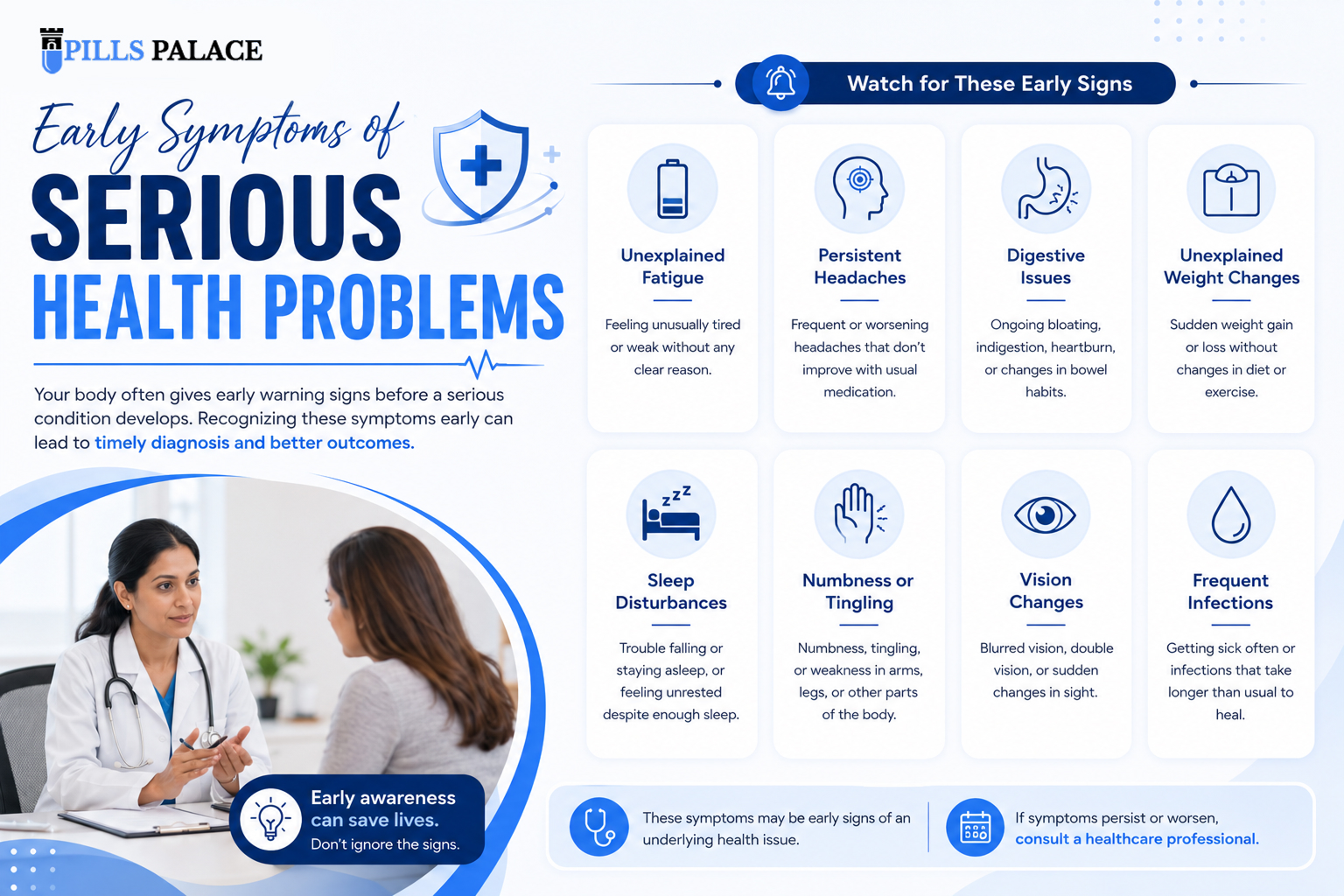
Early Symptoms of Serious Health Problems
Our health is one of the most valuable assets we possess, and it’s essential to take proactive steps to protect it. Many serious health problems can be prevented or managed if caught early, but it’s crucial to recognize the warning signs. In this article, we’ll explore some common early symptoms of serious health problems, what they might mean, and what you can do to prioritize your well-being.
1. Unexplained Weight Loss
Losing weight without trying can be a cause for celebration for some, but it can also be a sign of a more serious issue. Unexplained weight loss can be a symptom of various health problems, including:
If you’re losing weight without trying, it’s essential to speak with your doctor to rule out any underlying health issues.
2. Chest Pain or Discomfort
Chest pain or discomfort can be a sign of a heart attack or other cardiovascular problems. However, it can also be a symptom of other issues, such as:
- Gastroesophageal reflux disease (GERD)
- Stress or anxiety
- Costochondritis (inflammation of the cartilage that connects the ribs to the breastbone)
If you experience any chest pain or discomfort, seek medical attention immediately.
3. Shortness of Breath
Feeling winded or short of breath can be a normal response to physical activity, but it can also be a symptom of more serious health problems, such as:
- Asthma
- Chronic obstructive pulmonary disease (COPD)
- Pneumonia
- Heart failure
If you experience persistent or severe shortness of breath, seek medical attention.
4. Headaches and Migraines
Headaches and migraines can be debilitating and disrupt daily life. While they can be caused by various factors, such as stress or dehydration, they can also be a symptom of more serious health problems, including:
- Brain tumors
- Stroke or cerebral vasculitis
- Multiple sclerosis
- Temporal arteritis
If you experience frequent, severe, or persistent headaches, speak with your doctor to rule out any underlying health issues.
5. Fatigue and Weakness
Feeling tired or weak can be a normal response to physical or mental exertion, but it can also be a symptom of more serious health problems, such as:
- Anemia
- Diabetes
- Hypothyroidism
- Chronic fatigue syndrome
If you experience persistent or severe fatigue, speak with your doctor to rule out any underlying health issues.
See More: Why Does Hypothyroidism cause fatigue?
6. Skin Changes
Changes to your skin can be a sign of various health problems, including:
- Cancer (skin cancer or other types of cancer that metastasize to the skin)
- Inflammatory conditions (psoriasis, eczema, or lupus)
- Infections (bacterial, viral, or fungal)
- Autoimmune disorders (vitiligo or scleroderma)
If you notice any unusual changes to your skin, speak with your doctor to rule out any underlying health issues.
7. Digestive Issues
Digestive issues, such as diarrhea, constipation, or abdominal pain, can be a symptom of various health problems, including:
- IBD (Crohn’s disease or ulcerative colitis)
- Irritable bowel syndrome (IBS)
- Celiac disease
- Gastrointestinal cancer
If you experience persistent or severe digestive issues, speak with your doctor to rule out any underlying health issues.
8. Mood Changes
Mood changes, such as depression or anxiety, can be a symptom of various health problems, including:
- Neurological disorders (Alzheimer’s disease, Parkinson’s disease, or multiple sclerosis)
- Hormonal imbalances (thyroid disease or adrenal insufficiency)
- Chronic illnesses (diabetes, heart disease, or cancer)
- Sleep disorders (insomnia or sleep apnea)
If you experience persistent or severe mood changes, speak with your doctor to rule out any underlying health issues.
9. Vision Changes
Changes to your vision can be a symptom of various health problems, including:
- Age-related macular degeneration
- Diabetic retinopathy
- Glaucoma
- Multiple sclerosis
If you notice any changes to your vision, speak with your doctor to rule out any underlying health issues.
10. Hearing Loss
Hearing loss can be a symptom of various health problems, including:
- Age-related hearing loss
- Ear infections
- Meniere’s disease
- Acoustic neuroma
If you experience any hearing loss, speak with your doctor to rule out any underlying health issues.
Conclusion
Recognizing the early symptoms of serious health problems is crucial to preventing or managing them. By being aware of the warning signs and taking proactive steps to prioritize your health, you can reduce your risk of developing serious health issues. Remember, it’s always better to err on the side of caution and speak with your doctor if you’re concerned about any symptoms you’re experiencing. Pillspalace can help you stay informed about important health information.
What to Do Next
If you’re experiencing any of the symptoms mentioned in this article, don’t hesitate to reach out to your doctor. They can help you determine the cause of your symptoms and develop a plan to address them. Additionally, consider the following:
- Get regular check-ups: Regular health check-ups can help identify potential health issues before they become serious.
- Stay informed: Stay up-to-date on the latest health news and research to learn more about various health issues and how to prevent them.
- Prioritize self-care: Engage in activities that promote physical and mental well-being, such as exercise, meditation, and spending time with loved ones.
By taking proactive steps to prioritize your health, you can reduce your risk of developing serious health problems and improve your overall well-being.