
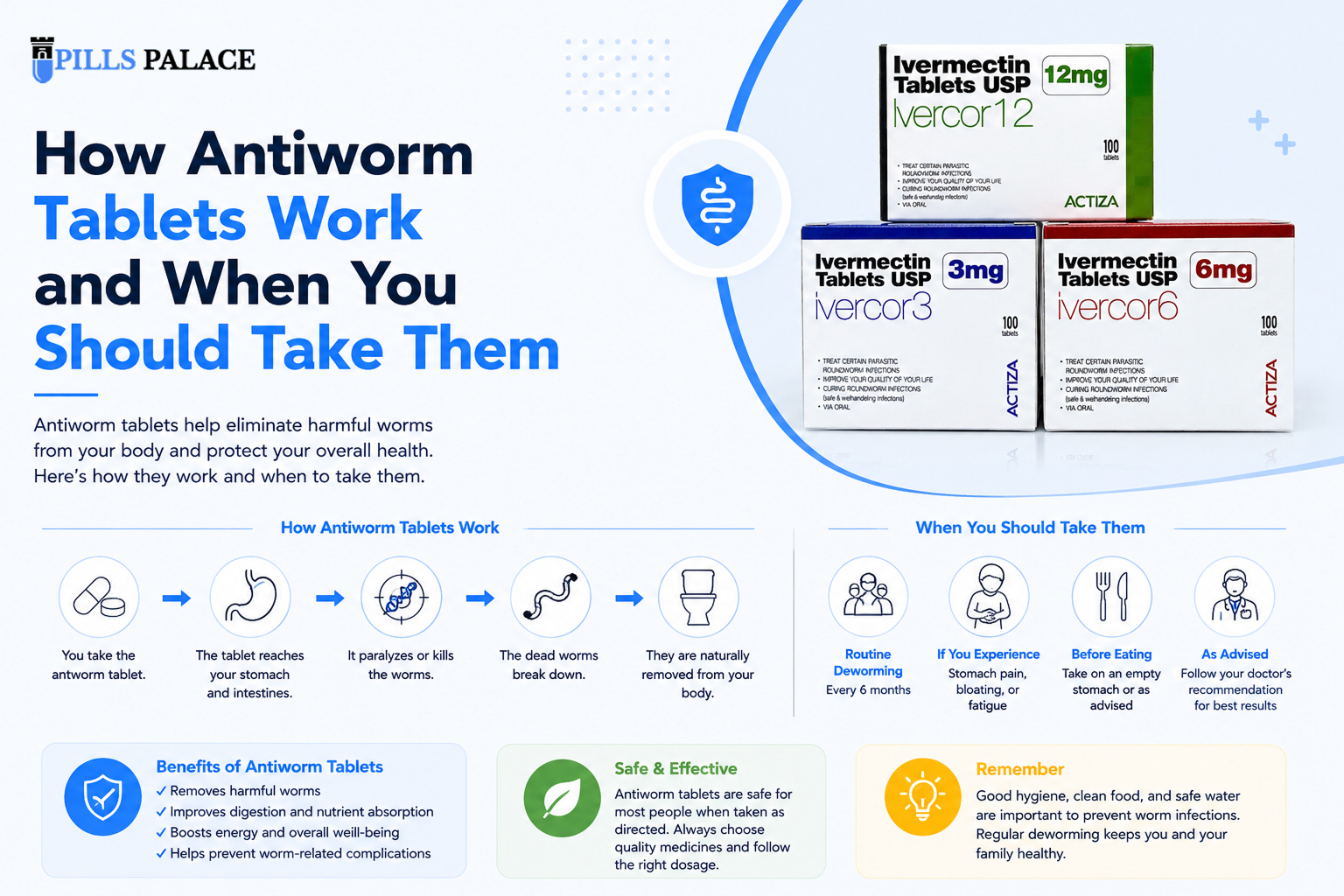
How Antiworm Tablets Work and When You Should Take Them
Worm infestations are a common problem that can affect people of all ages, especially in areas with poor sanitation and hygiene. Antiworm tablets are a popular treatment option for getting rid of intestinal worms, but how do they work and when should you take them? In this article, we’ll delve into the mechanism of action of antiworm tablets, their benefits, and the best time to take them to effectively treat worm infestations.
What are Antiworm Tablets?
Antiworm tablets, also known as anthelmintic tablets, are medications that are specifically designed to treat worm infestations. They work by targeting the worms that live in the intestines, such as roundworms, hookworms, and tapeworms, and either killing them or paralyzing them so that they can be easily eliminated from the body.
How Do Antiworm Tablets Work?
Antiworm tablets contain active ingredients that are toxic to worms, but safe for humans. When you take an antiworm tablet, the active ingredient is absorbed into your bloodstream and then travels to the intestines, where the worms live. The active ingredient then attacks the worms, either by:
- Killing the worms: Some antiworm tablets contain ingredients that kill the worms outright, such as albendazole or mebendazole. These ingredients work by disrupting the worm’s cell membrane, causing it to die.
- Paralyzing the worms: Other antiworm tablets contain ingredients that paralyze the worms, such as ivermectin or pyrantel. These ingredients work by blocking the worm’s nerve signals, causing it to become paralyzed and eventually die.
Once the worms are killed or paralyzed, they are eliminated from the body through the feces.
Benefits of Antiworm Tablets
Antiworm tablets are an effective and convenient treatment option for worm infestations. Some of the benefits of antiworm tablets include:
- Quick and easy treatment: Antiworm tablets are typically taken in a single dose or over a short period of time, making them a quick and easy treatment option.
- High success rate: Antiworm tablets have a high success rate in treating worm infestations, with most people experiencing complete relief from symptoms after treatment.
- Safe and well-tolerated: Antiworm tablets are generally safe and well-tolerated, with few side effects reported.
When to Take Antiworm Tablets
Antiworm tablets are typically taken when you have a confirmed worm infestation or when you are at risk of getting one. Some common scenarios where antiworm tablets may be prescribed or recommended include:
- Diagnosed worm infestation: If you have been diagnosed with a worm infestation, your doctor may prescribe antiworm tablets to treat the infection.
- Travel to high-risk areas: If you are traveling to areas where worm infestations are common, such as tropical or subtropical regions, you may be advised to take antiworm tablets as a precautionary measure.
- Exposure to contaminated food or water: If you have been exposed to contaminated food or water, you may be at risk of getting a worm infestation and may be advised to take antiworm tablets as a preventive measure.
Precautions and Side Effects
While antiworm tablets are generally safe and well-tolerated, there are some precautions and side effects to be aware of. Some common side effects of antiworm tablets include:
- Nausea and vomiting
- Diarrhea or abdominal pain
- Dizziness or headache
It’s also important to note that antiworm tablets may not be suitable for everyone, such as:
- Pregnant or breastfeeding women
- People with certain medical conditions, such as liver or kidney disease
- People taking certain medications, such as blood thinners or immunosuppressants
Conclusion
Antiworm tablets are an effective and convenient treatment option for worm infestations. By understanding how they work and when to take them, you can effectively treat worm infestations and prevent future occurrences. If you suspect you have a worm infestation or are at risk of getting one, consult with your doctor or healthcare provider to determine the best course of treatment.
Best ED Medicine for Men

Sildamax 100mg
Fildena 100 purple pill
Buy vidalista 20mg
Vidalista black 80 mg
FAQs
Here are some frequently asked questions about antiworm tablets:
- Q: How long does it take for antiworm tablets to work? A: The time it takes for antiworm tablets to work can vary depending on the type of worm infestation and the medication used. Typically, symptoms can start to improve within a few days of treatment.
- Q: Can I take antiworm tablets if I’m pregnant or breastfeeding? A: It’s generally not recommended to take antiworm tablets if you’re pregnant or breastfeeding, as the medication may pose a risk to the fetus or baby. Consult with your doctor or healthcare provider for advice.
- Q: How can I prevent worm infestations? A: To prevent worm infestations, practice good hygiene, such as washing your hands regularly, especially after using the bathroom or before eating. Avoid eating undercooked or raw meat, and avoid drinking contaminated water.
By following these tips and understanding how antiworm tablets work, you can effectively treat and prevent worm infestations.