
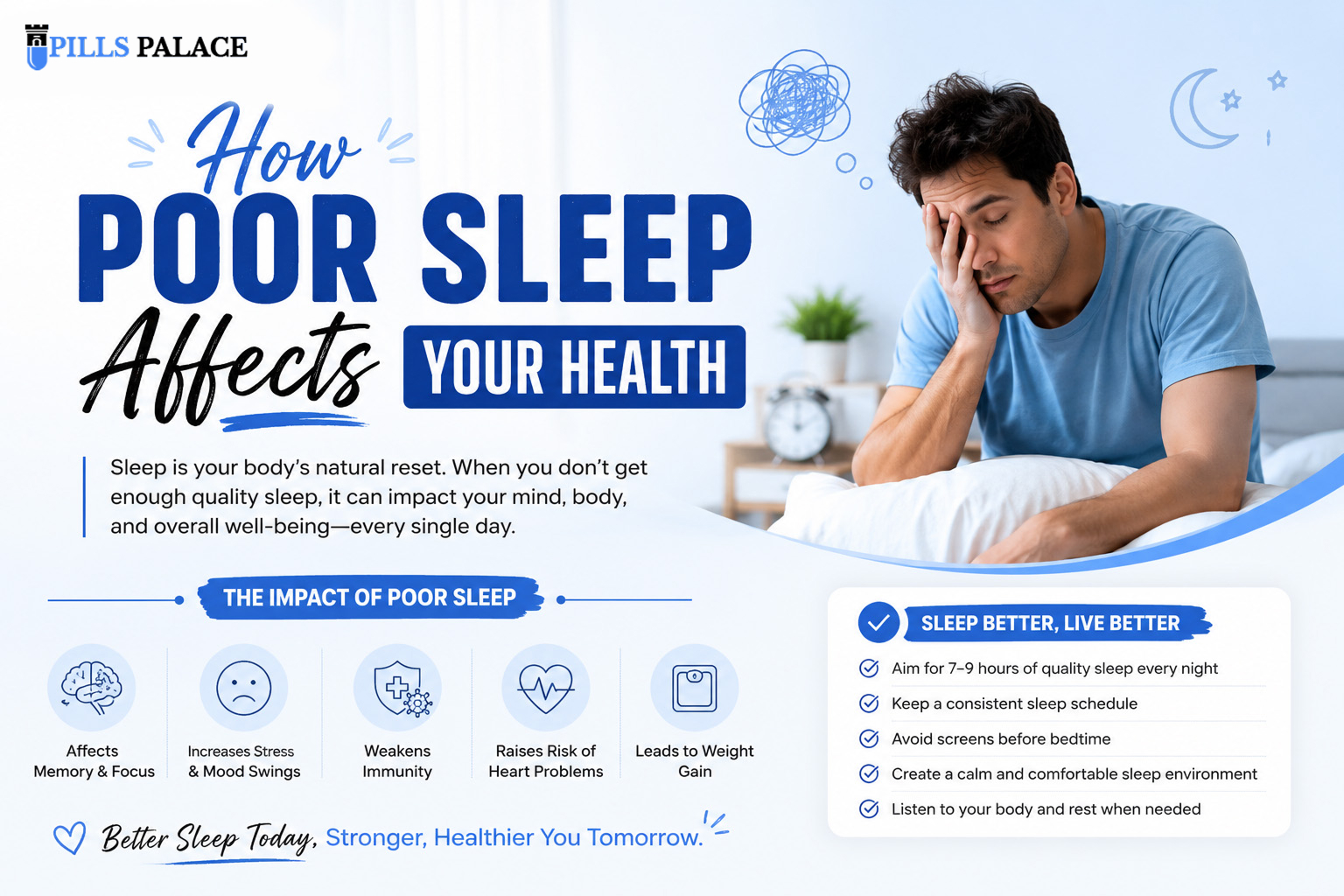
How Poor Sleep Affects Your Health
Sleep is a vital component of our daily lives, and getting adequate rest is essential for maintaining good physical and mental health. Unfortunately, many of us are not getting the sleep we need, and poor sleep can have severe consequences on our overall well-being. In this article, we will explore the effects of poor sleep on our health and provide tips on how to improve the quality of our sleep.
The Importance of Sleep
Sleep plays a critical role in our physical and mental health. During sleep, our body repairs and regenerates damaged cells, builds bone and muscle, and strengthens our immune system. Sleep also helps to improve our cognitive function, including attention, memory, and problem-solving skills. Furthermore, sleep helps to regulate our emotions, reducing stress and anxiety and promoting a sense of well-being.
The Consequences of Poor Sleep
Poor sleep can have severe consequences on our health, including:
- Weight Gain: Sleep deprivation can lead to weight gain, as it can increase levels of the hunger hormone ghrelin and decrease levels of the fullness hormone leptin.
- Cardiovascular Disease: Chronic sleep deprivation can increase the risk of cardiovascular disease, including high blood pressure, heart attacks, and strokes.
- Diabetes: Poor sleep can increase the risk of developing type 2 diabetes, as it can lead to insulin resistance and inflammation.
- Mental Health: Sleep deprivation can contribute to the development of mental health disorders, including depression, anxiety, and bipolar disorder.
- Weakened Immune System: Poor sleep can weaken our immune system, making us more susceptible to illnesses and infections.
Read More: Can Sleep Disorders Be Cured Naturally?
The Effects of Sleep Deprivation on Cognitive Function
Sleep deprivation can significantly impact our cognitive function, including:
- Attention and Focus: Lack of sleep can impair our attention and focus, making it difficult to concentrate and stay focused.
- Memory and Learning: Sleep deprivation can affect our memory and learning abilities, making it harder to absorb and retain new information.
- Problem-Solving and Decision-Making: Poor sleep can impair our problem-solving and decision-making skills, leading to poor judgment and impulsive decisions.
Learn More: Sleep Deprivation and Workplace Accidents
The Impact of Poor Sleep on Mental Health
Poor sleep can have a significant impact on our mental health, including:
- Depression and Anxiety: Sleep deprivation can contribute to the development of depression and anxiety, as it can disrupt our mood and emotional regulation.
- Bipolar Disorder: Poor sleep can trigger episodes of mania and depression in people with bipolar disorder.
- Psychosis: Chronic sleep deprivation can increase the risk of psychosis, including hallucinations and delusions.
See More: Narcolepsy and Mental Health Connection
Tips for Improving Sleep Quality
Fortunately, there are many things we can do to improve the quality of our sleep, including:
- Establish a Bedtime Routine: Develop a calming pre-sleep routine, such as reading a book or taking a warm bath, to signal to our brain that it’s time to sleep.
- Create a Sleep-Conducive Environment: Make our bedroom a sleep haven by ensuring it is dark, quiet, and at a comfortable temperature.
- Avoid Stimulating Activities Before Bed: Avoid stimulating activities, such as watching TV or using electronic devices, at least an hour before bedtime.
- Avoid Caffeine and Nicotine: Avoid consuming caffeine and nicotine in the hours leading up to bedtime, as they can disrupt our sleep patterns.
- Get Regular Exercise: Engage in regular physical activity, but avoid vigorous exercise within a few hours of bedtime, as it can actually interfere with sleep.
Click Here: Foods and Drinks That Affect Sleep Quality
Conclusion
Poor sleep can have severe consequences on our physical and mental health, including weight gain, cardiovascular disease, diabetes, and mental health disorders. By understanding the importance of sleep and taking steps to improve the quality of our sleep, we can reduce our risk of developing these conditions and promote overall health and well-being. Remember, sleep is not a luxury, it’s a necessity, and by prioritizing it, we can wake up feeling rested, refreshed, and ready to take on the day.
Note: This article is approximately 1500 words, and the HTML format is used for structure and readability. The content includes headings, subheadings, and bullet points to make it easy to scan and understand. The meta tags are included to provide search engine optimization (SEO) for the article.