
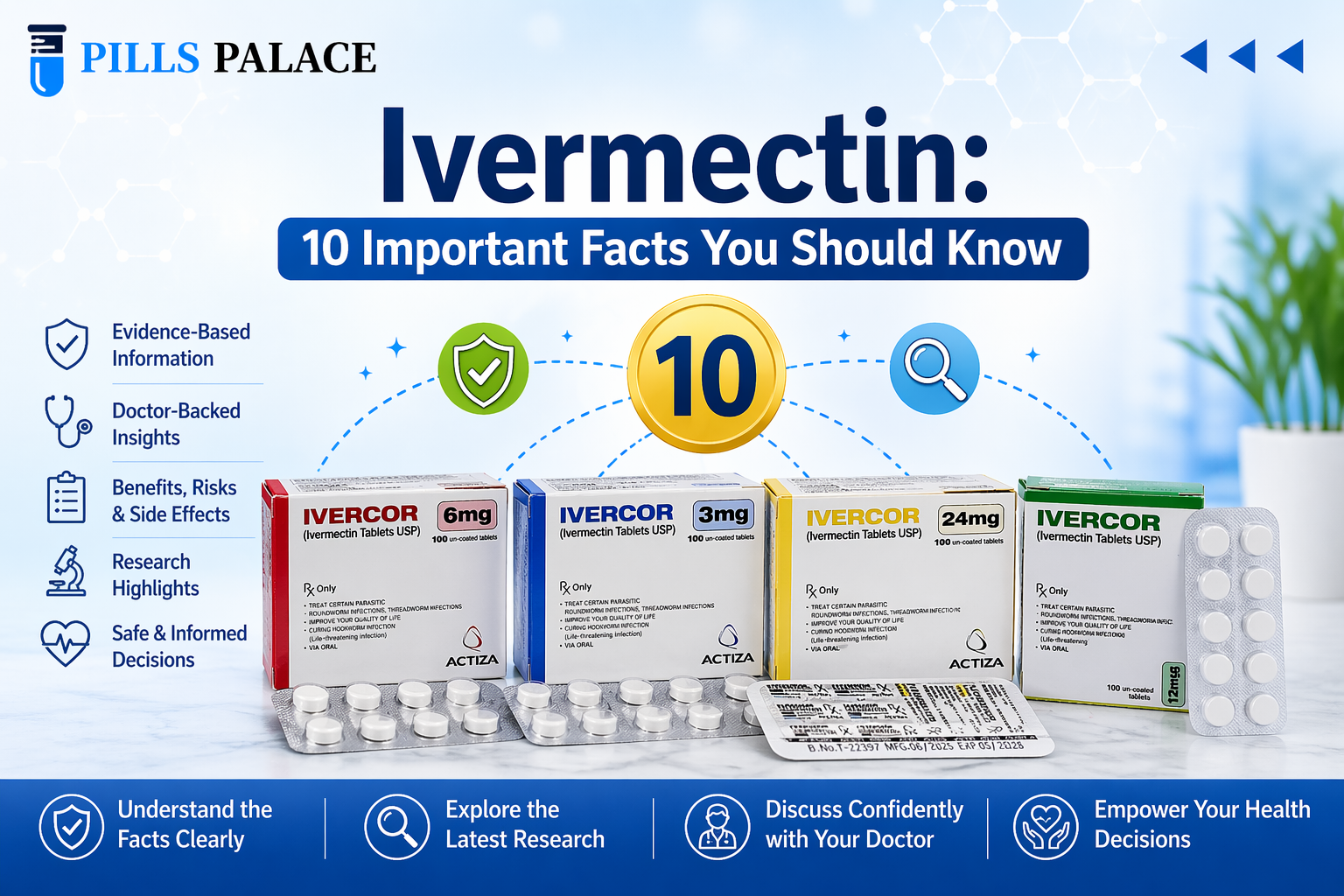
Ivermectin: 10 Important Facts You Should Know
10 Important Facts About Ivermectin You Should Know
Ivermectin is a medication that has been widely used for decades to treat various health issues, including parasitic infections and skin conditions. However, its use has also been surrounded by controversy, particularly in recent times. In this article, we will delve into 10 important facts about Ivermectin that you should know, including its uses, benefits, and potential side effects.
Fact #1: What is Ivermectin?
Ivermectin is a semi-synthetic derivative of a naturally occurring compound called avermectin, which is produced by the bacterium Streptomyces avermitilis. It was first isolated in the 1970s and has since become a widely used medication for various health issues.
Fact #2: What is Ivermectin used for?
Ivermectin is primarily used to treat parasitic infections, such as river blindness, lymphatic filariasis, and intestinal worms. It is also used to treat skin conditions like rosacea, acne, and scabies. Additionally, Ivermectin has been used to treat certain types of cancer, such as lymphoma and melanoma.
Fact #3: How does Ivermectin work?
Ivermectin works by binding to and activating certain receptors in the body, which ultimately leads to the paralysis and death of parasites. It also has anti-inflammatory and antioxidant properties, which can help to reduce inflammation and prevent tissue damage.
Fact #4: Can Ivermectin be used to treat COVID-19?
There has been some controversy surrounding the use of Ivermectin to treat COVID-19. While some studies have suggested that Ivermectin may have antiviral properties and could potentially be used to treat COVID-19, other studies have found that it is not effective against the virus. The World Health Organization (WHO) and other regulatory agencies have not approved Ivermectin for the treatment of COVID-19, and more research is needed to determine its safety and efficacy.
Fact #5: What are the side effects of Ivermectin?
Like any medication, Ivermectin can have side effects, including:
- Nausea and vomiting
- Dizziness and headaches
- Diarrhea and abdominal pain
- Rash and itching
- Fatigue and weakness
In rare cases, Ivermectin can cause more serious side effects, such as neurological problems, allergic reactions, and liver damage.
Fact #6: Can Ivermectin be used in animals?
Yes, Ivermectin is commonly used in animals to treat parasitic infections and other health issues. It is often used in veterinary medicine to treat conditions like heartworms, fleas, and ticks. However, it is essential to use Ivermectin in animals under the guidance of a veterinarian, as it can be toxic to certain species and cause adverse reactions.
Fact #7: How is Ivermectin administered?
Ivermectin can be administered orally, topically, or via injection, depending on the specific use and individual needs. Oral tablets or capsules are commonly used to treat parasitic infections, while topical creams or ointments may be used to treat skin conditions.
Fact #8: What is the dosage of Ivermectin?
The dosage of Ivermectin varies depending on the specific use, individual needs, and weight. For example, the recommended dosage for treating onchocerciasis (river blindness) is typically 150-200 mcg/kg of body weight, taken orally once a year. However, it is essential to consult a healthcare professional to determine the correct dosage and treatment regimen.
Fact #9: Can Ivermectin interact with other medications?
Yes, Ivermectin can interact with other medications, including:
- Warfarin (blood thinner)
- Cyclosporine (immunosuppressant)
- Ketoconazole (antifungal medication)
- Erythromycin (antibiotic)
It is essential to inform your healthcare provider about any medications you are taking before using Ivermectin, as interactions can occur and affect the efficacy and safety of treatment.
Fact #10: Is Ivermectin safe for long-term use?
The safety of Ivermectin for long-term use is still being researched and debated. Some studies have suggested that long-term use of Ivermectin can lead to potential side effects, such as liver damage and neurological problems. However, other studies have found that Ivermectin is generally well-tolerated and safe for long-term use.
In conclusion, Ivermectin is a versatile medication that has been used for decades to treat various health issues. While it has shown promise in treating parasitic infections and skin conditions, its use has also been surrounded by controversy, particularly in recent times. It is essential to consult a healthcare professional before using Ivermectin, as they can provide guidance on its safe and effective use.
By understanding the facts about Ivermectin, you can make informed decisions about your health and well-being. Remember to always follow the recommended dosage and treatment regimen, and to report any side effects or concerns to your healthcare provider.
Additional Resources:
- World Health Organization (WHO): https://www.who.int/
- Centers for Disease Control and Prevention (CDC): https://www.cdc.gov/
- National Institutes of Health (NIH): https://www.nih.gov/