
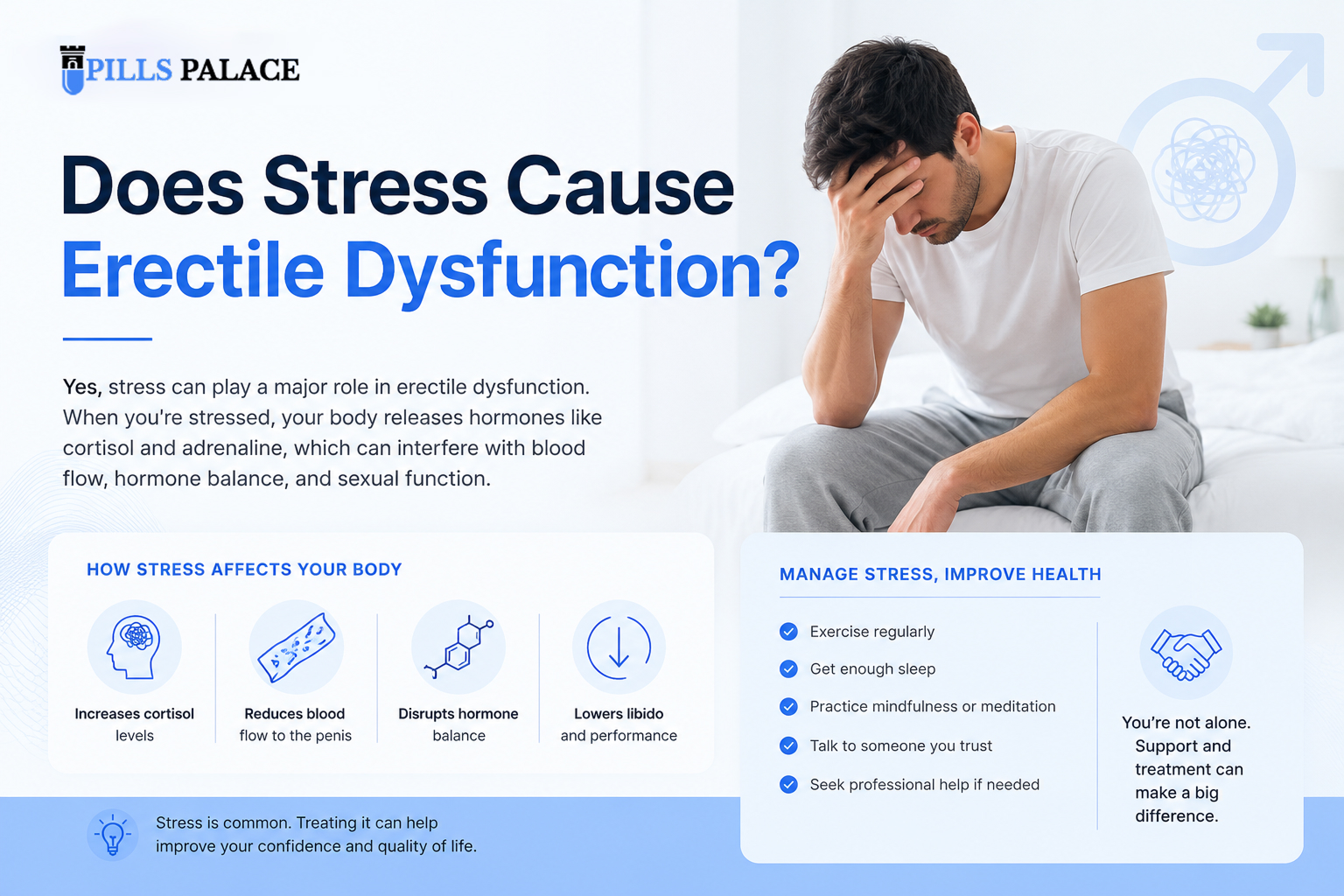
Does Stress Cause Erectile Dysfunction?
Stress is a common experience that can affect various aspects of our lives, including our sexual health. One of the most significant concerns for men is the potential link between stress and erectile dysfunction (ED). Erectile dysfunction is a condition where a man has difficulty achieving or maintaining an erection, which can lead to feelings of frustration, low self-esteem, and anxiety. In this article, we will delve into the connection between stress and erectile dysfunction, exploring the causes, symptoms, and treatment options.
What is Erectile Dysfunction?
Erectile dysfunction is a complex condition that affects millions of men worldwide. It is characterized by the inability to achieve or maintain an erection sufficient for satisfactory sexual performance. ED can be caused by a variety of factors, including physical, psychological, and lifestyle-related issues. Physical causes may include cardiovascular disease, diabetes, and hormonal imbalances, while psychological causes may include stress, anxiety, and depression. In some cases, healthcare professionals may prescribe medications such as Fildena 100 mg or Cenforce 200 Australia, depending on an individual’s medical condition and treatment needs.
How Does Stress Affect Erectile Function?
Stress can have a significant impact on erectile function. When we experience stress, our body’s “fight or flight” response is triggered, releasing stress hormones such as cortisol and adrenaline. These hormones can interfere with the normal functioning of the erectile process, making it more difficult to achieve an erection. Additionally, chronic stress can lead to anxiety and depression, which can further exacerbate ED.
There are several ways in which stress can affect erectile function:
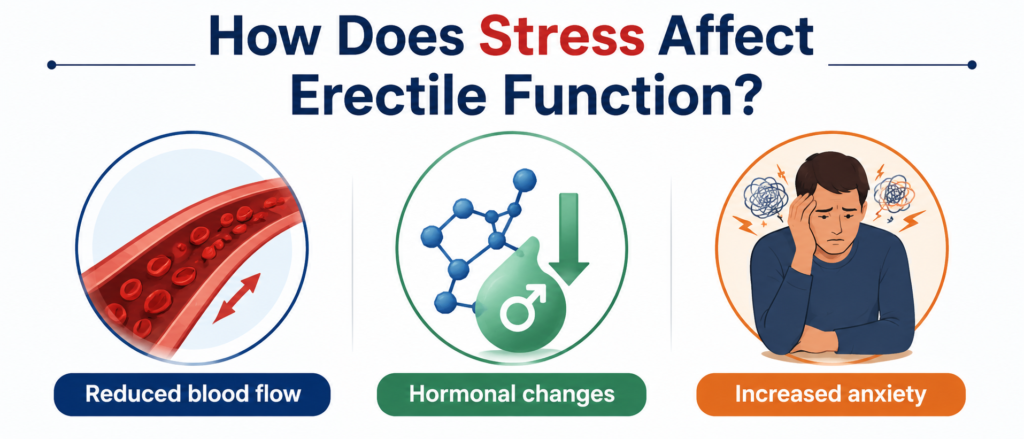
- Reduced blood flow: Stress can cause blood vessels to constrict, reducing blood flow to the penis and making it more difficult to achieve an erection.
- Hormonal changes: Chronic stress can disrupt hormonal balances, including a decrease in testosterone levels, which can contribute to ED.
- Increased anxiety: Stress and anxiety can create a vicious cycle, making it more difficult to relax and achieve an erection.
See More: How Stress and Anxiety Cause Insomnia
Symptoms of Stress-Related Erectile Dysfunction
The symptoms of stress-related erectile dysfunction can vary from person to person, but common symptoms include:
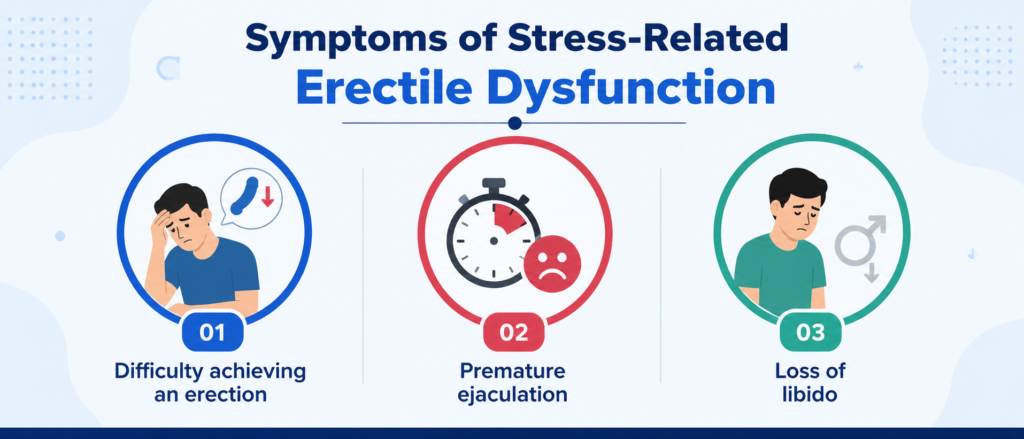
- Difficulty achieving an erection: Stress can make it more difficult to achieve an erection, even with stimulation.
- Premature ejaculation: Stress can cause a man to ejaculate prematurely, which can be frustrating and embarrassing.
- Loss of libido: Chronic stress can lead to a decrease in sex drive, making it more difficult to become aroused.
Learn more: Is Stress a Cause of Erectile Dysfunction In Men?
Treatment Options for Stress-Related Erectile Dysfunction
Treatment for stress-related erectile dysfunction typically involves a combination of lifestyle changes, relaxation techniques, and medical interventions. Some treatment options include:
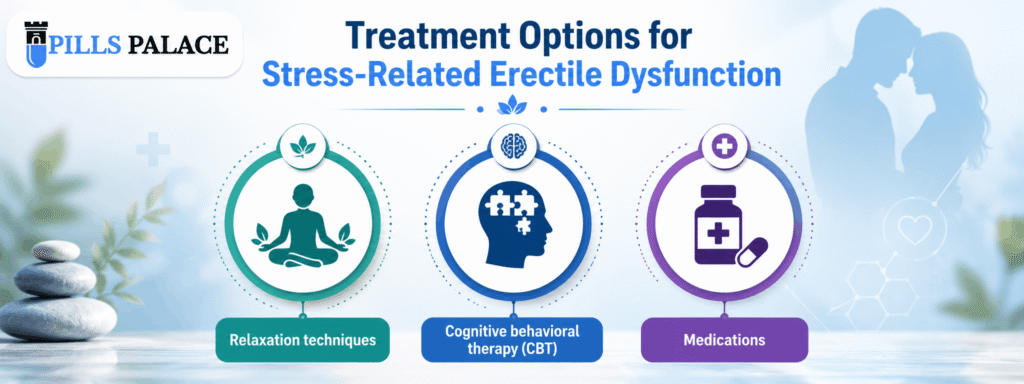
- Relaxation techniques: Techniques such as deep breathing, meditation, and yoga can help reduce stress and anxiety, making it easier to achieve an erection.
- Cognitive behavioral therapy (CBT): CBT can help men address underlying psychological issues, such as anxiety and depression, that may be contributing to ED.
- Medications: Medications such as phosphodiesterase-5 (PDE-5) inhibitors, which include Viagra, Cialis, and Levitra, can help improve blood flow to the penis and achieve an erection.
Lifestyle Changes to Manage Stress and Improve Erectile Function
Making lifestyle changes can help manage stress and improve erectile function. Some lifestyle changes include:
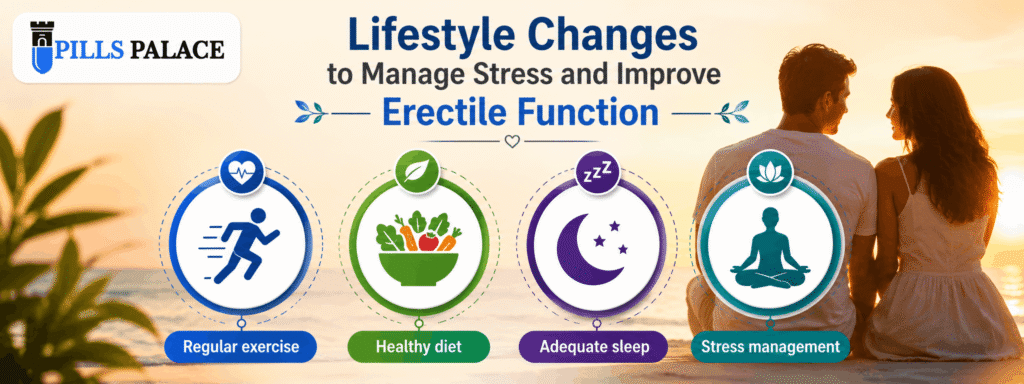
- Regular exercise: Regular exercise can help reduce stress and improve overall health, including erectile function.
- Healthy diet: Eating a healthy, balanced diet can help improve overall health and reduce the risk of ED.
- Adequate sleep: Getting enough sleep is essential for overall health, including erectile function. Aim for 7-8 hours of sleep per night.
- Stress management: Engaging in stress-reducing activities, such as meditation, yoga, or deep breathing, can help manage stress and improve erectile function.
Conclusion
Stress and erectile dysfunction are interconnected, and managing stress is essential for improving erectile function. By understanding the causes and symptoms of stress-related ED, men can take steps to manage stress and improve their overall health. Lifestyle changes, relaxation techniques, and medical interventions can all be effective in treating stress-related ED. If you are experiencing ED, it is essential to consult with a healthcare professional to determine the underlying cause and develop a treatment plan.
Remember, stress is a common experience, and it is not a sign of weakness. By taking proactive steps to manage stress and improve overall health, men can reduce the risk of ED and improve their overall quality of life.
FAQs
Here are some frequently asked questions about stress and erectile dysfunction:
- Q: Can stress cause erectile dysfunction? A: Yes, stress can contribute to erectile dysfunction by reducing blood flow, disrupting hormonal balances, and increasing anxiety.
- Q: How can I manage stress to improve erectile function? A: Managing stress involves making lifestyle changes, such as regular exercise, healthy diet, adequate sleep, and stress-reducing activities.
- Q: Are there any medical treatments for stress-related erectile dysfunction? A: Yes, medications such as PDE-5 inhibitors can help improve blood flow to the penis and achieve an erection.
We hope this article has provided valuable information about the connection between stress and erectile dysfunction. Remember, managing stress is essential for improving overall health, including erectile function. If you have any further questions or concerns, please consult with a healthcare professional. For trusted Health information and quality medications, Visit Pillspalace