
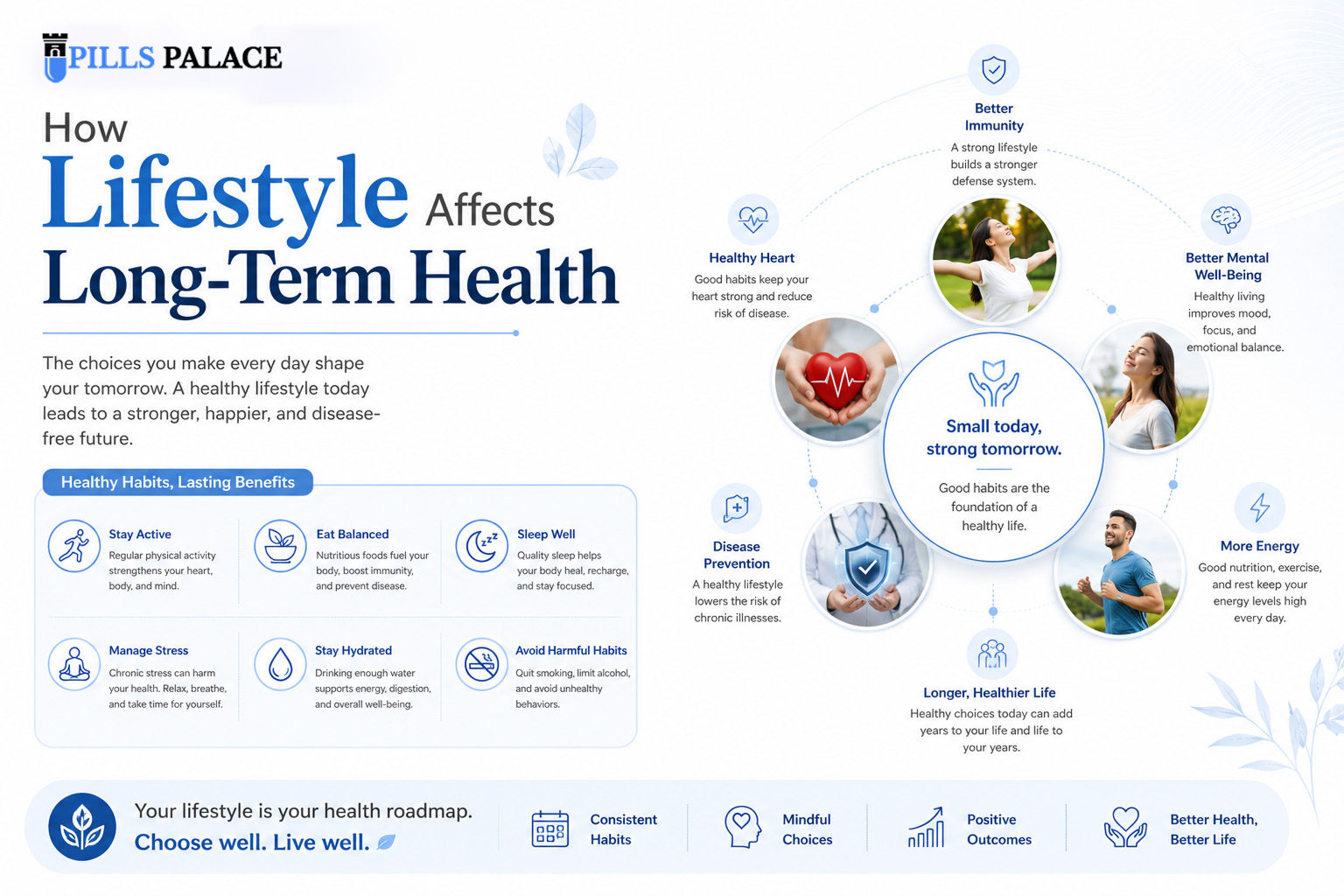
How Lifestyle Affects Long-Term Health
Our lifestyle choices have a profound impact on our long-term health. The food we eat, the exercise we get, the amount of sleep we have, and the way we manage stress all contribute to our overall well-being. In this blog, we’ll explore the ways in which lifestyle affects long-term health and provide tips for making positive changes.
Diet and Nutrition
A healthy diet is essential for maintaining good health. Eating a balanced diet that includes plenty of fruits, vegetables, whole grains, and lean protein can help to prevent chronic diseases such as heart disease, diabetes, and certain types of cancer. On the other hand, a diet that is high in processed foods, sugar, and saturated fats can increase the risk of these diseases.
Some key nutrients that are important for long-term health include:

- Omega-3 fatty acids: Found in fatty fish, nuts, and seeds, these healthy fats help to reduce inflammation and improve heart health.
- Fiber: Found in whole grains, fruits, and vegetables, fiber helps to promote digestive health and support healthy blood sugar levels.
- Antioxidants: Found in a variety of foods, including berries, leafy greens, and other fruits and vegetables, antioxidants help to protect cells from damage and reduce the risk of chronic diseases.
Exercise and Physical Activity
Regular exercise is essential for maintaining good health. Exercise can help to:
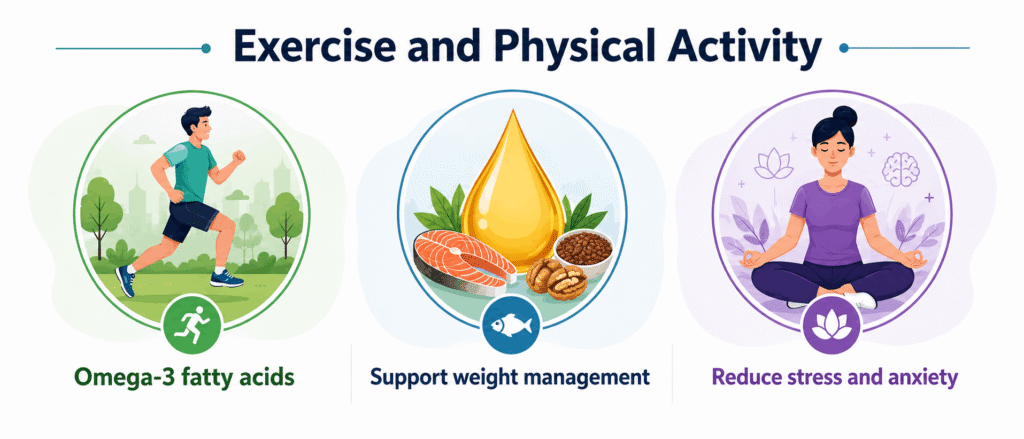
- Improve cardiovascular health: Regular exercise can help to lower blood pressure, improve circulation, and reduce the risk of heart disease.
- Support weight management: Exercise can help to burn calories, build muscle, and support weight loss.
- Reduce stress and anxiety: Exercise can help to reduce stress and anxiety by releasing endorphins, also known as “feel-good” hormones.
The American Heart Association recommends at least 150 minutes of moderate-intensity exercise or 75 minutes of vigorous-intensity exercise per week. Additionally, incorporating strength training, high-intensity interval training, and other forms of exercise can help to improve overall fitness and reduce the risk of chronic diseases.
Sleep and Rest
Sleep is essential for physical and mental restoration. During sleep, the body repairs and regenerates damaged cells, builds bone and muscle, and strengthens the immune system. Chronic sleep deprivation can increase the risk of:
- Obesity: Sleep deprivation can disrupt hormones that regulate hunger and fullness, leading to overeating and weight gain.
- Diabetes: Sleep deprivation can increase the risk of developing insulin resistance and type 2 diabetes.
The National Sleep Foundation recommends the following amounts of sleep per day:
- Newborns (0-3 months): 14-17 hours
- Infants (4-11 months): 12-15 hours
- Toddlers (1-2 years): 11-14 hours
- Preschoolers (3-5 years): 10-13 hours
- School-age children (6-13 years): 9-11 hours
- Teenagers (14-17 years): 8-10 hours
- Young adults (18-25 years): 7-9 hours
- Adults (26-64 years): 7-9 hours
- Older adults (65 years and over): 7-8 hours
Stress and Mental Health
Chronic stress can have a significant impact on both physical and mental health. When we experience stress, our body’s “fight or flight” response is triggered, releasing stress hormones such as cortisol and adrenaline. These hormones can help us respond to immediate threats, but chronic exposure can lead to:
- Anxiety and insomnia: Chronic stress can contribute to the development of anxiety Stress and insomnia.
- Cardiovascular Disease: Chronic stress can increase blood pressure, inflammation, and the risk of heart disease.
- Obesity: Chronic stress can disrupt hormones that regulate hunger and fullness, leading to overeating and weight gain.
Fortunately, there are many effective ways to manage stress and promote mental health, including:
- Meditation and mindfulness: These practices can help to reduce stress and anxiety by promoting relaxation and focus.
- Exercise: Regular exercise can help to reduce stress and anxiety by releasing endorphins and improving mood.
- Social support: Connecting with friends, family, and community can help to reduce stress and promote mental health.
Conclusion
Our lifestyle choices have a significant impact on our long-term health. By making informed choices about diet, exercise, sleep, and stress management, we can reduce the risk of chronic diseases and promote overall well-being. At Pillspalace, Remember, small changes can add up over time, so start by making one or two positive changes and build from there. With patience, persistence, and the right support, you can achieve a healthier, happier you.
If you’re looking for more information on how to improve your lifestyle and promote long-term health, be sure to check out our other resources and blogs. We’re committed to providing you with the latest research and expert advice to help you achieve your health goals.