
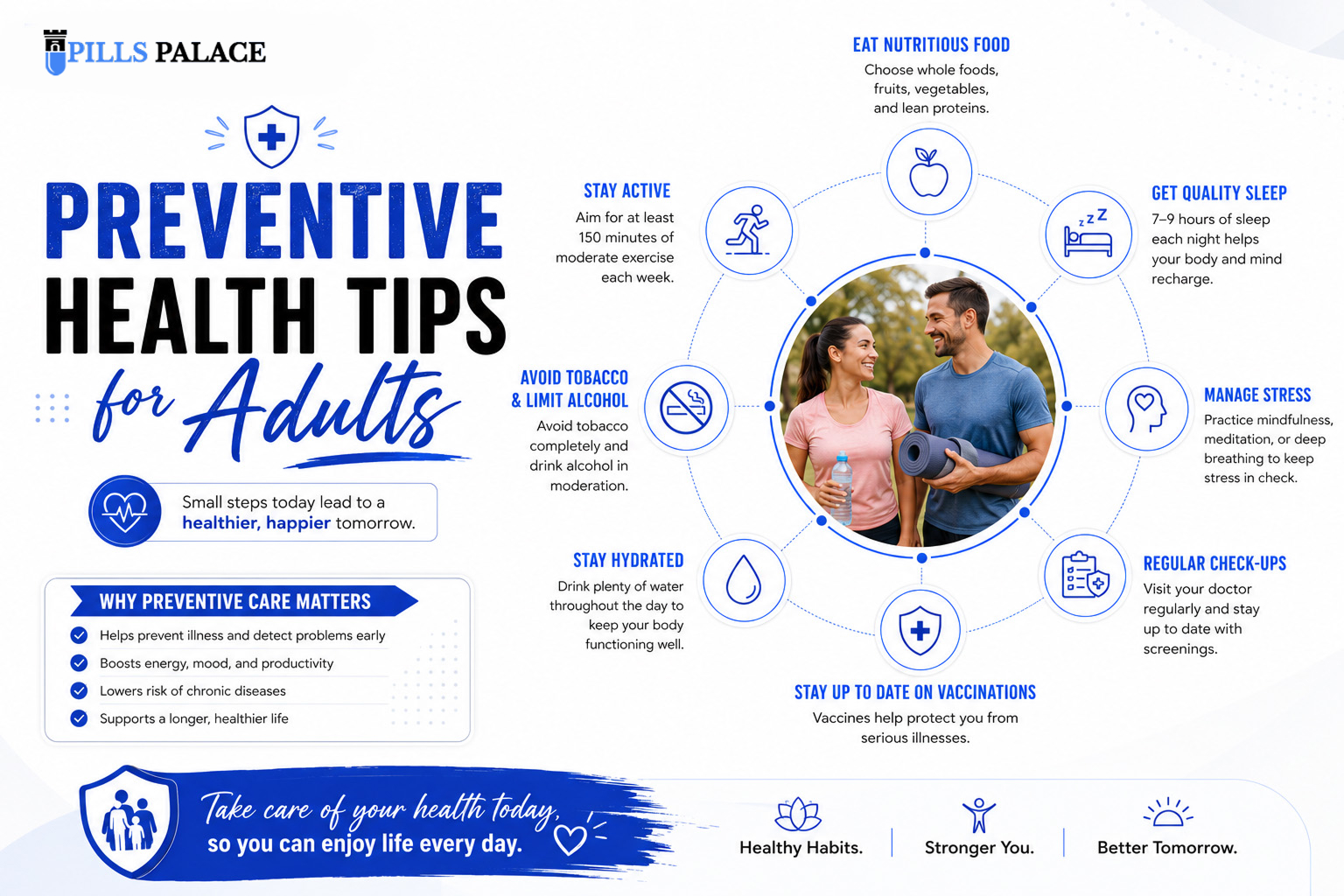
Preventive Health Tips for Adults
As adults, we often get caught up in our busy lives and neglect our health. However, preventive health is crucial for maintaining a healthy lifestyle and reducing the risk of chronic diseases. In this article, we will discuss the importance of preventive health for adults and provide valuable tips to help you stay healthy and thrive.
Why is Preventive Health Important for Adults?
Preventive health is essential for adults because it helps to:
- Reduce the risk of chronic diseases such as heart disease, diabetes, and cancer
- Improve overall health and well-being
- Increase energy levels and productivity
- Enhance mental health and reduce stress
- Support healthy aging and reduce the risk of age-related diseases
Preventive Health Tips for Adults
1. Get Regular Check-Ups
Schedule regular check-ups with your healthcare provider to monitor your health and catch any potential issues early. This includes:
- Annual physical exams
- Regular blood pressure and cholesterol checks
- Cancer screenings (e.g. mammograms, colonoscopies)
- Immunizations (e.g. flu shots, HPV vaccine)
2. Eat a Healthy Diet
A healthy diet is essential for maintaining overall health and well-being. Focus on:
- Eating a variety of fruits and vegetables
- Incorporating whole grains and lean proteins into your meals
- Limiting sugary drinks and saturated fats
- Staying hydrated by drinking plenty of water
See More: Erectile Dysfunction Plant Based Diet
3. Stay Active
Regular physical activity can help reduce the risk of chronic diseases and improve overall health. Aim for:
- At least 150 minutes of moderate-intensity aerobic exercise per week
- Strength training exercises at least two times per week
- High-intensity interval training (HIIT) for added benefits
- Incorporating physical activity into your daily routine (e.g. taking the stairs, walking to work)
4. Get Enough Sleep
Sleep is essential for physical and mental health. Aim for:
- 7-9 hours of sleep per night
- Establishing a consistent sleep schedule
- Creating a relaxing bedtime routine (e.g. reading, meditation)
- Avoiding screens and electronic devices before bed
5. Manage Stress
Chronic stress can have negative effects on physical and mental health. Try:
- Meditation and mindfulness techniques
- Yoga and tai chi
- Deep breathing exercises
- Journaling and writing down your thoughts and feelings
Read More: Does Stress Cause Erectile Dysfunction?
6. Don’t Smoke
Smoking is a significant risk factor for chronic diseases such as heart disease, lung cancer, and COPD. If you smoke, consider:
- Quitting smoking with the help of a healthcare provider or support group
- Using nicotine replacement therapy (NRT) or prescription medications
- Avoiding secondhand smoke
7. Limit Alcohol Consumption
Excessive alcohol consumption can increase the risk of chronic diseases such as liver disease and certain types of cancer. Try:
- Limiting alcohol intake to moderate levels (e.g. one drink per day for women, two drinks per day for men)
- Avoiding binge drinking and excessive drinking
- Drinking responsibly and never drinking and driving
Click More: Can alcohol cause premature ejaculation?
Additional Preventive Health Tips for Adults
1. Get Enough Vitamin D
Vitamin D is essential for bone health and immune function. Consider:
- Taking a vitamin D supplement, especially during the winter months
- Eating vitamin D-rich foods (e.g. fatty fish, fortified dairy products)
- Spending time outdoors and getting natural sunlight
2. Practice Good Hygiene
Good hygiene is essential for preventing the spread of illnesses. Remember to:
- Wash your hands frequently, especially during cold and flu season
- Cover your mouth and nose when coughing or sneezing
- Avoid touching your eyes, nose, and mouth
3. Stay Up-to-Date on Vaccinations
Vaccinations can help prevent the spread of infectious diseases. Stay up-to-date on:
- Annual flu shots
- HPV vaccine
- Tdap vaccine (tetanus, diphtheria, and pertussis)
- Other recommended vaccinations based on your age, health status, and lifestyle
Conclusion
Preventive health is essential for maintaining a healthy lifestyle and reducing the risk of chronic diseases. By following these tips and prioritizing your health, you can:
- Reduce the risk of chronic diseases
- Improve overall health and well-being
- Increase energy levels and productivity
- Enhance mental health and reduce stress
- Support healthy aging and reduce the risk of age-related diseases
Remember, preventive health is an ongoing process that Requires Commitment and Dedication. By making healthy choices and staying informed, you can take control of your health and thrive. Learn more at pillspalace.